

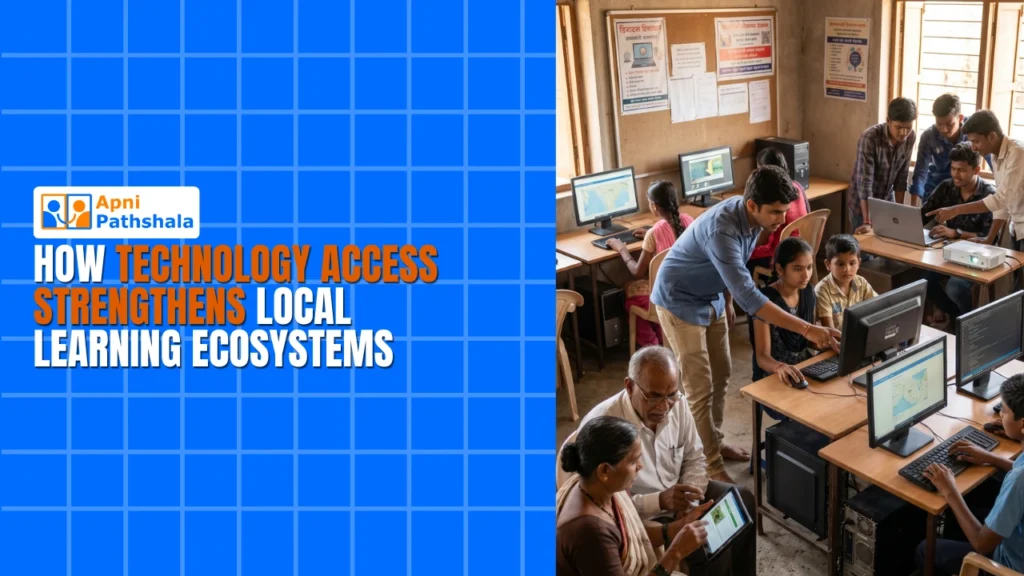
In a village school near Varanasi, a teacher named Rekha did something unusual last year. She did not buy new textbooks. She did not hire extra tutors. She brought four computers into the classroom and let the children use them during the last period of the day. Within a month, the children who had been average students started asking questions that the toppers had never asked. They were searching for information, building simple projects, and showing each other what they discovered.
The school did not change. The teacher did not change. The syllabus did not change. What changed was the tool. When children got access to technology, the entire learning environment shifted. The classroom became a place of exploration, not just memorization.
Technology access in education is not about fancy gadgets or expensive setups. It is about giving students a tool that changes how they interact with knowledge. When that tool enters a local learning ecosystem, the effects ripple outward through the school, the family, and the community.
What a local learning ecosystem Actually Is
A local learning ecosystem is not just the school. It is the combination of the school, the home, the community, and the tools available to the student. When all four work together, the student thrives. When one is missing, the others compensate poorly.
In most Indian villages, the ecosystem is incomplete. The school teaches the textbook. The home provides food and shelter. The community offers social support. But the tools are missing. The student has no way to explore beyond what the teacher provides. The ecosystem is stable but stagnant.
When a computer enters this ecosystem, everything shifts. The student can explore topics the teacher has not covered. The parent sees what the child is learning on the screen. The community starts talking about digital skills. The school notices that students with computer access ask better questions in class.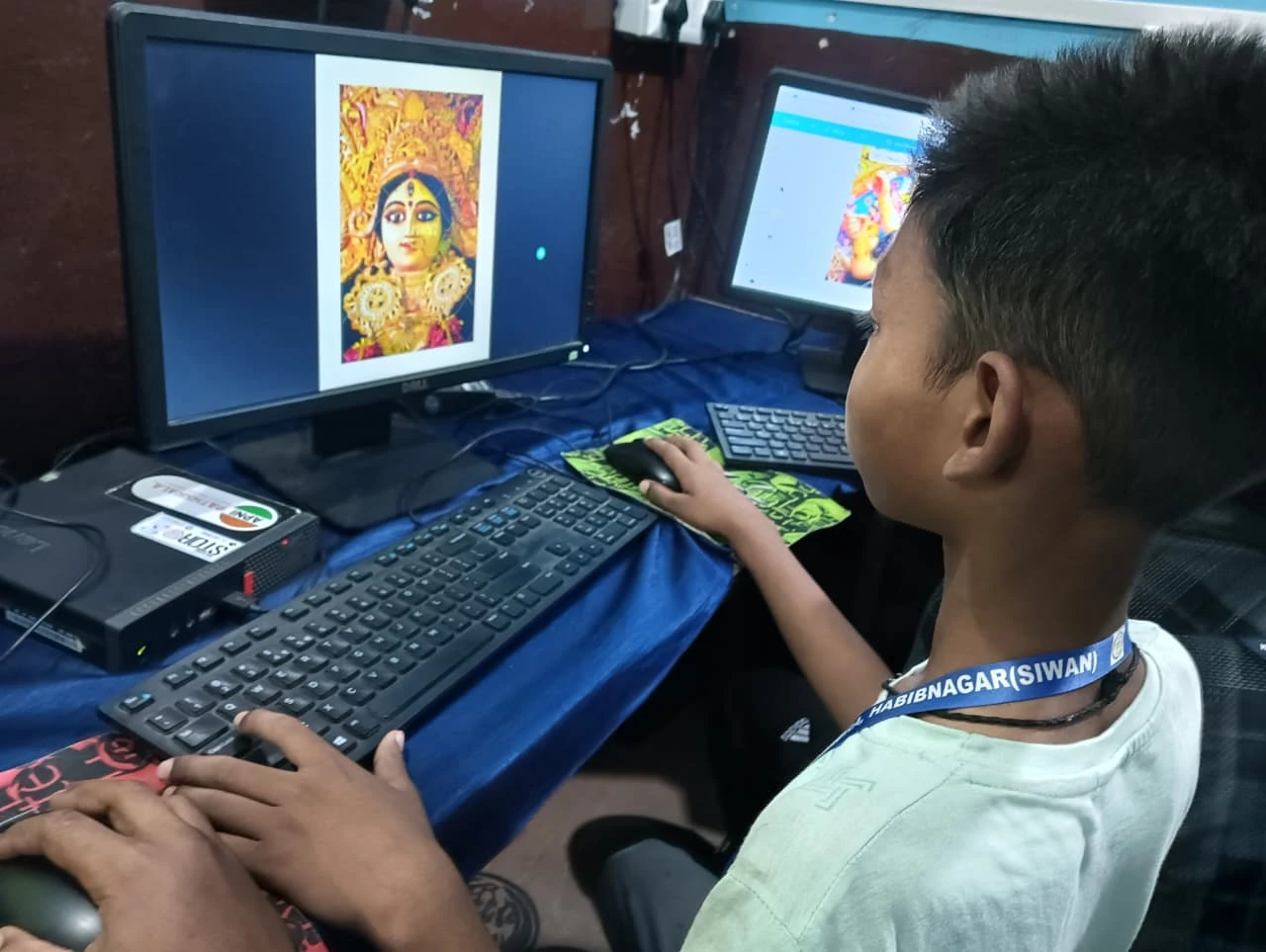
A local learning ecosystem does not need every family to own a computer. It needs a shared resource, a community centre, a school lab, or a neighborhood learning space where students can access technology regularly. The resource does not need to be expensive. It needs to be available.
How Digital Education India Is Changing Villages
Digital education India initiatives have focused heavily on content. Platforms like DIKSHA offer thousands of courses. YouTube has millions of educational videos. Government portals provide free textbooks and worksheets. The content is there. The delivery mechanism is not.
A student in a village with no computer cannot access DIKSHA. A student with a phone can access it but cannot use it effectively. The screen is too small. The keyboard is virtual. The experience is frustrating. The student gives up within a week.
Digital India initiative is pushing for digital infrastructure across India. But infrastructure without devices is like a highway without cars. The road exists. The vehicles do not.
When a village gets a learning centre with computers, the digital education content suddenly becomes useful. The child who could not use DIKSHA on a phone now navigates it easily on a computer screen. The student who could not type a document now creates presentations. The content that was always available is now actually accessible.
The Ripple Effect on the Community
When students in a village start using computers, the community notices. Parents talk about what their children built. Neighbors ask where the learning centre is. Other families want to enroll their children. The demand for digital education grows organically, without any advertising or government campaign.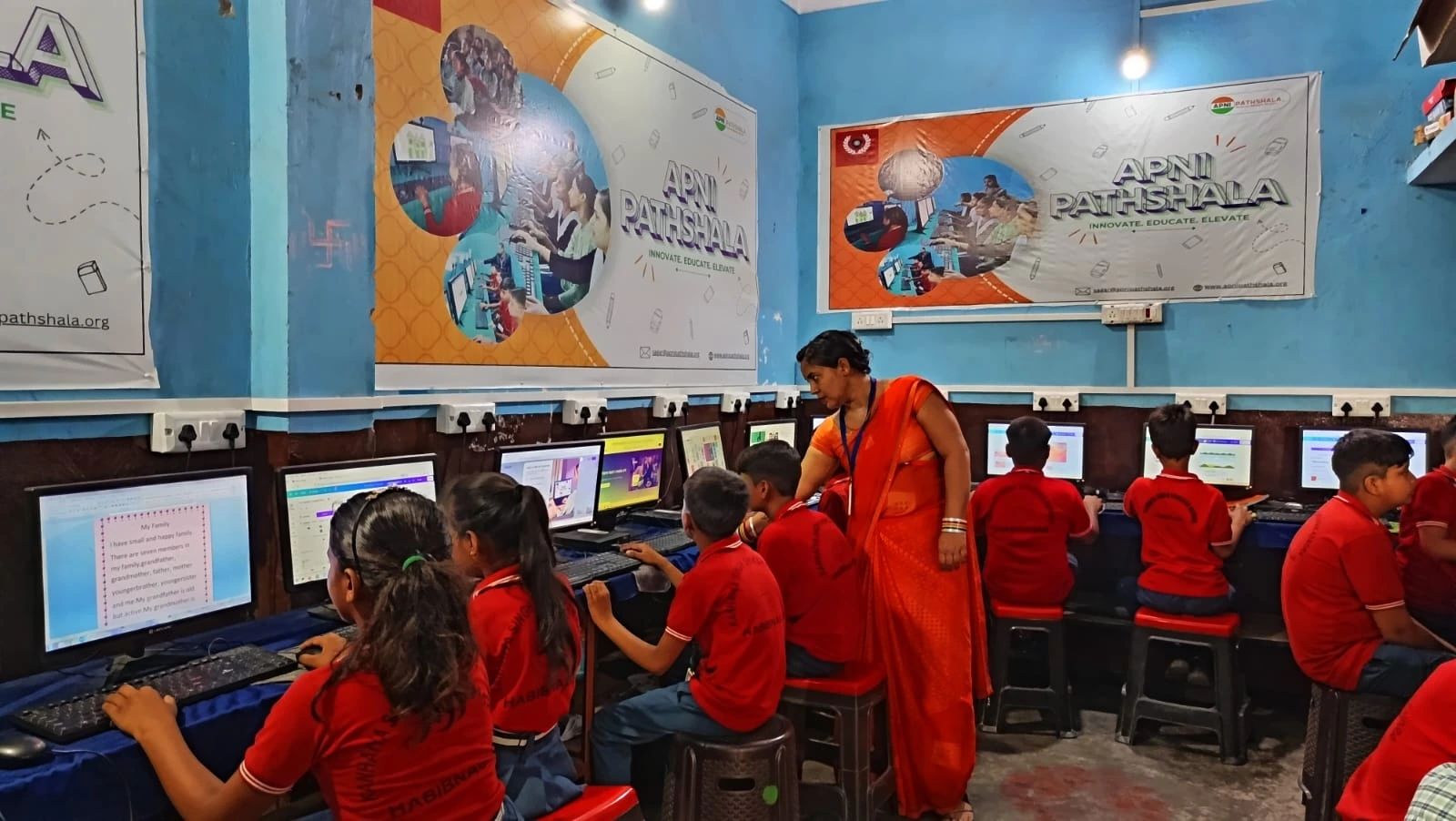
The ripple effect goes beyond education. A community that values digital skills starts valuing technology in other areas too. Local shopkeepers start using digital payments. Farmers start looking up weather forecasts online. Health workers start using apps to track patient data. The computer in the learning centre does not just educate children. It shifts the entire community’s relationship with technology.
What Is Apna PC and How Does It Help Indian Students Learn Better. But more importantly, it helps communities see technology as a tool for everyday life, not just for students.
What It Takes to Build a Local Learning Centre
Building a local learning centre does not require government funding or NGO support. It requires a room, a few computers, and a person willing to run it.
The room can be a community hall, a spare room in someone’s house, or a rented space. It needs electricity and enough room for 4-5 computer stations. That is it.
The computers should be reliable and affordable. Apna PC, priced at ₹21,000 (shipping and GST excluded), is designed for exactly this. It comes complete with a monitor, keyboard, mouse, and CPU, pre-loaded with educational software. A child plugs it in and starts working from day one.
The educator can be a homemaker, a retired teacher, or a young graduate. They do not need a computer science degree. They need to be organized, present, and willing to learn alongside the students.
The Hidden Cost of Not Having a Computer in 2026. But the cost of not having access is higher. A student without a computer enters the workforce digitally illiterate. A community without digital access stays behind while the rest of India moves forward.
DIKSHA, India’s national digital learning platform offers resources that can transform learning in villages. But the resources need a device to reach the student. A computer is the device. Visit apnapc.com to learn more.