


Rajesh’s Struggle: Why Your Child’s Study Desk Matters
Rajesh sat in his Nagpur home, watching his 12-year-old son Arjun struggle with homework scattered across a cluttered desk. Books were piled haphazardly, pencils lay broken on the floor, and a half-eaten snack plate sat next to the keyboard. Arjun spent 45 minutes looking for his math notebook, then another 20 minutes finding a working pen. By the time he started studying, his concentration was already shot. Rajesh realised that study desk organisation wasn’t just about tidiness; it was about his son’s learning success.
If you’re a parent in Tier 2 or Tier 3 cities, you’ve probably seen this same scene in your home. Your child’s study desk is where academic growth happens, yet most of us treat it like a dumping ground. A well-organised study desk directly impacts focus, productivity, and grades. When your child sits down to study, they shouldn’t waste mental energy searching for materials or feeling overwhelmed by clutter.
The Three Zones of an Effective Study Desk
Think of your child’s study desk in three zones: the work zone, the supply zone, and the reference zone. Your work zone is the centre; this is where the actual studying happens. Keep only what your child needs for the current task here: one subject’s notebook, one textbook, and writing materials. Nothing else belongs in this sacred space.
Your supply zone sits to the right or left of the work area. This is where you store pens, pencils, erasers, sharpeners, rulers, and sticky notes. Use a small drawer organiser or desk caddy to keep these items sorted. When your child needs something, they know exactly where to find it without disrupting their study flow.
Your reference zone is behind or above the desk. This includes a dictionary, calculator, reference books, and a wall calendar showing exam dates. Keep these items accessible but not in the immediate work area. Your child can reach them quickly without cluttering their main study space.
Step-by-Step Study Desk Organisation Tips
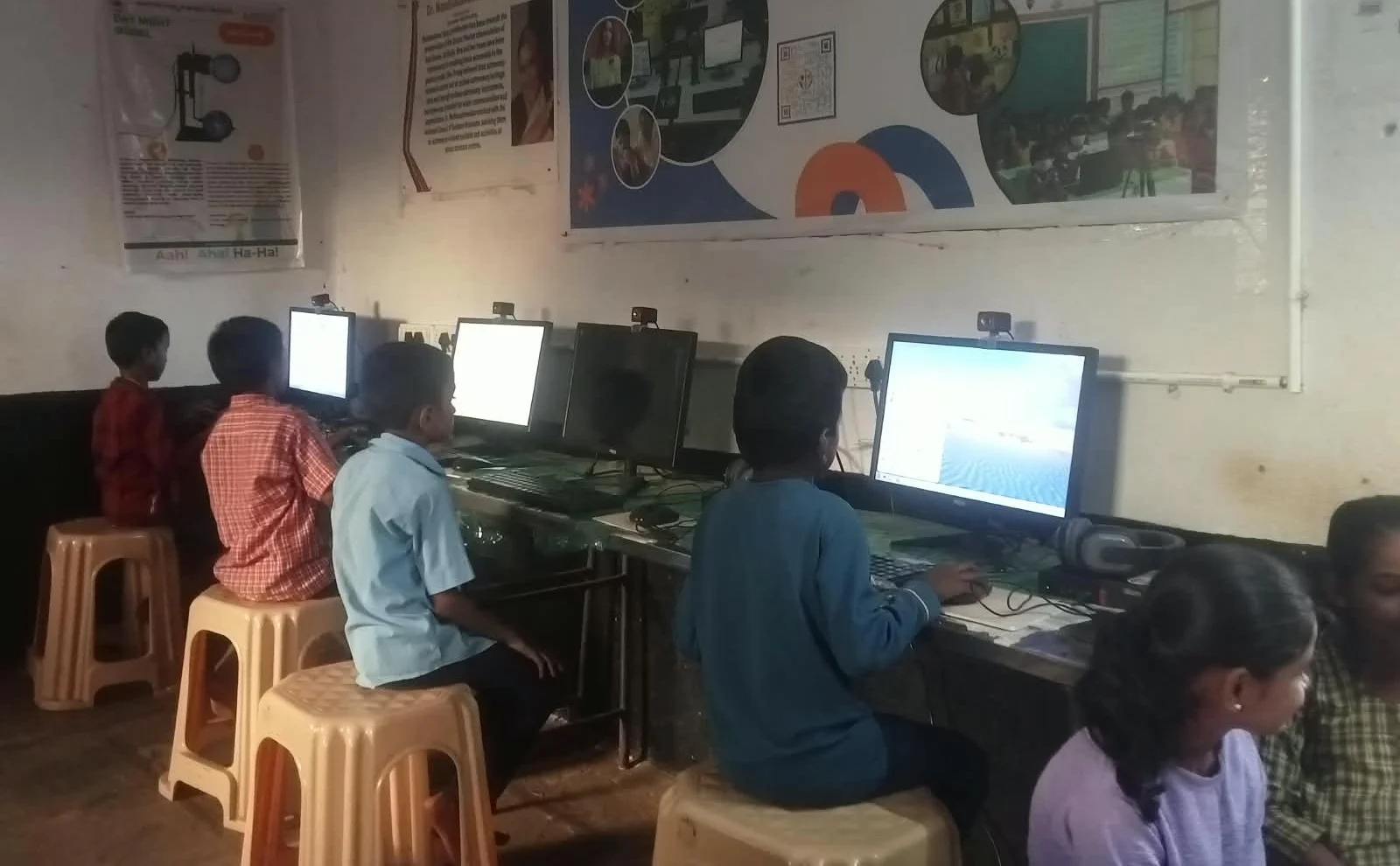
Clear everything first. Take 30 minutes to completely empty your child’s desk. Throw away broken pens, old notes they don’t need, and food wrappers. This fresh start is crucial; you can’t organise a desk you haven’t cleared.
Invest in storage solutions. You don’t need expensive furniture. Simple wooden shelves (₹500-1000), a small filing cabinet (₹1500-2000), or wall-mounted organisers work brilliantly. Many parents in Nagpur, Indore, and Lucknow use stackable plastic boxes from local markets. These cost ₹200-400 each and keep materials dust-free and accessible.
Label everything clearly. Use a label maker or handwritten labels on containers. Your child should know exactly where Math notes go, where Science materials belong, and where art supplies live. This takes five minutes but saves hours of searching.
Create a daily reset routine. Before bed, your child spends three minutes putting materials back in their zones. Put tomorrow’s subject materials in the work zone.
This 180-second habit prevents the desk from becoming chaotic again.
This 180-second habit prevents the desk from becoming chaotic again.
Use vertical space wisely. Don’t just think about your desk surface; think about walls and shelves above. Wall-mounted shelves keep books organised and make the desk feel less cramped. Your child’s study area should feel spacious, not suffocating.
Technology’s Role in Your Child’s Study Setup
A well-organised study desk needs a reliable computer for research, online classes, and digital assignments. Many parents struggle to find affordable technology that’s actually designed for learning. The Apna PC (₹30,000 excluding shipping and GST) solves this problem perfectly.
This educational computer comes pre-loaded with Zorin OS, Apni Prerna for student monitoring, LibreOffice for documents, and Scratch for coding. With 8GB RAM and 128GB SSD, it handles online classes, research projects, and creative work smoothly. Your child won’t experience lag while studying, and you get peace of mind knowing what they’re accessing online.
When you set up your study table setup, position the computer monitor at eye level, about 20 inches away. This prevents neck strain during long study sessions. The keyboard and mouse should be at elbow height. A dedicated homework station with proper computer placement creates an ergonomic learning environment.
Lighting and Environment Matter Too
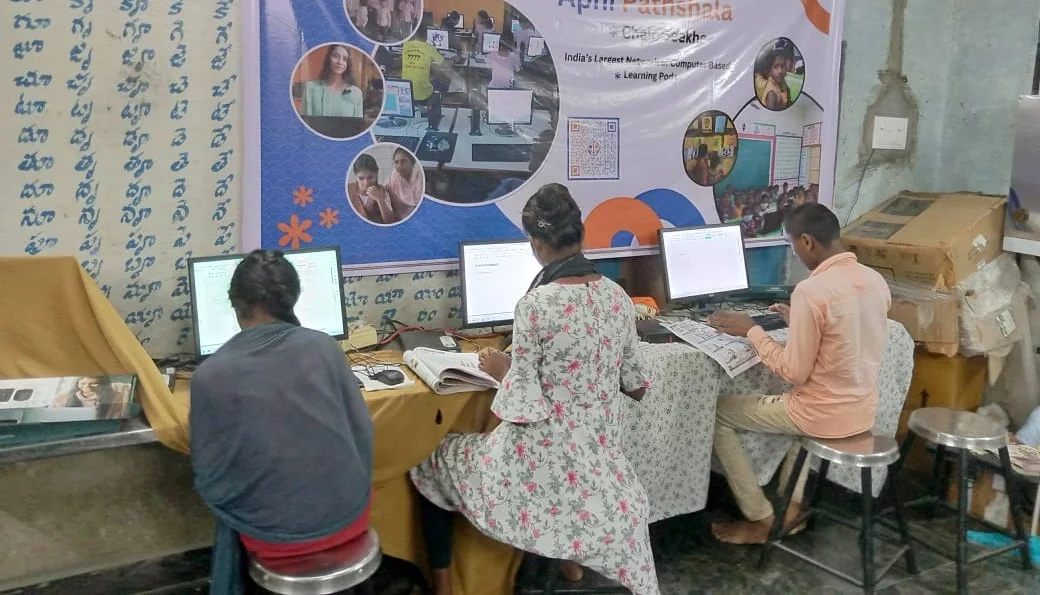
You can’t ignore lighting when organising your child’s study desk. Poor lighting causes eye strain and headaches; your child can’t concentrate when their eyes hurt. Position the desk near a window for natural light during daytime. In the evening, use a 40-60 watt LED lamp positioned to the left (if your child is right-handed) or right (if left-handed).
Keep the study area quiet and away from TV or kitchen noise. Your child’s brain can’t focus on algebra while hearing cooking sounds and family conversations. If noise is unavoidable, consider noise-cancelling earbuds or a white noise machine (₹500-1500 from any electronics shop). According to Education in India, the quality of the study environment significantly impacts student outcomes.
Temperature matters too. Studies show that rooms between 20-22 degrees Celsius are optimal for concentration. In Indian summers, a small desk fan (₹800-1200) positioned away from papers keeps your child comfortable without creating a paper-blowing mess. The Ministry of Education emphasises the importance of conducive learning environments for academic success.
Making Study Desk Organisation a Family Habit
Study desk organisation isn’t a one-time project; it’s an ongoing habit. Involve your child in setting up their desk. When they help organise their space, they take ownership. Ask them where they want the dictionary, how they’d like pens sorted, and what colour labels they prefer.
Check the desk organisation every Sunday evening. Spend 10 minutes together tidying up for the week ahead. This becomes quality time, and your child learns that organisation is normal and necessary.
Remember Rajesh’s son Arjun? After organising his desk and adding a proper study computer, his homework time dropped from 90 minutes to 60 minutes. His grades improved, and he actually started enjoying studying. That’s the power of a well-organised study space.
Your child deserves a study environment that supports their learning, not hinders it. A clean, organised desk with proper lighting, good storage, and reliable technology creates the foundation for academic success. Visit apnapc.com to learn more.