


The Story of Aarav’s Struggle Without a Learning Zone
Aarav sits at the dining table in his Indore home, trying to solve math problems. His younger sister watches cartoons on the TV behind him. His mother’s mixer grinder runs in the kitchen. His father’s phone rings constantly with work calls. By the time Aarav finishes one problem, he’s lost focus three times. His grades have dropped from 85% to 72% in just one semester. His parents don’t understand why he can’t concentrate like he used to. What Aarav really needs is a quiet learning zone at home where he can focus without distractions.
You’re probably seeing the same pattern at home. Your child starts studying, but within minutes, household noise pulls their attention away. They struggle to complete assignments. Their retention suffers. Creating a dedicated study area isn’t a luxury anymore. It’s a necessity for academic success.
Why a Quiet Learning Zone Matters for Your Child’s Focus
Your brain works like a filter. When there’s too much noise and activity around you, your brain uses energy to block out distractions instead of processing what you’re learning. Research on Wikipedia: Learning shows that focused attention is crucial for memory formation and knowledge retention.
A dedicated study space removes these barriers. When your child sits in a dedicated space with minimal interruptions, their brain can direct all its energy toward studying. This isn’t just about silence. It’s about creating an environment where learning becomes the only activity happening.
- Better concentration: Your child finishes assignments faster and with fewer errors.
- Improved retention: Information sticks in memory longer when learned in calm settings.
- Reduced stress: Your child feels more in control and less anxious about studies.
- Higher grades: Consistent focus naturally leads to better academic performance.
- Healthy study habits: Your child develops discipline and learns to value focused work.
In tier 2 and tier 3 cities like yours, space might be limited. But even a small corner of your home can become a powerful study space. What matters is consistency and minimal distractions.
How to Set Up Your Home’s Quiet Study Space
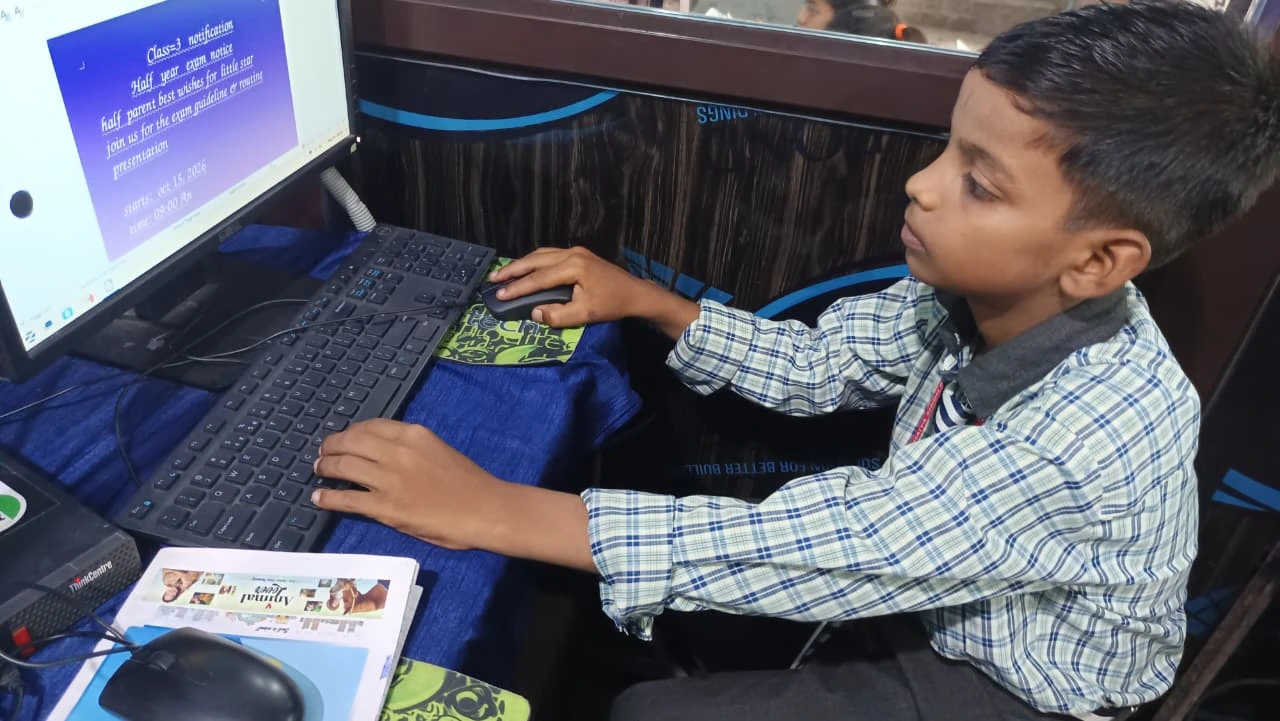
Start simple. Pick a corner away from the main living areas. If possible, choose a spot near a window for natural light. Natural light reduces eye strain and keeps your child alert during study hours.
Next, set boundaries with your family. Let everyone know that during study hours, this space is off-limits for noise-making activities. Your spouse can take calls elsewhere. Younger siblings can play in another room. This shared understanding is the foundation of a successful quiet study space.
Add a small desk and a comfortable chair. Your child will spend hours here, so comfort matters. Poor posture leads to back pain and reduced focus. Invest in a proper setup. Your child’s academic performance depends on it.
Keep the space organised. Books, notebooks, and pens should have designated spots. When your child sits down, they shouldn’t waste time searching for materials. Organisation itself becomes a focus tool.
Lighting is critical. Dim lighting causes eye strain and headaches. Bright, white light keeps your child alert. If natural light isn’t enough, add a desk lamp with cool white bulbs. Many modern computers also have eye-comfort settings that reduce blue light during evening study sessions.
The Role of the Right Tools in Your Learning Zone
Your child’s computer is now as important as their books. If they’re using an old laptop that heats up or freezes during online classes, they can’t focus. Technical issues break concentration and waste precious study time.
Apna PC is built specifically for students like yours. It comes pre-loaded with Zorin OS, a clean operating system without distracting bloatware. Your child opens it and sees only what they need for learning. The 8GB RAM and 128GB SSD mean no lag, no freezing, no frustration.
Apni Prerna, the student monitoring feature, helps you track study progress without invading privacy. You’ll know if your child’s actually studying or just browsing. LibreOffice and Scratch come pre-installed, so your child can start projects immediately without downloading anything.
At just Rs.30,000, Apna PC is an investment in your child’s academic future. When paired with a quiet study space, it becomes unstoppable. Your child has the space and the tools to succeed.
Your child might also benefit from project-based learning approaches that Apna PC supports through Scratch and LibreOffice. These tools make learning interactive and engaging, not just passive reading.
Creating Consistency in Your Learning Zone
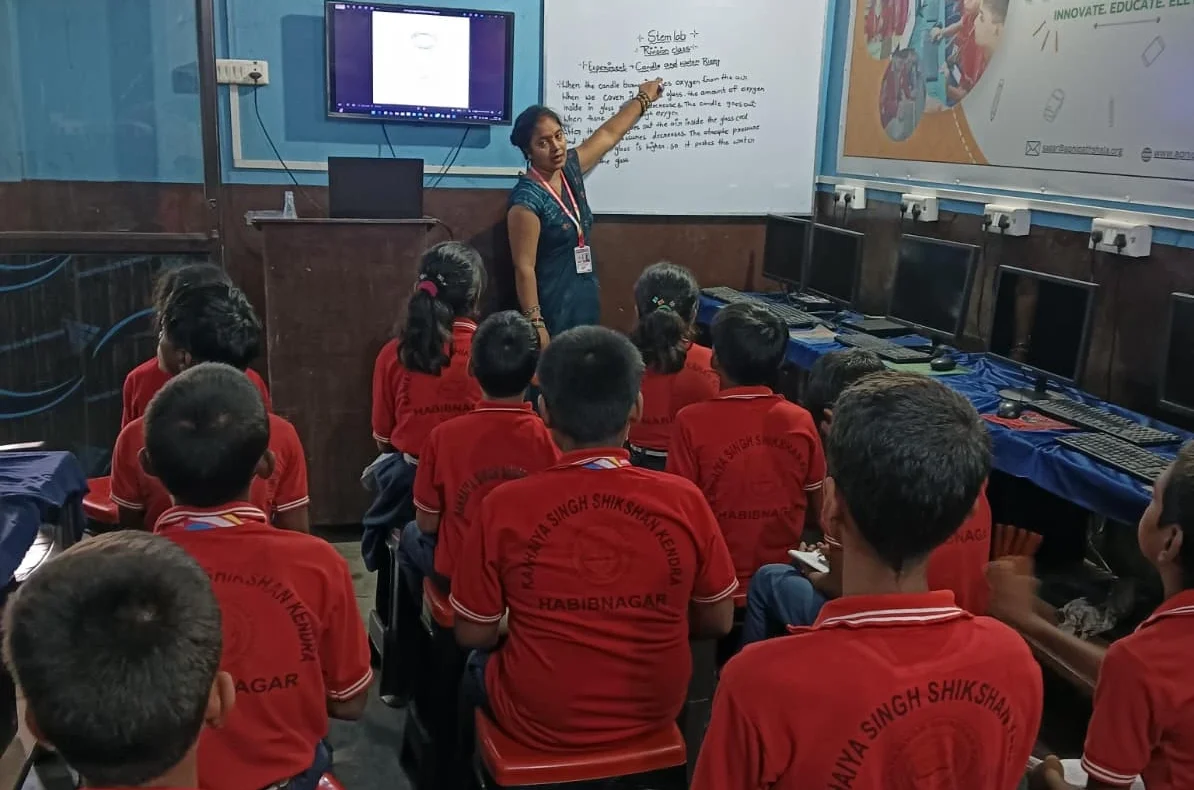
A study space only works if you use it consistently. Set specific study hours every day. Your child’s brain will start associating this space and time with focus and productivity. Habits form through repetition.
Remove phones and tablets from the study area. These devices are designed to grab attention. That’s their job. Your child’s job is to study, not to resist constant notifications. Keep these devices in another room during study hours.
Encourage your child to use the DIKSHA digital learning platform and other educational resources on their Apna PC. When your child knows the computer is for learning, not gaming or social media, they’ll use it more productively.
Make the study space a place your child wants to be. Maybe add a motivational quote on the wall. Maybe keep their favourite healthy snack nearby. Small touches make the space feel personal and inviting.
Your Child’s Future Starts With Focus
Every top student you know has one thing in common: they can focus. They’re not smarter than others. They’ve just learned to control their environment. You can give your child this advantage starting today by creating a quiet study space at home.
Your child deserves a space where their potential can flourish. Pair that space with the right tools like Apna PC, and you’re setting them up for academic excellence. The investment you make now will pay dividends in grades, confidence, and lifelong learning habits. Visit apnapc.com to learn more.