


A Real Story: Why Ritika’s Homework Struggles Ended
Ritika’s mother, Mrs Sharma from Indore, was frustrated. Every evening at 6 PM, her 8-year-old daughter would sit on the living room sofa with her books scattered everywhere. The TV was on, her younger brother played nearby, and Ritika’s pencil stayed untouched for 20 minutes at a time. Mrs Sharma realised her daughter didn’t have a proper study space. She needed a dedicated space where Ritika could focus, learn, and actually complete assignments without distractions.
This is your story too, isn’t it? You want your child to study well, but your home doesn’t have a quiet corner. Your kitchen table becomes the homework desk, and your dining room becomes the classroom. Creating a homework station isn’t about spending thousands of rupees on fancy furniture. It’s about designing a workspace that helps your child concentrate, stay organised, and develop good study habits.
Why Your Child Needs a Dedicated Homework Station
When your child has their own homework setup, their brain recognises it as “study time.” This simple psychology works wonders. Research from UNESCO education research shows that students who study in consistent, dedicated spaces show better focus and retention. Your child won’t waste time looking for pencils or asking where the notebook is. Everything stays in one place.
A proper homework station also reduces your stress. You won’t chase your child around the house asking them to study. They’ll naturally sit down and get to work because the environment encourages it. Plus, when your child has their own workspace, they feel responsible and independent. This builds confidence.
Choosing the Right Location for Your Study Table
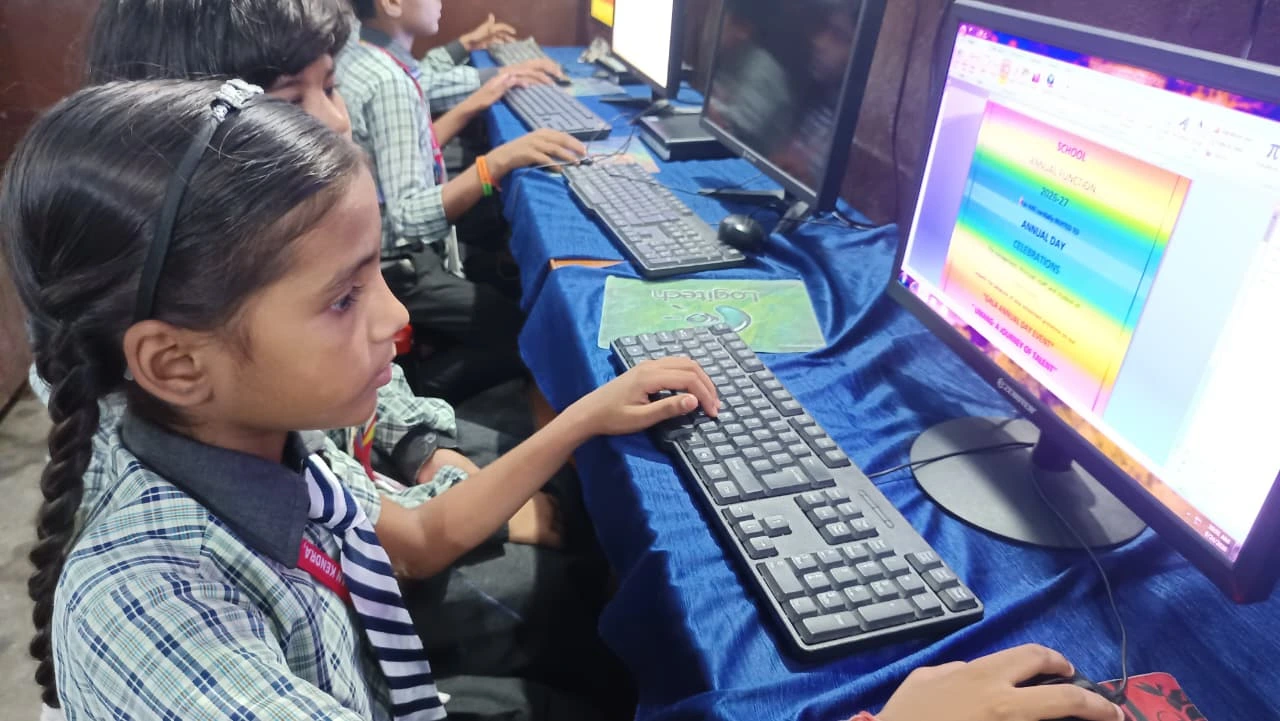
Your study space needs three things: light, quiet, and minimal distractions. Look for a corner in your home away from the TV and kitchen noise. A bedroom corner works perfectly. If you have space near a window, that’s even better because natural light reduces eye strain and keeps your child alert.
Avoid placing the study table facing a wall with posters or toys. Your child’s eyes will wander. Instead, position it so your child faces the room but with a wall or window behind them. This keeps distractions in their peripheral vision, not their main view. Keep the space away from the main living area where family activities happen.
Setting Up Your Homework Station: The Essentials
You don’t need to buy everything at once. Start with these basics for your study table setup:
- A sturdy table: 2.5 feet by 1.5 feet is ideal. It should be at waist height when your child sits. Many Indian parents use simple wooden tables from local carpenters for Rs.3,000-5,000.
- An ergonomic chair: Your child’s feet should touch the ground, and their back should be straight. A bad chair can cause neck pain and reduce focus. Spend Rs.1,500-2,500 on a decent chair.
- Proper lighting: A 40-watt LED bulb or a small desk lamp prevents eye fatigue. Natural light during the day is free and best.
- Storage boxes: Keep pencils, erasers, and notebooks in labelled containers. Plastic storage boxes from local shops cost Rs. 200- 500 each.
- A computer or laptop: For online classes and research, your child needs reliable technology. The Apna PC, priced at Rs. 30,000, is designed specifically for students like yours.
Why the Apna PC Fits Your Homework Station Perfectly
The Apna PC isn’t just another computer. Apni Pathshala built it specifically for Indian students. It comes with 8GB RAM and a 128GB SSD, so it runs smoothly even when your child opens multiple tabs for research. The system won’t freeze or lag, so your child stays focused on learning instead of waiting.
Here’s what makes it special for your child’s study needs. It comes pre-loaded with Zorin OS, which is faster than Windows and needs fewer updates. LibreOffice is included, so your child can write essays and create presentations without buying expensive software. Scratch is pre-installed for learning coding basics. Most importantly, Apni Prerna helps you monitor your child’s study progress without being intrusive.
The Apna PC supports the Digital India initiative, which means it’s designed to bridge the digital divide in Indian homes. You’re not just buying a computer; you’re investing in your child’s future with technology built for Indian students.
Organising Your Study Space for Maximum Productivity
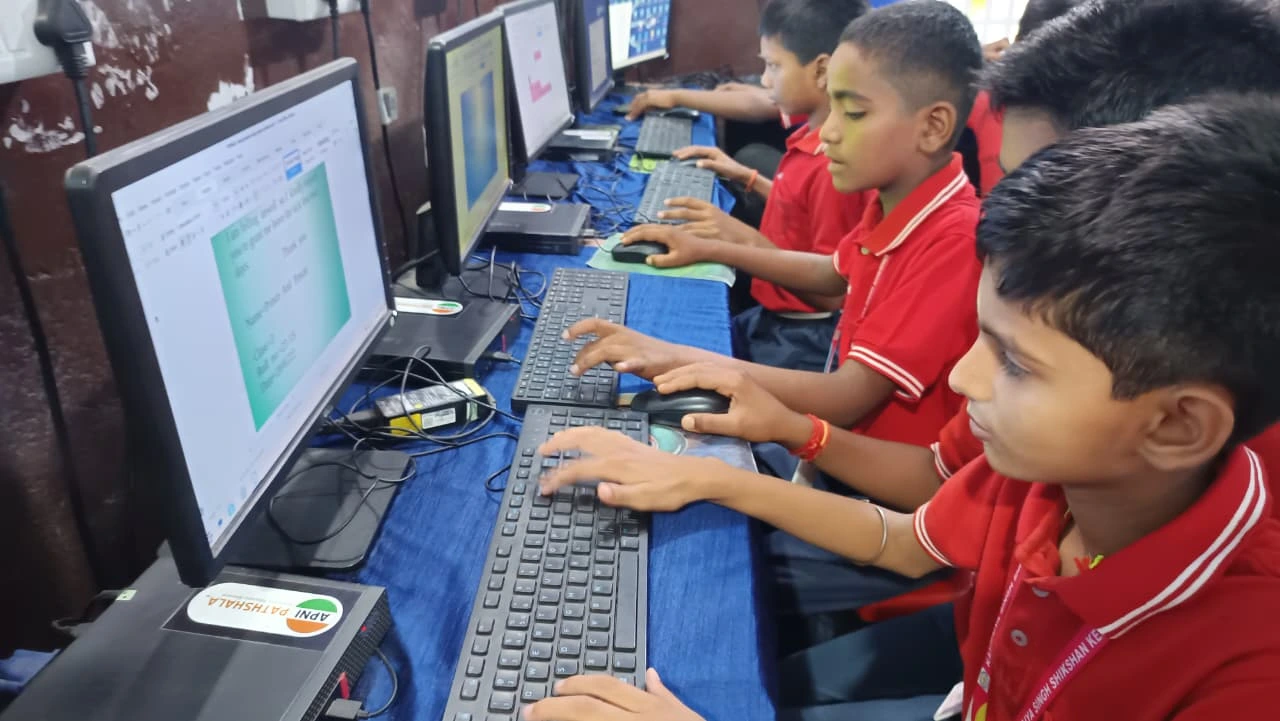
Once your study table and computer are in place, set up a system. Keep a small shelf or rack above the table for textbooks. Use drawer dividers for stationery. Label everything so your child knows where things belong. When you create a productive study corner, you’re teaching your child organisational skills that’ll help them forever.
Set a consistent study time. If your child studies from 4 PM to 5 PM every day, their brain will automatically prepare for that time. Tell family members not to disturb them during study hours. This boundary is crucial. Your child needs to know that this time is sacred and just for learning.
The Study Table Setup That Works for Indian Homes
The setup doesn’t need to be fancy. It needs to be functional. Keep the desk surface clear except for the current subject. When your child finishes math, put the math books away before starting Hindi. This clears the mind and reduces overwhelm.
Add a small whiteboard or bulletin board above the desk. Your child can write important dates, formulas they’re learning, or motivational quotes. This keeps their goals visible. A small plant or water bottle on the side reminds your child to stay hydrated and take breaks every 30 minutes.
Making Your Child Want to Study There
Involve your child in setting up the study space. Let them choose the colour of the storage boxes or where to place the chair. When children have ownership, they’re more likely to use the space. Ask them what they need to feel comfortable. Maybe they want a small lamp or a specific type of pencil holder.
Celebrate the new study setup. Take a photo, put it on the fridge, and tell your child how proud you are. Make studying feel like a privilege, not a punishment. When your child sees you respect their study space, they will too.
Creating a dedicated study area is one of the best investments you can make in your child’s education. It costs less than one month of tuition but delivers results that last for years. The Apna PC at Rs.30,000 becomes the centrepiece of this space, giving your child access to quality educational resources and technology designed for Indian learners. Your child will study better, remember more, and develop habits that’ll carry them through school and beyond. Visit apnapc.com to learn more.