

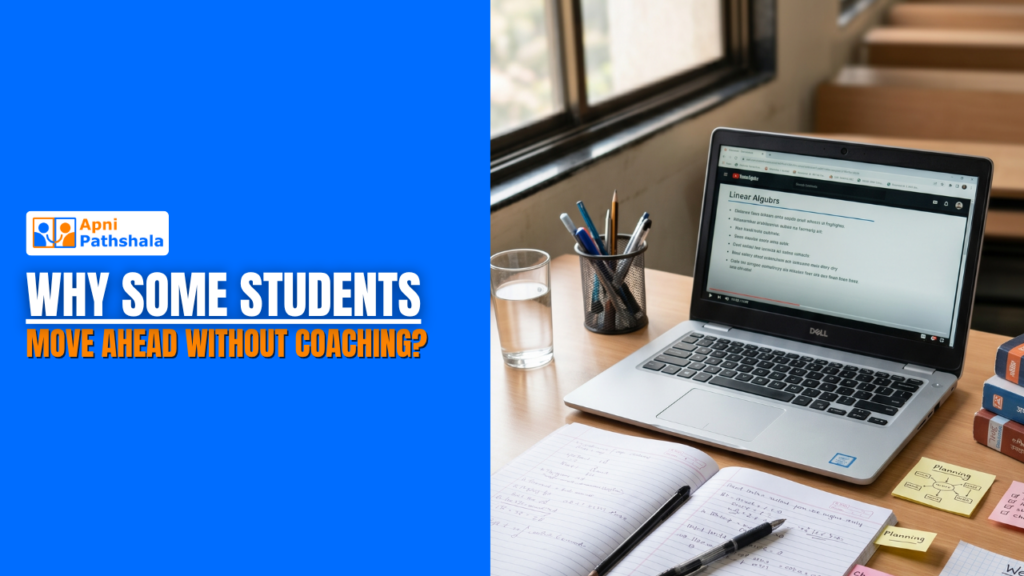
Every few years, someone tops a board exam without attending a single coaching class. People call it exceptional. But it isn’t. It is the result of something simpler: knowing how to study without coaching and doing so consistently. The students who move ahead on their own are not smarter than their peers. They have better habits, the right environment, and access to tools that enable self-directed learning. And those things can be built by anyone.
Self-Study Tips That Actually Make a Difference
Self-study does not mean sitting alone with a textbook and hoping something sticks. It means learning with intention, knowing what you are trying to understand, how you will practise it, and whether it has actually gone in.
The self-study tips for students who consistently perform well share a few things in common:
- Fixed study hours – a consistent schedule trains the brain to be ready to learn at a set time, the same way an athlete trains at the same hour every day
- One subject at a time – switching between subjects every 20 minutes feels productive, but builds nothing deeply
- Active recall over re-reading – close the book, write down what you remember, then check. This retains more than reading the same page five times
- Short focused sessions – 45 minutes of real focus with a 10-minute break- outperform three hours of half-distracted reading
- Practice over notes – especially in Maths and Science, doing problems is more valuable than making perfect notes
None of these requires a coaching institute. They require discipline, a plan, and a quiet space to practise.
How to Study at Home Effectively?
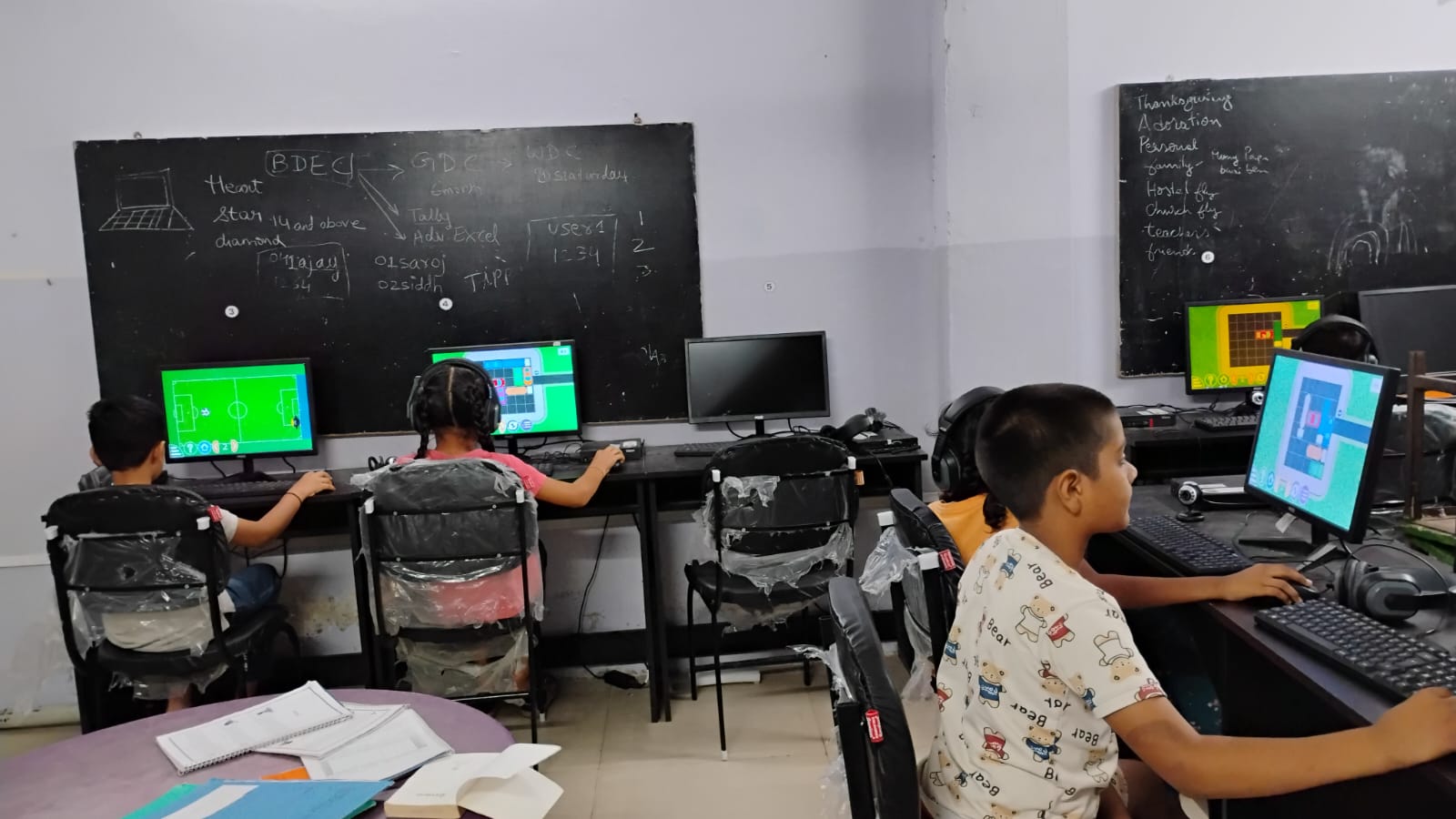
The environment shapes the outcome more than most students realise.
Students who know how to study at home effectively do not just sit wherever is convenient. They create a study setup, even a basic one, that signals to the brain: this is work time, not rest time. A fixed desk used only for studying. A device with educational tools ready and entertainment apps closed. Notifications off. A specific goal for the session should be written down before it starts.
For many Indian students, particularly in smaller cities and towns, the biggest barrier to studying at home effectively is not motivation. It is access. No computer means no digital resources, no concept videos when a textbook explanation doesn’t click, no practice exercises, and no ability to look something up instantly. A student sharing a phone with three siblings has far less uninterrupted study time than one with a personal device.
The physical and digital environments of home study determine how much of a student’s effort actually translates into learning. Getting that environment right matters as much as the effort itself.
Self-Study vs Coaching: What the Comparison Actually Shows
The question of self-study vs coaching, which is better, misses the point. The real question is: where does understanding actually happen?
Coaching can provide structure, a schedule, and a teacher to answer questions. But no coaching class can teach a student. The hours between class and the next class, when a student sits alone with the material, re-reads a chapter, solves practice problems, and figures out what they still don’t understand, that is where marks are actually built.
The Central Board of Secondary Education (CBSE) has long emphasised concept clarity and applied understanding over rote recall, the kind of understanding that self-study builds far better than passive instruction.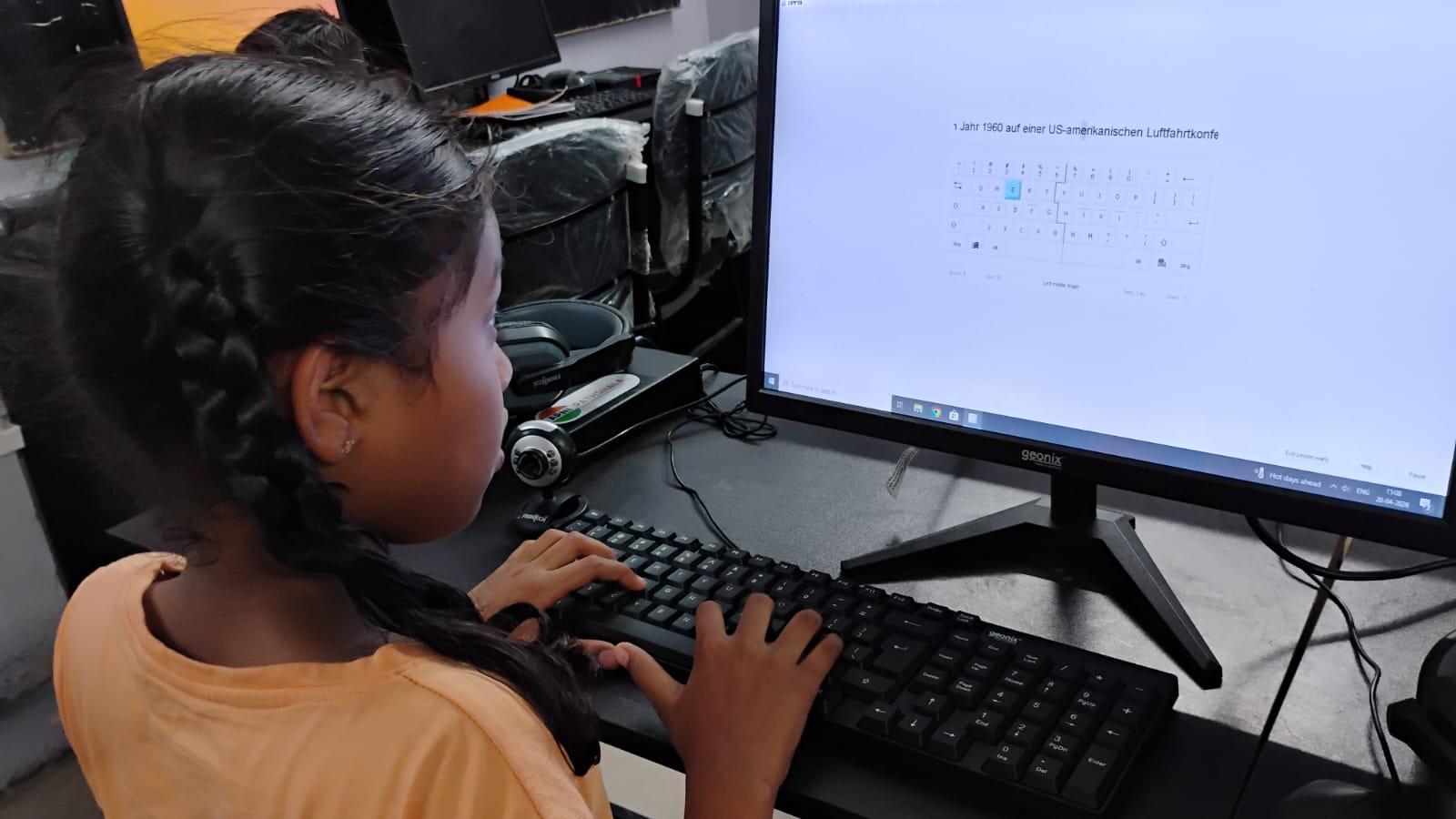
Research from UNESCO global education research consistently shows that students who develop self-regulated learning habits, the ability to plan, monitor, and evaluate their own progress, outperform peers who depend entirely on external instruction, regardless of how expensive that instruction is.
Coaching is a supplement. Self-study is the foundation. Students who understand this distinction are the ones who move ahead.
The Tool That Makes Self-Study Work at Home
Good habits and the right environment matter, but so do the right tools.
A student who wants to study independently needs more than willpower. They need access to concept explanations beyond their textbook, practice exercises with feedback, and educational content aligned to their syllabus. All of this is available on a computer. Not just online, but through educational software built for Indian students, covering the topics they actually need to prepare for.
Apna PC comes pre-loaded with exactly that. At ₹21,000 (shipping and GST excluded), it is built for families in Tier 2 and Tier 3 cities where a personal computer has felt out of reach. A student with Apna PC can revise lessons, practise problems, and explore concepts at their own pace, without a coaching class, and without needing the internet to get started.
How a Personal Computer Helps Students Learn beyond what any classroom covers explains why home access changes outcomes so completely.
The students who move ahead without coaching are not exceptions. They are students with good habits and the right tools working together. The Biggest Advantage a Student Can Have Today is exactly that combination. Visit apnapc.com to learn more.