

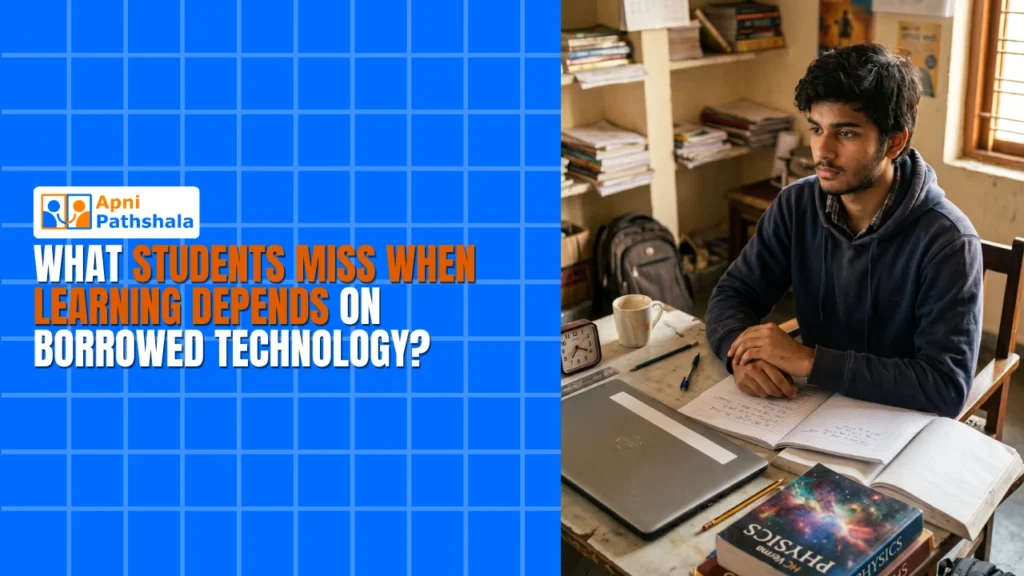
Priya gets home from school at 4 PM, ready to study for her upcoming exam. The family’s only laptop is with her father, who works from home. Her father finally hands over the laptop at 7 PM, but her focus has faded, and dinner is nearly ready. Situations like this define what shared devices for students really mean, not a convenience issue, but a daily barrier to consistent, quality learning.
What is Lost Every Time a Device Is Shared?
Sharing one phone or laptop across a household sounds like a practical solution. In reality, it creates invisible gaps in a student’s learning. Every time a student cannot access a device when they need it, they lose more than just time.
They lose the momentum of a study session. They miss the chance to rewatch a confusing concept from class. They cannot finish the research that was going well. And because borrowing a device means fitting into someone else’s schedule, students often shorten their study time rather than risk being asked to wait even longer.
The impact compounds over months. A student who consistently loses sixty to ninety minutes of focused study time each day builds a knowledge gap that does not show up immediately in test scores but surfaces during board exams or competitive entrance tests when depth of understanding matters. Read more about The Hidden Cost of Not Having a Computer in 2026 to understand just how much is at stake.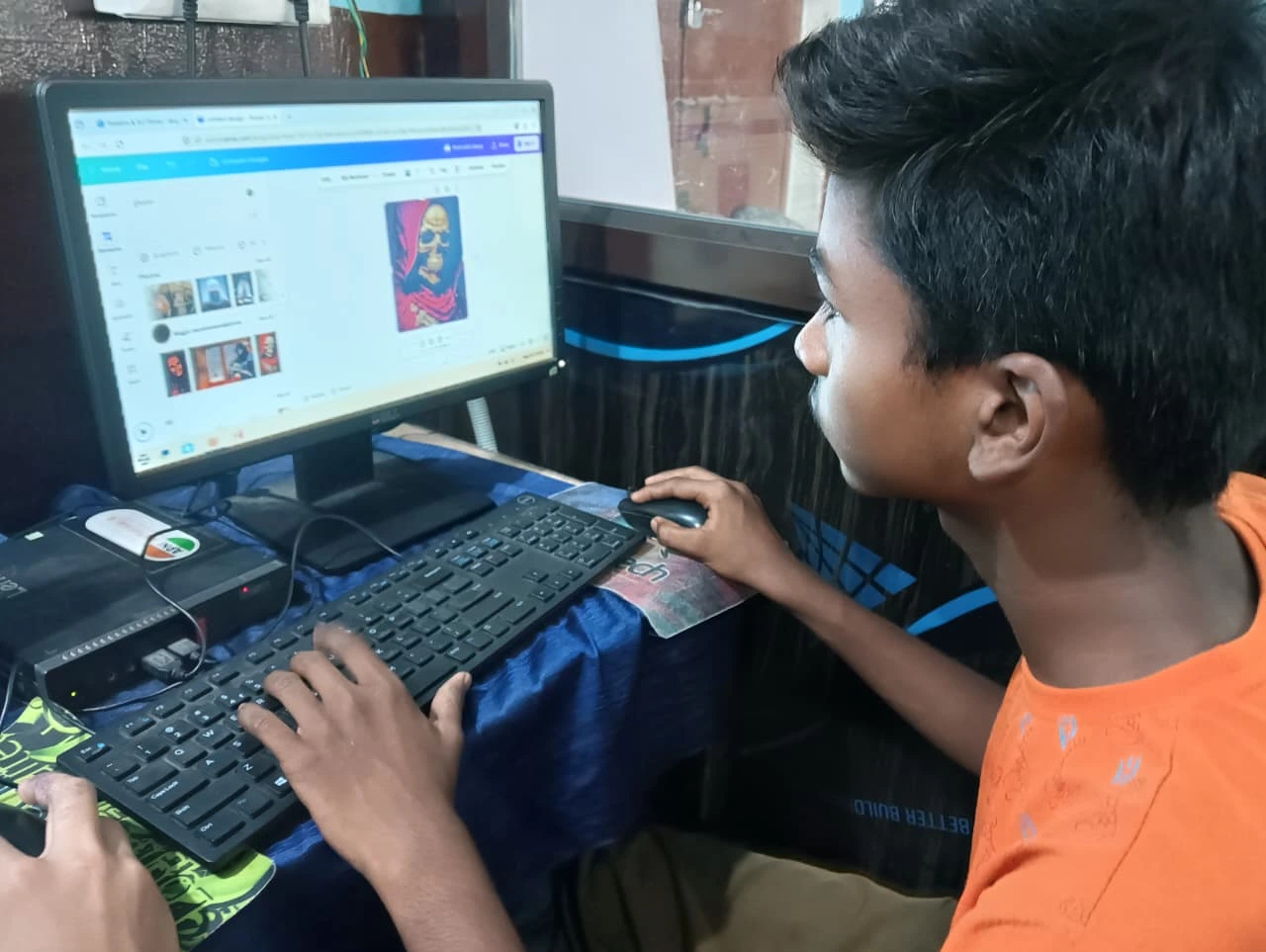
A Borrowed Laptop for Study Is Not the Same as Your Own
There is a real difference between having access and having ownership. A borrowed laptop for study creates friction at every step. The student logs in, navigates someone else’s browser tabs, deals with notifications that are not theirs, and must stop the moment the owner returns.
More importantly, borrowing limits exploration. Students who own a computer spend time experimenting, looking up new topics, discovering platforms like DIKSHA, India’s national digital learning platform, practicing typing, or working on creative projects at their own pace. A student borrowing a device sticks to the minimum task and exits. The curiosity that drives more profound learning simply does not happen under those conditions.
Borrowed access also sends students the wrong signal. It teaches them that learning is something they do in leftover time, in the gaps between everyone else’s needs. That message, repeated daily, gradually erodes their relationship with learning itself. A student without a device sees studying as something that happens to them, not something they control.
The Digital Divide in Education Is More Personal Than We Realize
The digital divide in education is often discussed as a connectivity problem, specifically whether children have internet access. But the deeper divide is about device ownership, access time, and psychological comfort with technology.
According to the UNICEF India education report, millions of Indian children still lack consistent access to digital learning tools. Children often fall behind not due to lack of effort, but because they lacked access to a device when needed most. A child borrowing a phone for thirty minutes cannot build the same confidence and depth as one who studies freely for two to three hours on their computer.
This divide is not always visible from the outside. A student who shares a device at home does not look different from one who owns their own. But inside the classroom, the gap shows in their confidence with technology, their ability to complete assignments independently, and their comfort with the tools their peers use every day.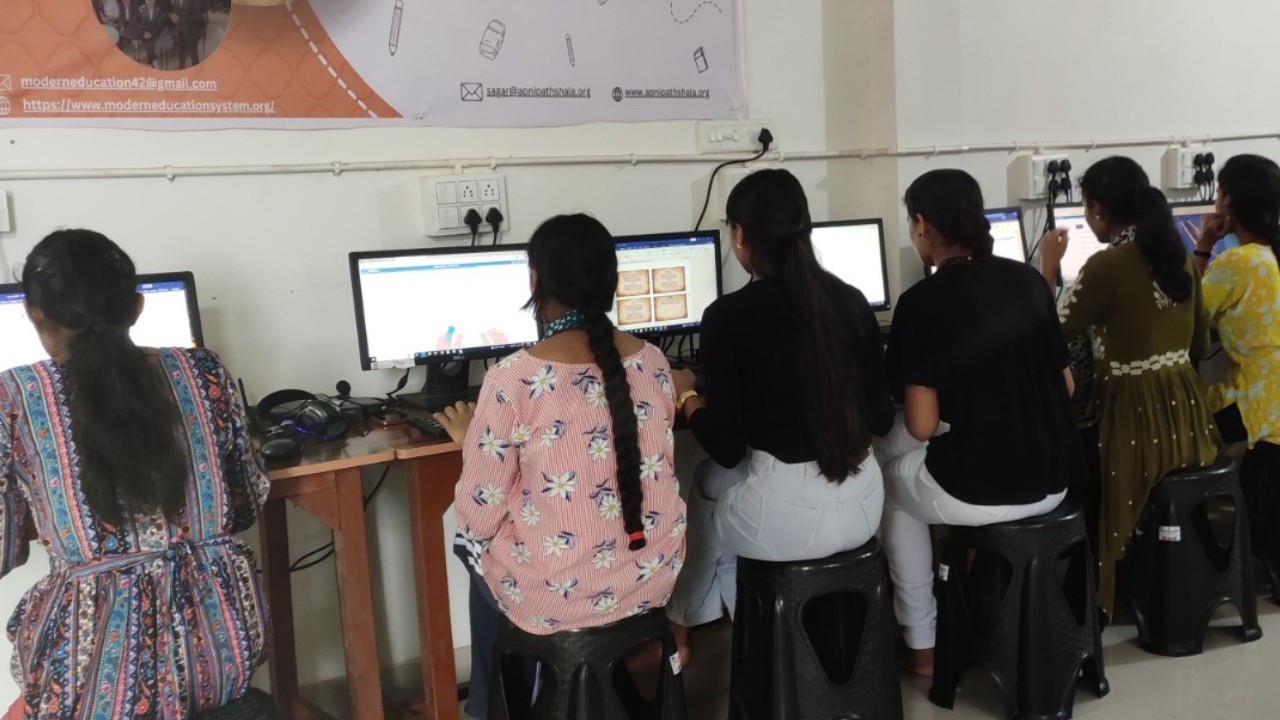
Fixing Learning Problems at Home Starts With One Decision
Most learning problems at home are not about willpower or intelligence. They are structural. A student who cannot access a device at the right time is not lazy; they are stuck in a situation that was never designed around their learning needs.
The solution is straightforward: provide every student their own computer. Why Every Indian Student Needs Their Own A computer is not just a suggestion; it is the baseline for equal learning access in today’s world. Apna PC was built with exactly this need in mind. At ₹21,000 (shipping and GST excluded), it provides Indian students a dedicated, reliable computer that belongs only to them, ready when they are, without waiting, without borrowing, and without negotiating with the rest of the family.
When a student has their own device, they study on their terms. That one shift does not just improve grades; it changes how a student sees themselves as a learner.
If your child is still waiting for a shared phone to open up, it is time to change that. Visit apnapc.com to learn more.