


Students need stability to learn online because good teaching only works when they can follow it without interruptions. A dedicated device, a readable screen and uninterrupted study time let a child absorb the lesson, instead of spending the class dealing with a borrowed phone, a dying battery or a sibling waiting for the device.
Across many Indian homes, students face the same daily problems: the phone is borrowed, the connection drops and study time ends before the lesson does. Even the best content falls flat without a stable base.
What does a stable learning environment actually mean?
A stable learning environment means consistent, reliable access to everything a student needs the moment they sit down to study. It is more than a quiet room. It includes:
- A dedicated device, not a phone shared between three family members
- A screen large enough to read without straining the eyes
- A keyboard for typing notes and assignments properly
- No worry about the battery dying mid-lecture or the network dropping before a key explanation
When these basics are missing, students spend the class managing the situation instead of absorbing the lesson. Over time, the frustration can turn into a belief that online learning does not work for them, when the real problem was the environment.
Why does stability matter so much for online classes?
Online classes demand focus without a teacher in the room to bring attention back. Students must follow lessons, take notes and attempt exercises on their own, which is hard on a small shared phone.
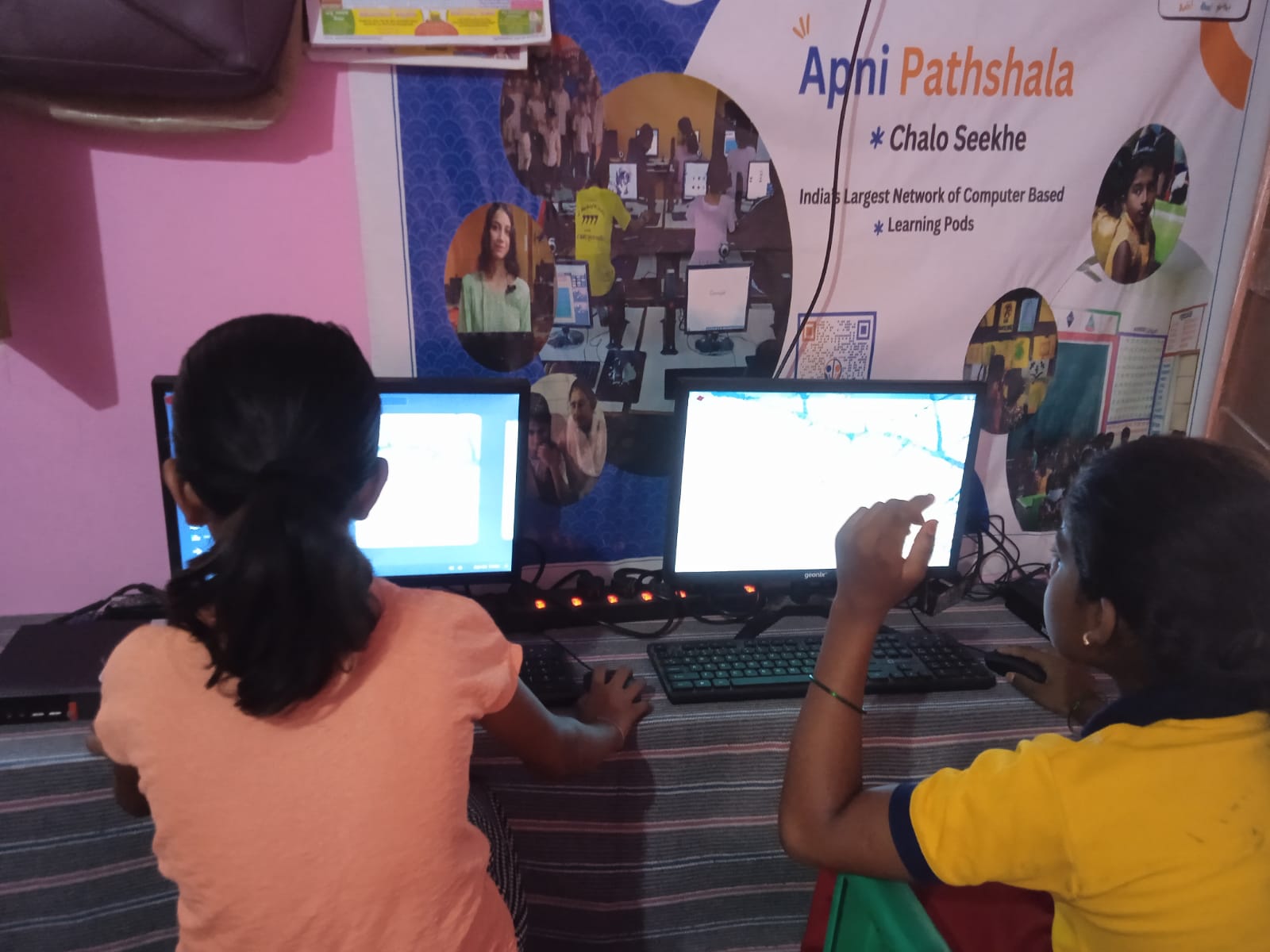
The UNESCO education pages cover access to learning as a global priority. In practical terms, a stable setup is not a luxury. It is a basic condition for learning online.
How does a proper computer setup improve online learning?
A proper computer turns online study from a struggle into normal work. With the right setup, a student can:
- View lesson slides without squinting
- Type notes at a natural pace
- Open a second tab to look something up without losing the lesson
- Rewatch a recorded session as many times as needed
This relaxed, self-directed engagement is what real learning looks like, and it is nearly impossible when the time is borrowed or the screen belongs to someone else. See how a computer helps with online classes in daily use.
Why does owning the device make a difference?
Students use a device more consistently when it is theirs. As Why Every Indian Student Needs Their Computer explains, ownership matters.
When a computer is not borrowed or shared, the student explores topics beyond the lesson and builds habits that grow over time. Our article on digital stability for students looks at this in more detail.
What digital learning challenges do Indian families face?
The main barrier is cost and practicality, not willingness. Parents want their children to succeed and students want to learn, but a quality laptop in India typically costs ₹40,000 or more.
For many families in Tier 2 and Tier 3 cities, with other children, school fees and no guaranteed return, that is out of reach. So students keep sharing smartphones, study on cramped screens and attend class when the phone is free rather than when they are ready.
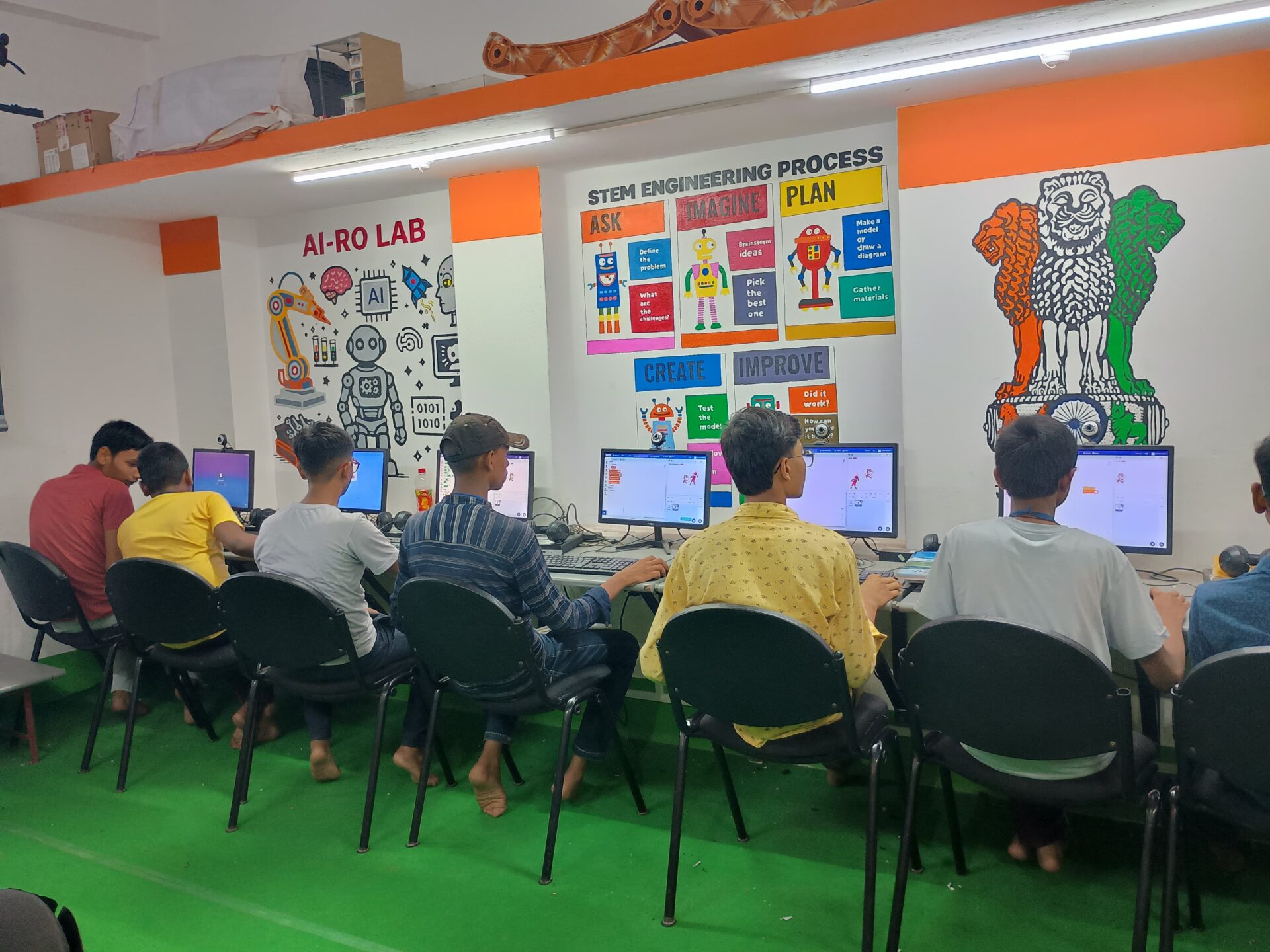
DIKSHA, India’s national digital learning platform, offers structured digital content to students across the country. But reaching a platform and learning from it are different things. Device quality, private access and screen size decide whether a student absorbs the content or just scrolls past it.
How does Apna PC help create stability?
Apna PC is an affordable, education-focused computer that belongs entirely to the student. Priced at ₹30,000 (shipping and GST excluded), it comes ready with learning software and works reliably without high-end internet.
As The Biggest Advantage a Student Can Have Today points out, a child’s future is shaped less by a single exam score and more by the steady support behind every study session.
Frequently Asked Questions
Can a child attend online classes properly on a smartphone?
A smartphone works for short sessions, but it is hard to rely on every day. Small screens strain the eyes, typing notes is slow, and calls or messages interrupt lessons. If the phone is shared, class time also depends on when it is free. A dedicated computer avoids these problems.
What internet speed does a student need for online classes?
Most online classes run on an ordinary home broadband or mobile hotspot connection. A steady connection matters more than a very fast one. If the network is weak, downloading recorded lessons when the signal is good lets your child watch them later without buffering.
How can parents reduce interruptions during online study?
Set a fixed study slot, keep the study device separate from family entertainment and let the household know when class is on. A quiet corner, a charged device and a ready notebook before class starts all help your child stay focused from start to finish.
The child is not the problem. The environment is, and fixing it lets learning follow. If your child struggles to keep up with online classes, visit Apna PC to learn more.