


When Ravi’s Son Started Learning Digital Responsibility
Ravi sat in his small living room in Indore, watching his 12-year-old son Aditya stare at the old laptop for the fifth hour straight. The screen’s blue light reflected off Aditya’s tired eyes. His homework sat untouched on the table, and Ravi felt helpless. He didn’t understand computers well enough to guide his son. This is where digital responsibility begins for many families like yours in tier 2 and tier 3 cities across India. Teaching your child how to use computers wisely isn’t just about limiting screen time. It’s about building habits that last a lifetime.
Why Digital Responsibility Matters for Your Child
Your child will live in a world where computers aren’t optional. They’re essential. But here’s the truth: most parents don’t teach their kids how to use them responsibly. Schools focus on what to do with computers, not how to do it safely and smartly.
Digital responsibility means your child learns to:
- Balance work and leisure on the computer without getting lost in endless scrolling
- Protect their privacy and understand what information they should never share online
- Complete tasks independently without constant supervision or reminders
- Take care of their equipment and understand its value
- Use technology as a tool for learning, not just entertainment
When Aditya’s parents finally set clear rules about computer use, something changed. He wasn’t just sitting in front of the screen anymore. He was learning.
Start With Clear Boundaries and Expectations
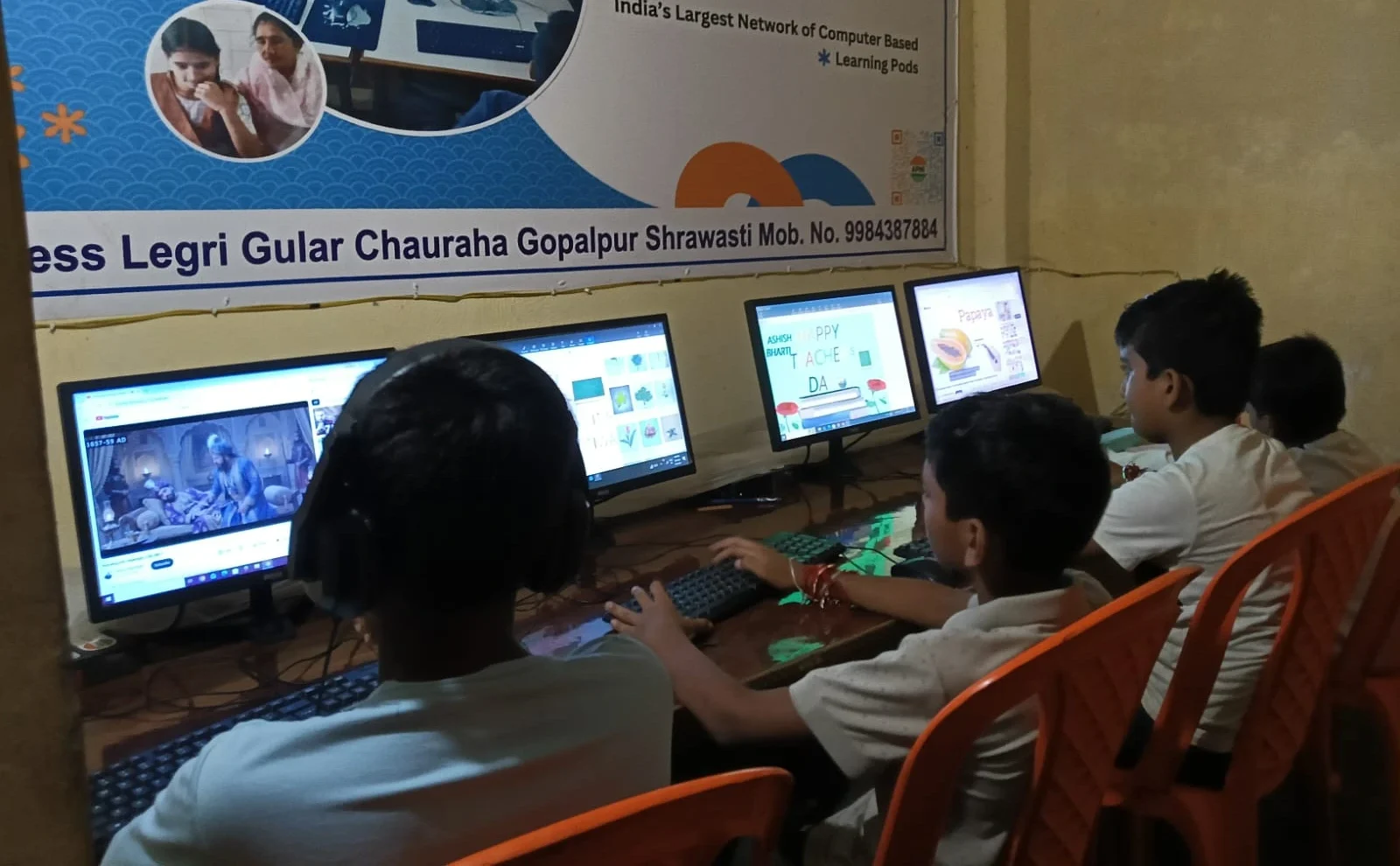
You can’t expect your child to develop good computer habits without clear rules. Sit down with your son or daughter and decide together when they can use the computer and for how long. This isn’t punishment. It’s structure.
Make a simple chart. Write down study hours, break times, and when the computer is off-limits (like during meals or just before bed). When your child helps create these rules, they’re more likely to follow them. They feel ownership over the decision.
The Apni Pathshala blog has excellent resources on creating healthy study routines. Check it out for ideas tailored to Indian students.
Teach Your Child to Complete Tasks, Not Just Browse
One of the biggest challenges is helping your child use computers for actual learning. Many kids open the computer for homework but end up playing games or watching videos instead. This happens because they don’t know how to stay focused.
Teach your child a simple system. Before sitting at the computer, they should write down exactly what they need to do. Finish math homework. Research for the history project. Practice typing. One task at a time.
When your child completes the task, they turn off the computer. This builds discipline. Over time, they develop technology independence. They don’t need you standing over them to get work done.
Help Them Understand Online Safety and Privacy
Your child might not realise that the internet isn’t always safe. They may not realise that sharing their real name, school, or photo can be risky. They don’t understand that strangers online aren’t always who they claim to be.
Have honest conversations about online safety. Explain that they should never share personal information without asking you first. Teach them that if something makes them uncomfortable online, they should tell you immediately without fear of punishment.
Digital responsibility includes knowing how to protect yourself. This is as important as learning to cross the street safely.
Choose the Right Equipment for Learning
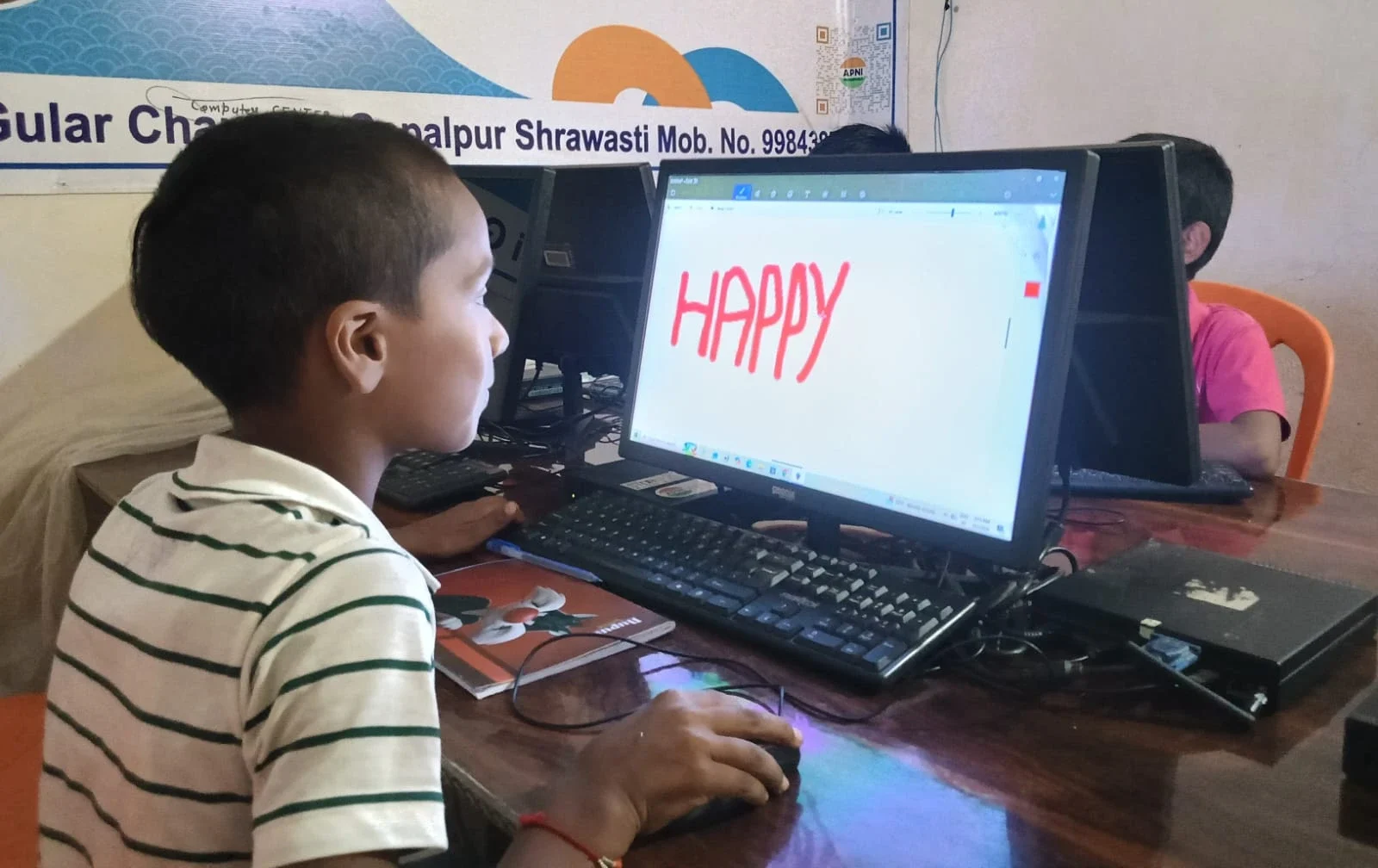
The computer your child uses matters. If it’s old and slow, they’ll get frustrated with schoolwork and turn to games or videos instead. A good learning computer should be reliable, fast enough for educational software, and safe.
The Apna PC is designed exactly for this purpose. Built by Apni Pathshala for students in India, it comes with Zorin OS, Apni Prerna for monitoring, LibreOffice for documents, and Scratch for coding. With 8GB RAM and 128GB SSD, it handles everything your child needs for school without the distractions of unnecessary programs.
At Rs.30,000 (shipping and GST excluded), it’s affordable for families in tier 2 and tier 3 cities. Your child gets a personal computer built for focus, not distraction.
Monitor Progress Without Hovering
You don’t need to watch your child every second. But you do need to check in. Ask what they completed today. Look at their work. Praise them when they stick to their schedule.
Tools like Apni Prerna help you understand how your child is using the computer without being invasive. You can see if they’re staying on task and learning independently. This is digital responsibility in action.
Connect to India’s Digital Future
The Government of India’s Digital India initiative recognises that technology skills are essential for India’s future. Your child will need these skills for school, college, and their career.
By teaching digital responsibility now, you’re preparing your child for success. You’re not just teaching them how to use a computer. You’re teaching them discipline, safety, and independence.
Ravi’s son Aditya now completes his homework on time. He’s learning to code using Scratch. He knows not to share his personal information online. His parents no longer worry about his computer use because he’s learned to manage it himself. This is what digital responsibility looks like.
Your child can develop these habits too. It starts with clear expectations, the right tools, and your support. Visit apnapc.com to learn more.