


Rajesh’s Wake-Up Call: When Screen Time Stopped Meaning Anything
Rajesh Kumar sits in his Indore home, scrolling through his son Arjun’s screen time report on his phone. Four hours daily. He feels the familiar guilt twist in his chest. His wife Priya keeps saying the boy spends too much time on devices. But what bothers Rajesh more is that Arjun’s marks haven’t improved, his Hindi essays are still weak, and he can’t code despite claiming to “learn programming online.” The screen time number looks bad, but his digital output is invisible. This is the trap most Indian parents fall into.
You might think your child is productive because their tablet glows for six hours straight. You might believe learning is happening because the screen is on. But what are they actually creating, building, or learning? That’s the real question.
Why Digital Output Matters More Than Hours
Digital output means the actual work your child produces. It’s the essay they write, the code they build, the presentation they create, the problem they solve. It’s not about the hours spent staring at a screen. It’s about what they have to show for those hours.
Think about it this way. Your daughter watches YouTube tutorials on graphic design for two hours. But does she create a poster? Does she design a flyer? Does she build a portfolio? Thats real productivity. Without it, she’s just consuming content, not learning.
- Creating content: Writing stories, making videos, coding projects
- Solving problems: Completing math assignments, research papers, science experiments
- Building skills: Learning software through actual practice, not just watching
- Producing results: Grades, certificates, tangible projects with deadlines
The screen time vs creating debate has confused parents for years. But the answer is simple: focus on what your child builds, not how long they sit.
Why Your Child’s Productivity Matters More Than Hours
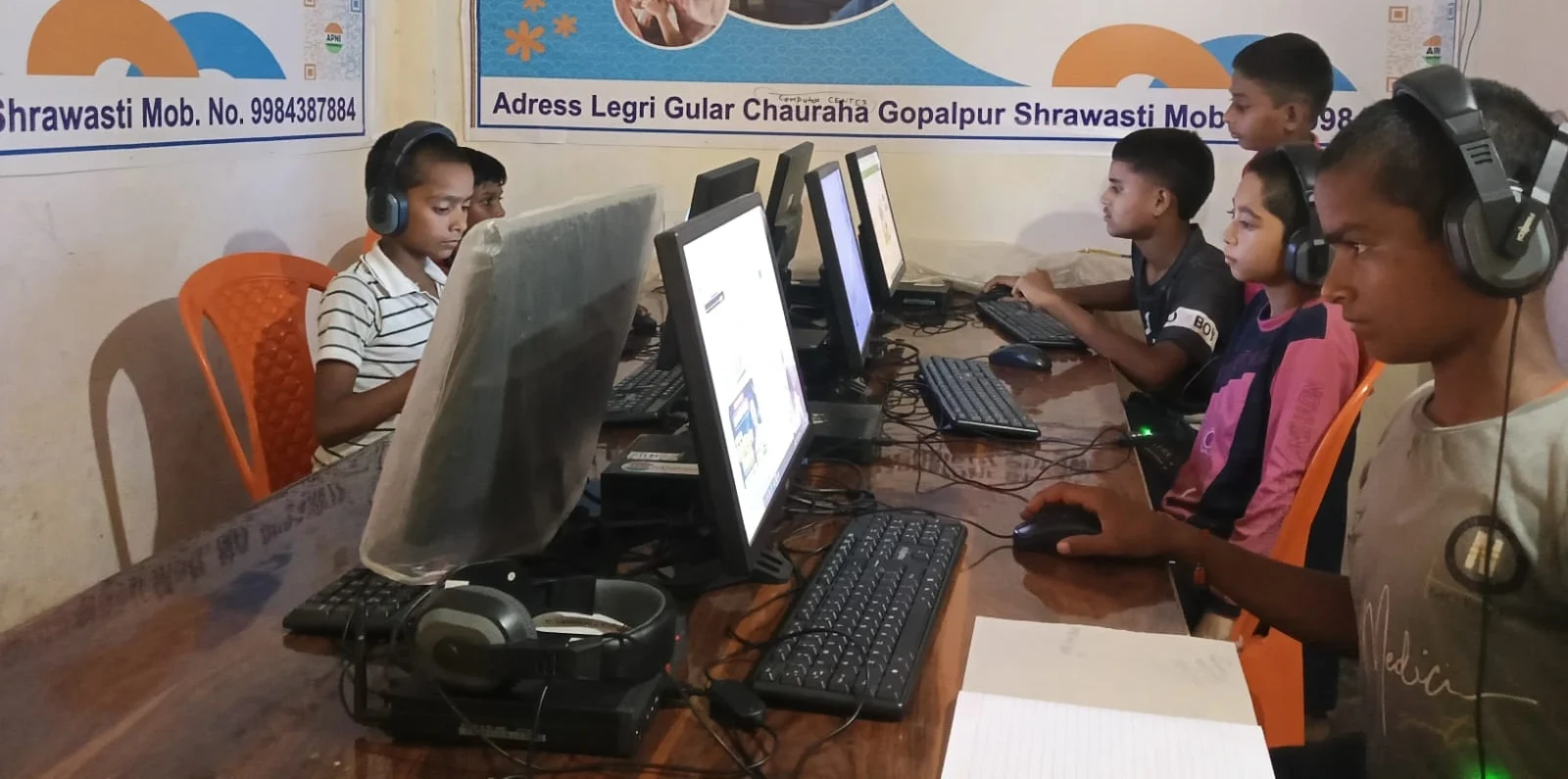
Schools in tier 2 and tier 3 cities across India are catching up with technology. Your child will need to work with computers. But they need to work with them productively, not just passively.
When you track actual work instead of screen time, you see real learning. You see if your son actually learned spreadsheets or just watched a video. You see if your daughter can code or just copied someone else’s project. You see if your child is developing skills that matter for competitive exams, college applications, and future jobs.
According to UNESCO education research, students who create content learn 70% better than those who just consume it. Your child’s brain changes when they produce something, not when they passively watch.
Learning Results Come From Active Digital Work
Priya noticed something after three months of tracking Arjun’s actual output instead of screen time. His grades went up. Not because he spent less time on the computer, but because he spent it differently. He built projects in Scratch instead of watching gaming videos. He wrote essays using proper formatting tools instead of just reading articles. His results were measurable.
This is what happens when you shift focus from screen time to student productivity. Your child becomes intentional about computer use. They know they need to produce something. They know you’re checking their work, not just their usage hours.
The Apni Pathshala blog has detailed guides on how to track this. Many parents in Delhi, Mumbai, and smaller cities are already doing this successfully.
How Apna PC Helps Track Digital Output
This is where the right tools make a difference. Apna PC comes with Apni Prerna, a student monitoring system built specifically for Indian parents. It’s not about spying on your child. It’s about understanding what they are actually doing on the computer.
You can see the projects they complete, the documents they create, the progress they make in Scratch programming. You can see if they are using LibreOffice to write assignments or just wasting time. You can track actual learning, not just hours.
Apna PC also comes pre-loaded with tools designed for student productivity. Zorin OS runs smoothly on the 8GB RAM and 128GB SSD, making it perfect for schoolwork. Your child can create presentations, write code, design projects, and build a digital portfolio. At Rs. 30,000 (before shipping and GST), it’s an investment in your child’s digital literacy and real learning outcomes.
What Results Look Like for Your Child
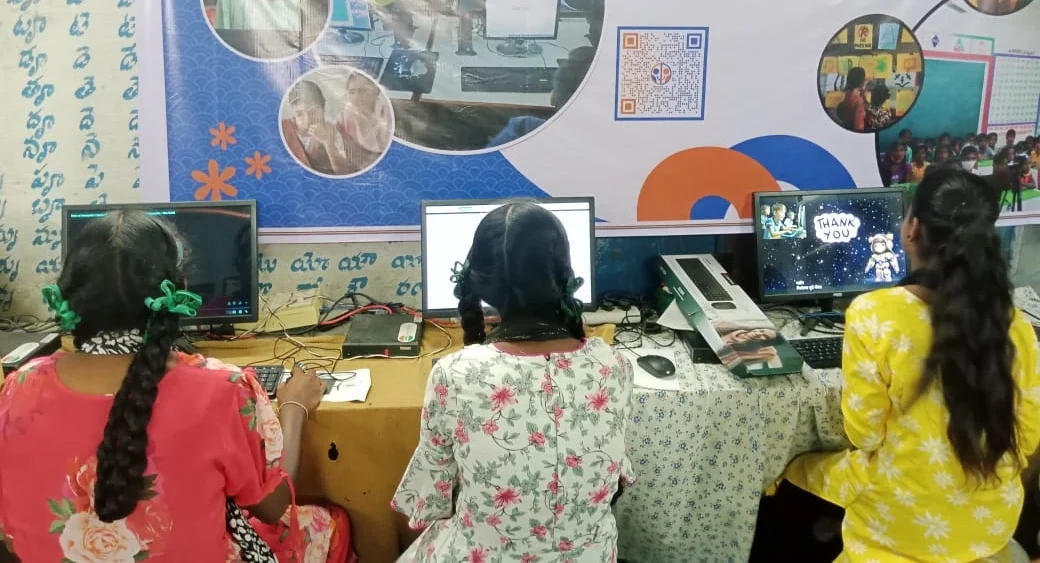
By the end of each month, your child should have something to show. A completed coding project. A well-researched presentation. A portfolio of digital designs. Completed assignments with proper formatting. Certificates from online courses they actually finished.
This is different from screen time. Screen time is passive. Real work is active. Screen time is hours. Real work is results.
India’s Digital India initiative aims to make every Indian digitally literate. But literacy means knowing how to create and produce, not just consume.
Start Measuring What Matters Today
Stop asking “How many hours did you spend on the computer?” Start asking “What did you create today?” Your child’s future depends on their ability to produce digital work, not their ability to watch screens.
Make the shift this week. Track one project your child completes. One assignment they finish. One skill they actually learn and demonstrate. You’ll see the difference immediately.
Your child can become genuinely productive with the right computer and the right monitoring approach. Visit apnapc.com to learn more.