


When Arjun’s Dream Met Reality in Indore
Arjun was 14 when he decided he wanted to build a student tech club at his school in Indore. His parents were supportive but sceptical. “Beta, you don’t have a computer lab. How will you teach others coding?” his mother asked. Arjun felt stuck. He couldn’t afford expensive computers for every member, and his school’s infrastructure was limited. But he refused to give up on his dream of creating a student tech club that could actually work.
What if I told you that Arjun’s story doesn’t have to end there? Thousands of students in Tier 2 and Tier 3 cities across India face the same challenge. You want to start a student tech club, but the resources feel impossible to gather. The good news is that building a thriving tech club doesn’t require a fancy setup or leaving your home. With the right approach and tools, it’s entirely possible.
Why Your Student Tech Club Matters Right Now
A student tech club isn’t just about learning coding or building apps. It’s about creating a community where young minds collaborate, solve problems, and grow together. When you build a tech club, you’re giving your peers access to skills that’ll shape their futures. Whether it’s coding, digital design, or robotics, these skills are no longer optional in India’s job market.
According to the Ministry of Education, digital literacy is now a priority across Indian schools. Yet many students in smaller cities still lack hands-on experience with tech projects. Your student tech club can bridge that gap.
Start Your Tech Club Without Leaving Home
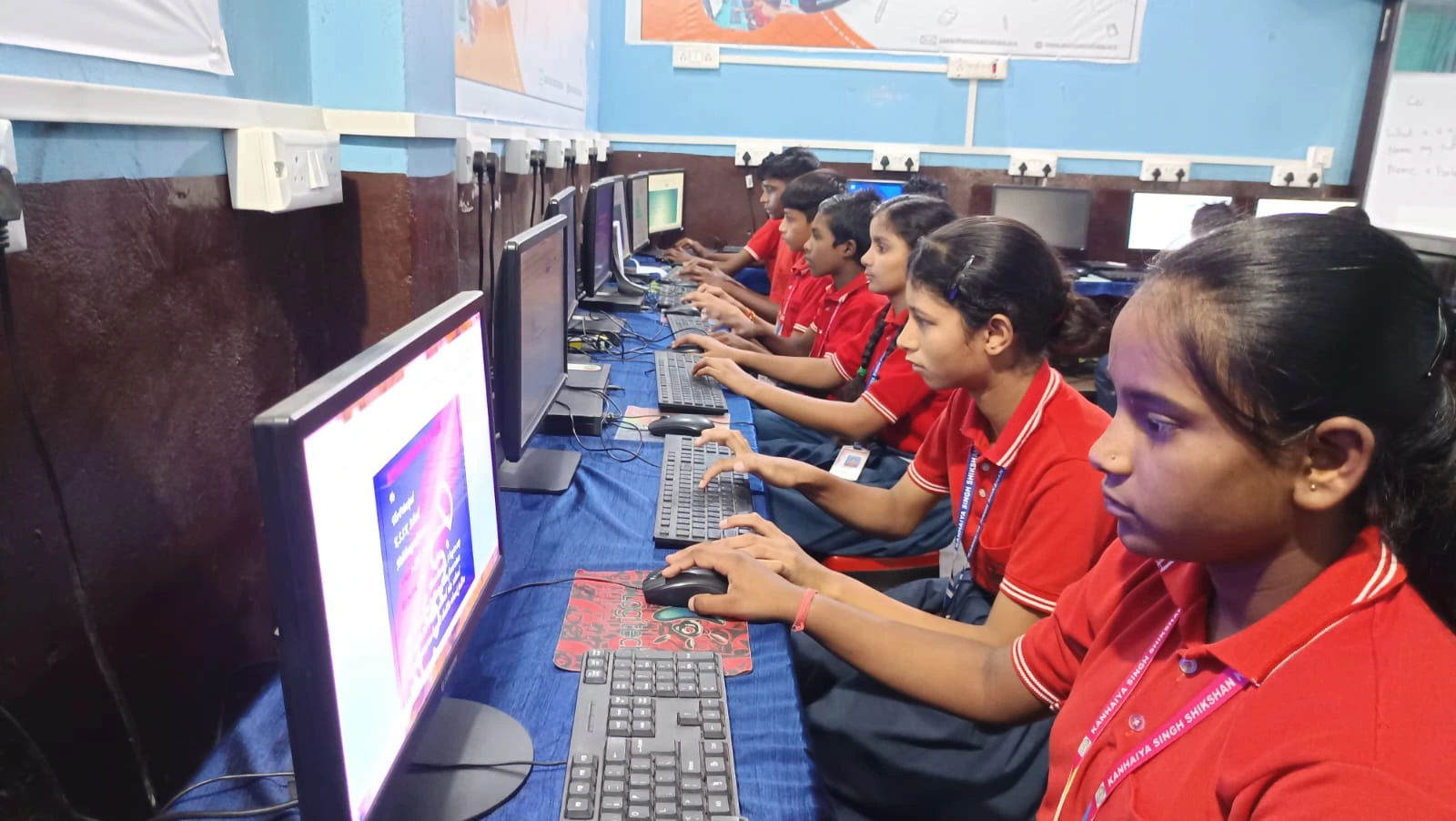
Here’s the truth: you don’t need a physical clubhouse to run a successful student tech club. You can start entirely online or use a hybrid model that fits your situation.
- Online meetings via WhatsApp or Google Meet: Pick a consistent day and time. Start with just 5-10 members who’re genuinely interested.
- Weekly projects: Assign small coding challenges or design tasks. Members work on them at home and share results the next week.
- Guest speakers: Invite college students or working professionals to share their experiences. Many are happy to join a 30-minute call.
- Resource sharing: Use free platforms like DIKSHA digital learning platform and YouTube channels to find quality tutorials.
Tech Club Ideas That Actually Work
You’re probably wondering what your club should actually do. Here are some proven tech club ideas that don’t require fancy equipment.
Beginner coding projects: Start with Scratch or Python. Your members can create games, animations, or simple programs. You can even learn coding without classes using free online resources and teach each other.
Web development basics: Teach HTML, CSS, and JavaScript. Have members build their own portfolio websites. This is a skill that impresses college admissions officers.
App development: Explore MIT App Inventor or Flutter. These tools let students build real mobile apps that work on Android phones.
Digital design: Use free tools like Canva and GIMP. Members can create logos, posters, or social media graphics for local businesses. This builds a portfolio and sometimes earns money.
Robotics and IoT: If you have access to Arduino kits or Raspberry Pi boards, these are affordable ways to explore hardware. Your club can build small projects and document them online.
Hackathons and competitions: Organise online hackathons where members solve real problems. This builds teamwork and gives everyone a sense of achievement.
Making Your Tech Club Sustainable
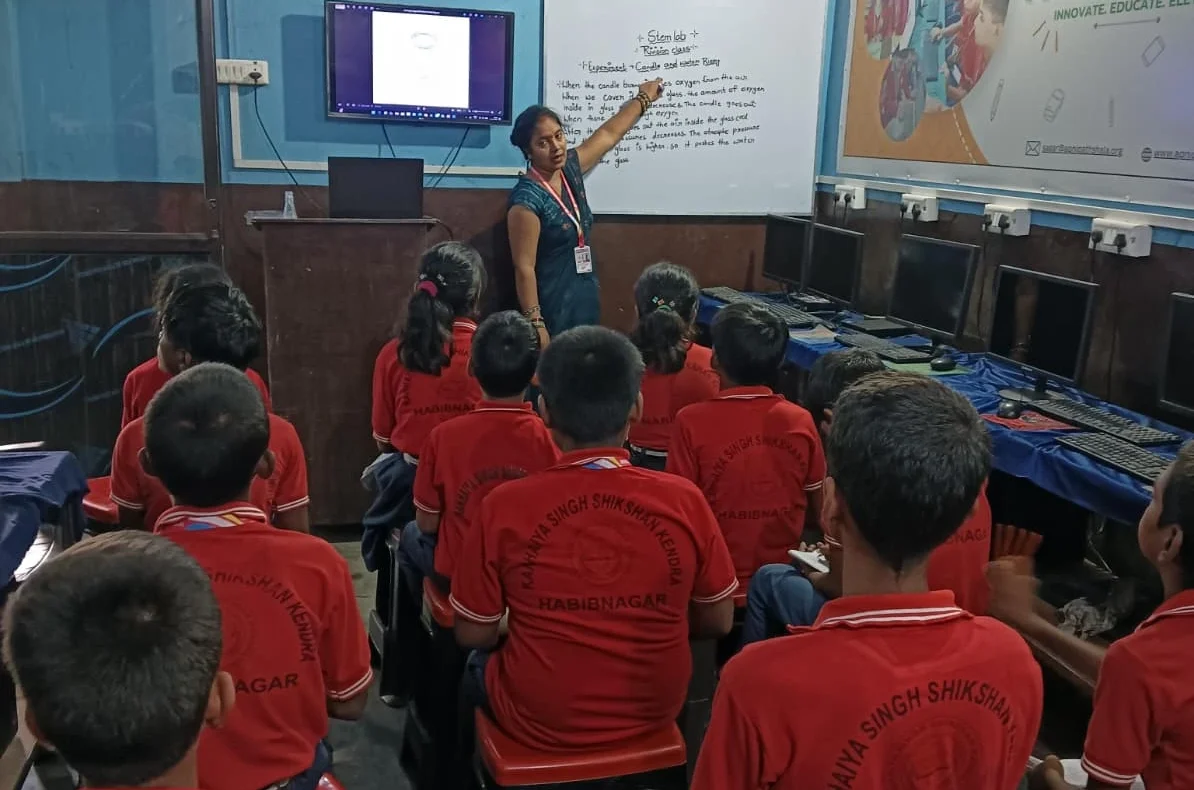
Starting a student tech club is exciting, but keeping it alive requires planning. Here’s what works.
First, set clear goals for your club. Do you want to learn a specific skill? Build projects? Prepare for competitions? When everyone knows the mission, they stay motivated.
Second, create a structured schedule. Consistency matters more than frequency. Meeting every Sunday at 4 PM is better than meeting at random times.
Third, celebrate small wins. When someone completes their first coding project or builds their first website, share it with the group. Recognition keeps people engaged.
Fourth, involve parents and teachers. Show them what your club is doing. When adults see the value, they often provide support like equipment funding or access to school spaces.
The Equipment Question: What Your Club Actually Needs
Here’s where many students get stuck. They think they need expensive computers to run a tech club. That’s not entirely true, but having the right device makes everything easier.
If your club members are working from home, they need reliable computers. This is where having a dedicated educational device changes everything. The Apna PC is designed exactly for this situation. It’s an affordable computer pre-loaded with everything a student needs: Zorin OS, Scratch for coding, LibreOffice for documents, and Apni Prerna for progress tracking.
At Rs. 30,000 (plus shipping and GST), it’s accessible to many families in Tier 2 and Tier 3 cities. With consistent access to a proper computer, club members can work on projects at their own pace. They can take on small online projects for students and actually complete them.
Your club doesn’t need to provide computers to every member. But if 2-3 members have access to good devices, they become the core team that drives projects forward. Others can join in and contribute what they can.
Building Community Beyond Code
The best student tech clubs aren’t just about learning skills. They’re about building friendships and confidence among young people who share interests.
Create a WhatsApp group where members share wins and ask questions. Celebrate birthdays. Share memes about coding struggles. Make it a real community, not just a task list.
Organise offline meetups when possible. Even once a month at a local cafe or school can strengthen bonds. Bring laptops and work on projects together.
Connect your club to larger movements. Look at Education in India initiatives and see where your club fits in. Maybe you can participate in national coding competitions or contribute to open-source projects.
Your Next Step
Building a student tech club from home is absolutely possible. You don’t need permission, fancy equipment, or years of experience. You just need passion, a plan, and commitment to showing up consistently for your members.
Start this week. Pick 5 people who’re interested. Choose a platform and a time. Pick your first project. That’s it. Your student tech club begins with that first meeting. Visit apnapc.com to learn more.