

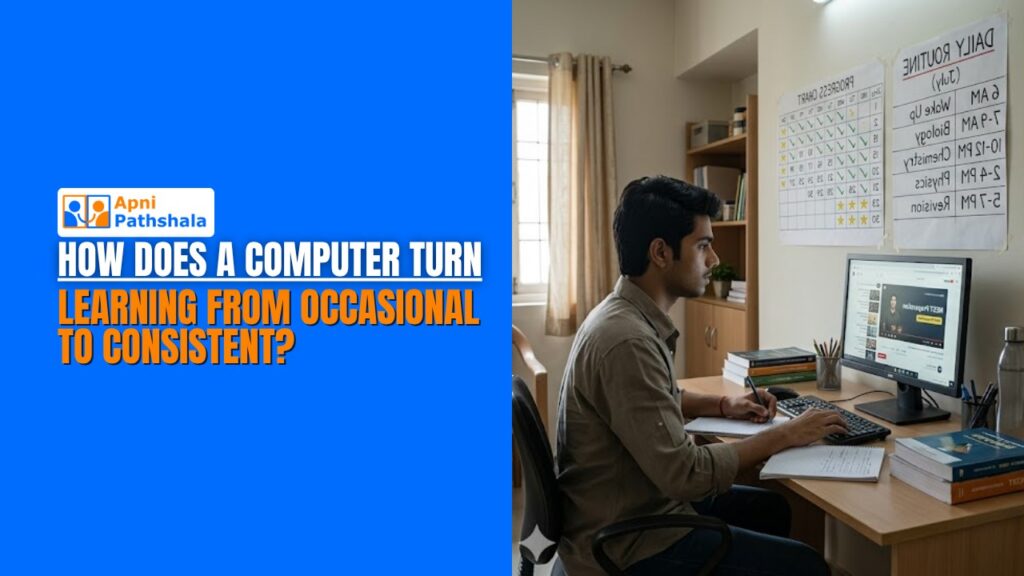
Most students study, but not every day or in depth. Some days they open a book. Some days they don’t. Learning stays surface-level because when something is not clear, there is no easy way to go deeper. A proper computer at home completely changes this. It turns learning from something that happens occasionally into a daily habit. That is the real importance of computers in education, not just faster access to information, but a fundamental shift in how consistently a student actually learns.
The Benefits of Computers for Students Go Much Deeper Than People Think
When most people talk about why computers help students, they mention typing assignments faster or watching YouTube videos. But the benefits of computers for students go far beyond that; they reshape how students interact with knowledge every single day.
A computer gives a student:
- The ability to revisit a concept as many times as needed, without waiting for the teacher to explain it again
- Access to explanations in multiple formats, video, diagrams, and text, until one finally clicks
- A dedicated workspace that separates study from distraction, unlike a shared phone
- Practice tools like mock tests, quizzes, and writing exercises all in one place
These are not small advantages. Over a full school year, they compound into a big difference in how much a student understands, retains, and can apply. The student with a computer at home is not just doing more, they are learning more effectively.
The Role of Technology in Education Has Fundamentally Shifted
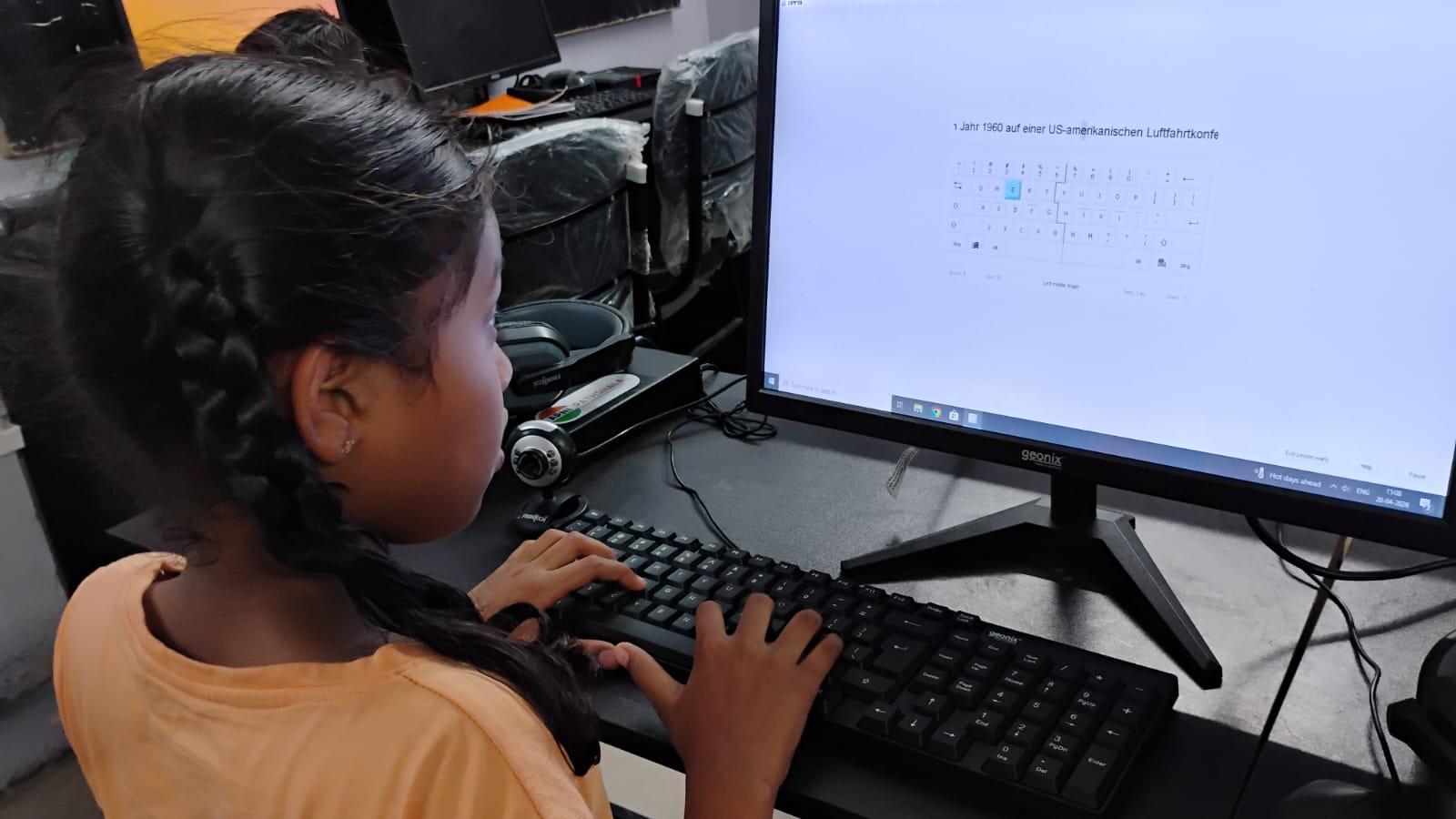
A decade ago, the role of technology in education was limited to occasional computer lab sessions. Today, it is central. Digital tools are woven into how schools teach, how exams are conducted, and how students are expected to prepare outside of school hours.
NCERT (National Council of Educational Research and Training) has moved significant parts of its curriculum and resources online. Board exam preparation platforms, government study portals, and online coaching tools all require a working computer to use properly. A student without one is not just missing a convenience; they are missing core parts of how education functions today.
This shift is not slowing down. It is accelerating. Students who get comfortable with digital tools now will learn faster, adapt better, and be far more prepared for higher education and work. Those who don’t will find the gap widening every year.
Digital Learning Benefits Show Up in Real, Measurable Ways
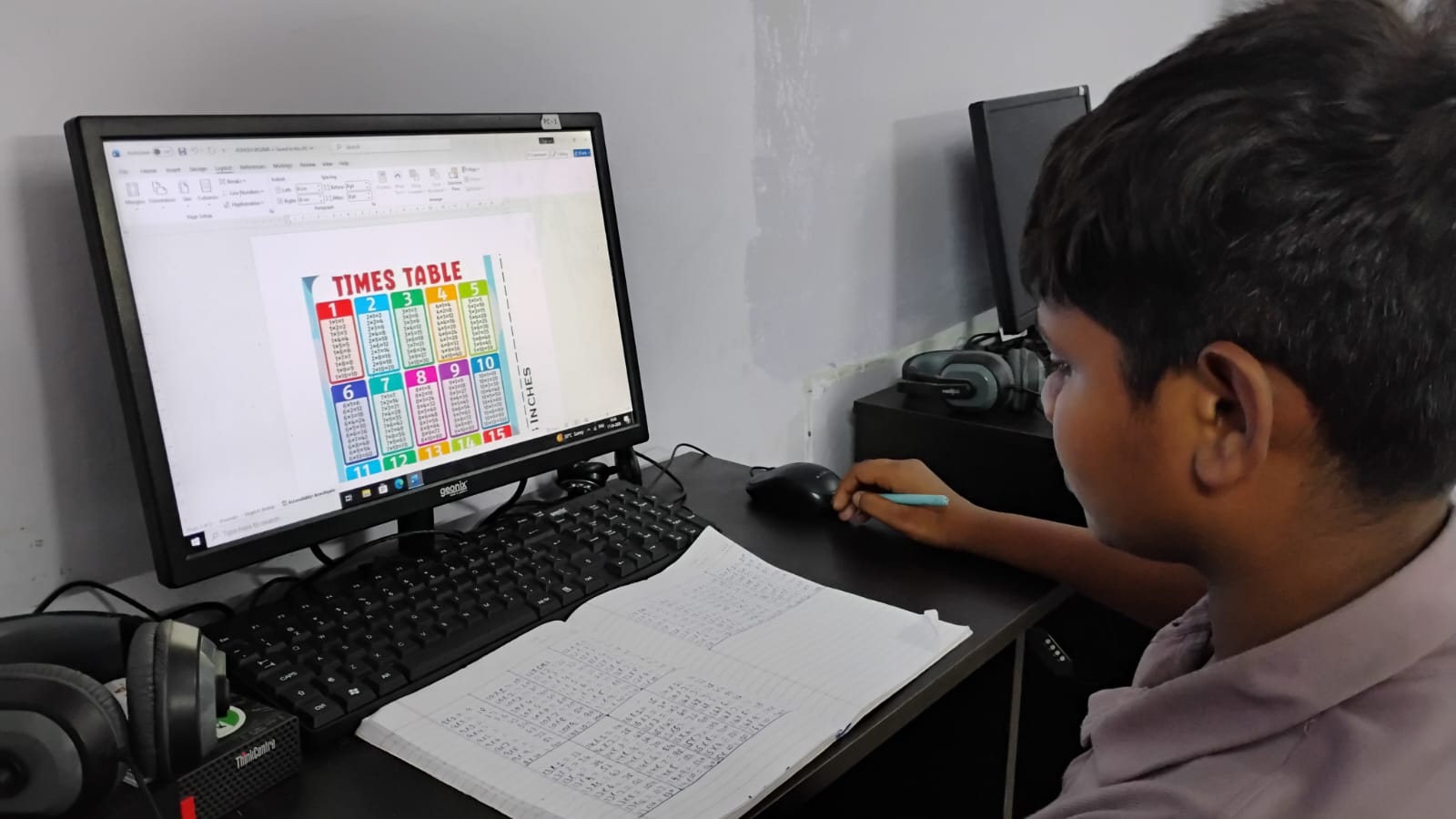
The benefits of digital learning are not abstract. They appear in homework completion rates, exam performance, and student confidence. Research connected to the Digital India initiative consistently shows that students with regular access to digital tools perform better academically than peers who depend solely on textbooks and classroom notes.
Here is what consistent digital learning looks like in a student’s day:
- Missing a concept in class? Find a clear video explanation the same evening
- Preparing for board exams? Take mock tests and get instant feedback on weak areas
- Struggling with a subject? Explore it through visual tools, examples, and different teaching styles
- Finishing early? Go deeper into a topic that the syllabus only touches on
All of this is possible with one reliable device at home. Not a smartphone, too small, too distracting, and too limited for serious study. A proper computer dedicated to learning.
Consistency Is What Apna PC Was Built to Deliver
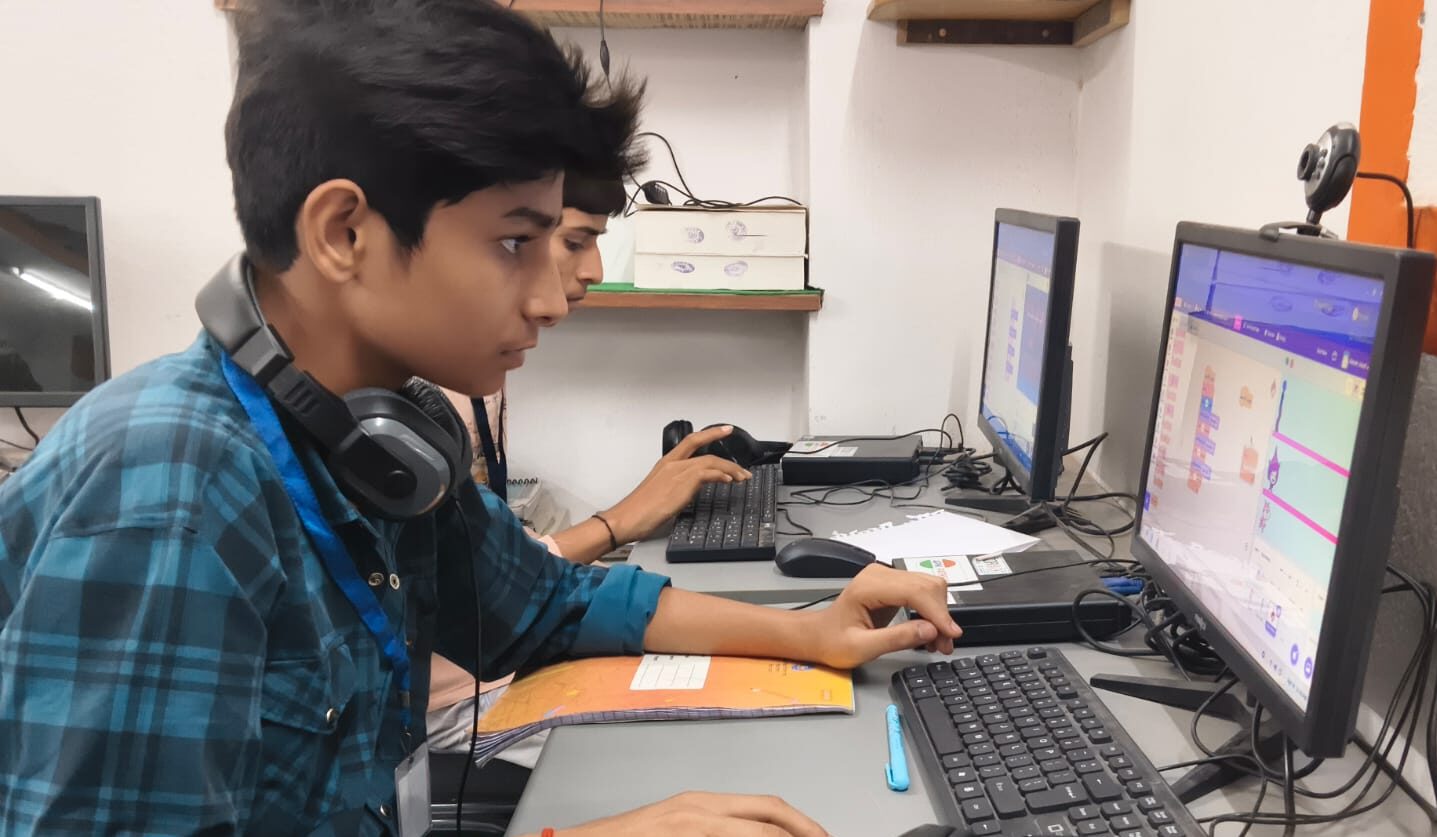
The biggest reason students fall behind is rarely a lack of intelligence or effort. It is a lack of consistency. They study when they feel motivated and skip when they don’t. Without the right environment and the right tools, habits never fully form.
A computer changes this dynamic. And Apna PC was built to make that change accessible for every Indian family, priced at ₹21,000 (shipping and GST excluded), designed for real homes in India, and built within the Apna Pathshala | Eklavya | Apni Prerna ecosystem. That means it is not just hardware. It is a complete learning setup backed by structured educational support.
As covered in Why Every Indian Student Needs Their Own Computer, shared devices, phones, tablets passed between siblings create constant interruptions that break study habits before they can form. A dedicated device removes that friction and enables consistency.
And if you are wondering whether waiting a little longer is fine, The Hidden Cost of Not Having a Computer in 2026 explains exactly what a student loses with every month they go without one.
Consistency is the difference between a student who almost learns something and one who truly does. Give your child the tools to build that consistency every day. Visit apnapc.com to learn more.