

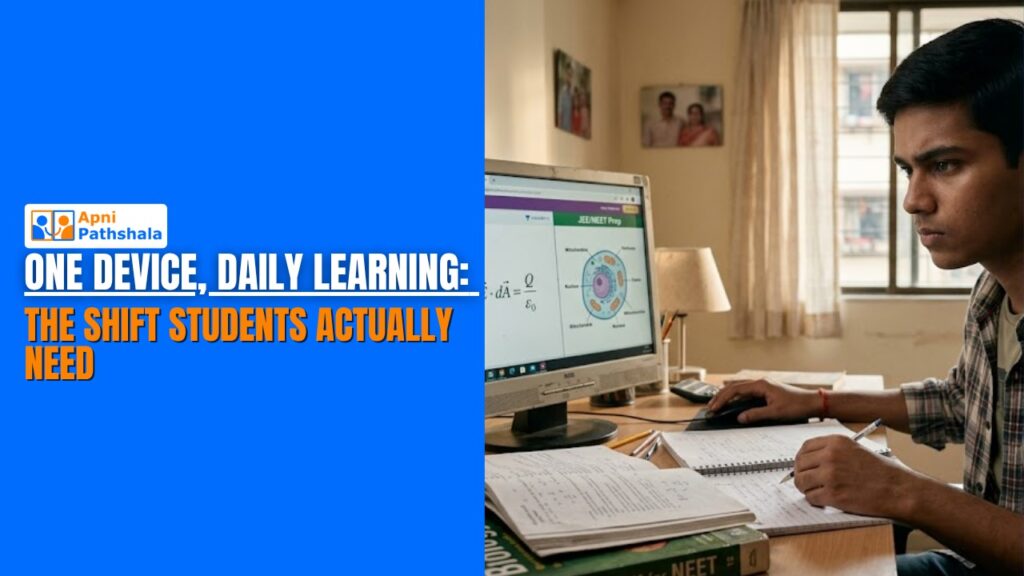
The shift most students need is not a new tutor, a better coaching centre, or a stricter study schedule. It is simpler and more fundamental than any of those. It has one device, their own, available every day for learning. A computer for students that is not borrowed, not shared, not rationed out in 30-minute windows between family members. One device, used daily, with intention. That single change quietly transforms how a student studies, how much they retain, and how confidently they approach every exam and opportunity ahead.
Why Daily Access Changes Everything?
Consistency is how learning works. A student who studies a subject for forty-five minutes every day builds more genuine understanding than one who studies the same subject for five hours once a week. The brain consolidates knowledge during sleep and rest, but only if it has been given that knowledge to consolidate in the first place. Daily, repeated exposure to material is not just a good habit. It is how memory and understanding are physically built.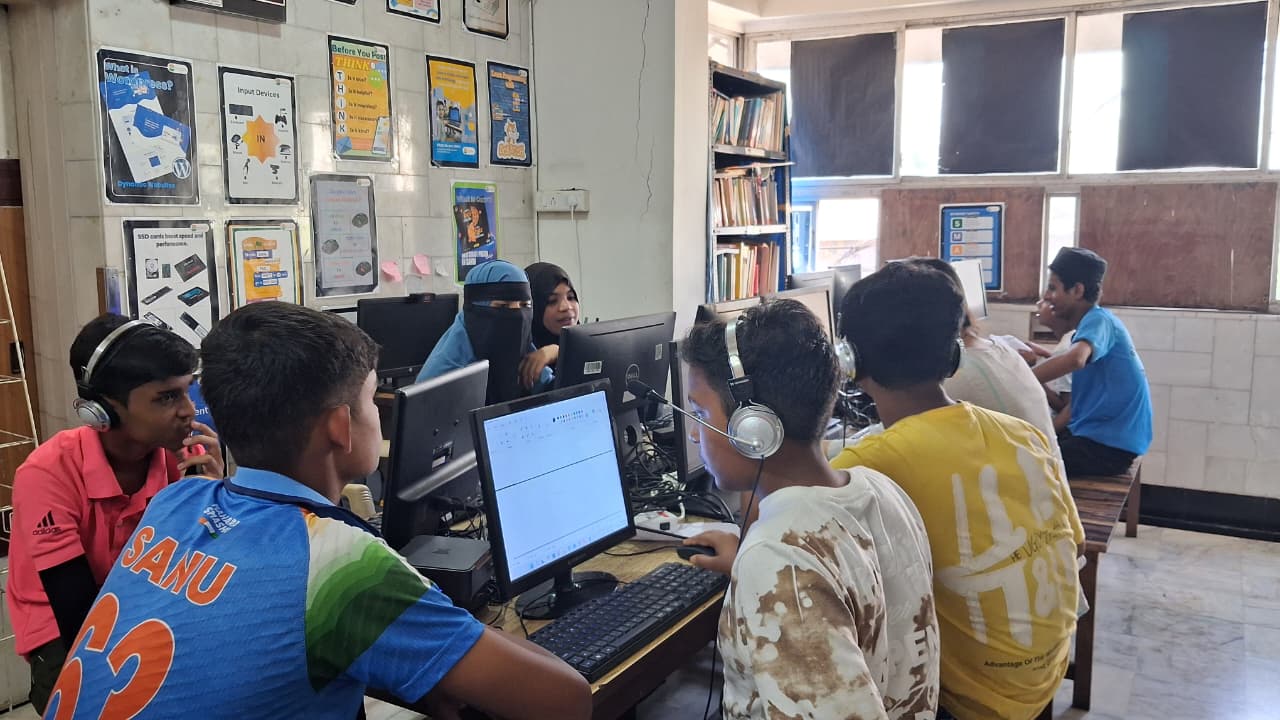
A personal computer makes daily learning possible in a way that shared devices and borrowed phones simply cannot. When a device is always available, a student can open it and study when the motivation strikes, not when the phone happens to be free. They can return to a topic they were thinking about. They can complete a practice test without watching the clock for when someone else needs the screen back.
This kind of frictionless, daily access to learning is what separates students who consistently improve from students who study hard around exams and forget everything in between.
The Affordable Computer for Students Most Families Have Not Considered
When families think about buying a computer, the mental image is usually an expensive, branded laptop, ₹40,000 minimum, often more. For a household in a smaller city or town where that represents months of savings, the conversation ends before it begins. The assumption becomes: computers are for families who can afford them, and we will manage without.
But an affordable computer for students does not have to mean compromised quality or limited capability. It means a device that is built specifically for what a student needs, educational software, reliable performance, a proper screen and keyboard, without paying for features a student will never use.
The cost of not having a computer is rarely calculated. It shows up in tuition fees paid because a student could not access free online resources. It shows up in coaching centre charges that a student with digital access would not have needed. It shows up in the slower development of skills that every employer and college now expects. Measured against those costs, a one-time investment in a dedicated educational device looks very different from an expense. It looks like a saving.
Digital Learning for Students India Needs to Normalise
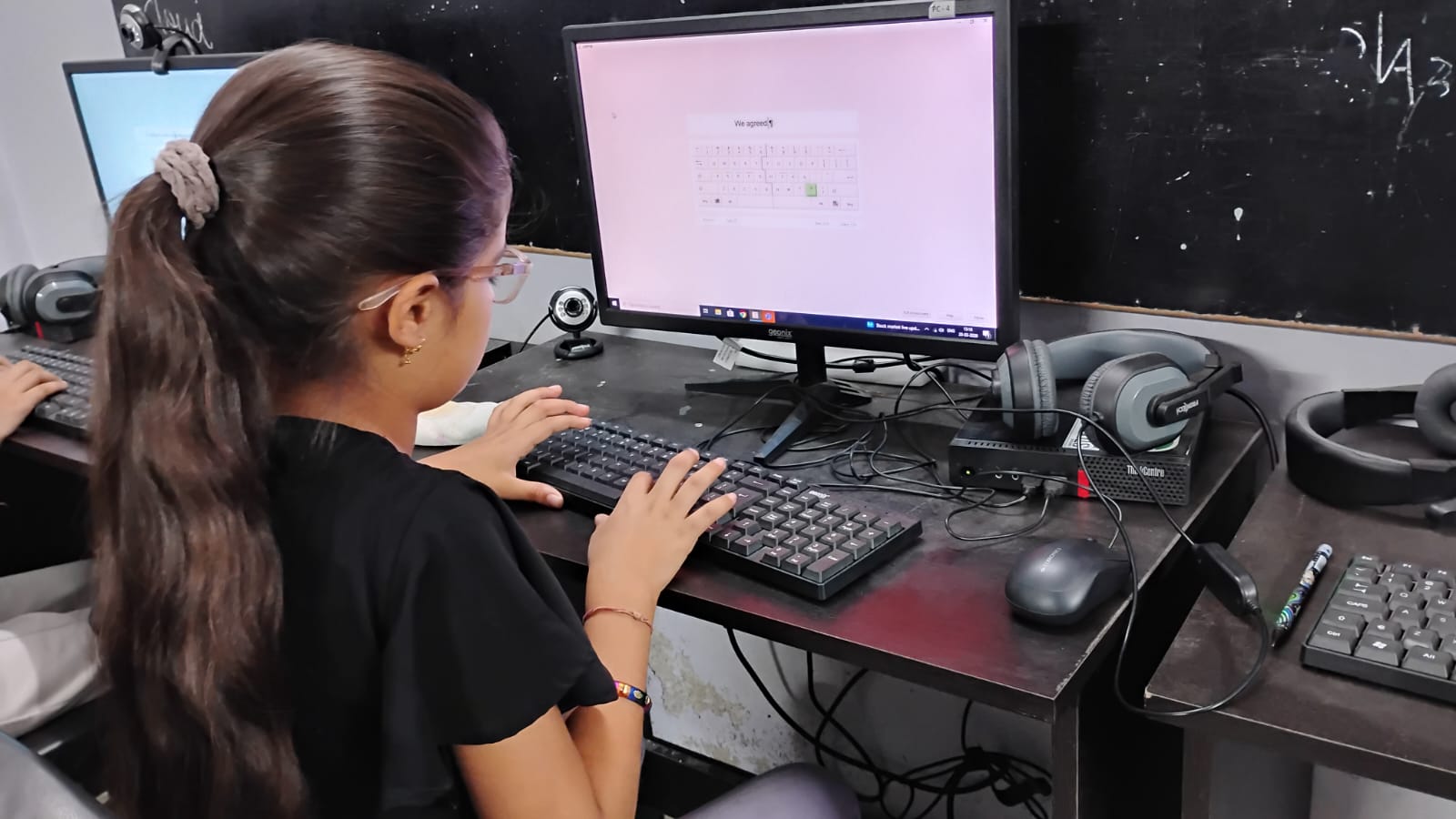
Digital learning for students in India is not about premium EdTech apps or paid subscriptions. It is about giving every student access to the vast ecosystem of free, high-quality educational content that already exists, and that is inaccessible without a device to use it on.
NCERT textbooks, CBSE sample papers, previous years’ board exam questions, DIKSHA video lessons, NTA mock tests for JEE and NEET, Khan Academy explanations, National Digital Library resources, all of it is free. All of it is available to any student with a computer and an internet connection. The barrier is not the content. The barrier is the device.
A student with daily computer access can build an entire self-directed learning system from these free resources, one that covers their school syllabus, prepares them for competitive exams, and develops digital fluency simultaneously. No coaching required. No expensive subscriptions. Just a device, a routine, and the willingness to use what is already available.
According to NCERT’s learning guidelines, self-directed study using structured resources is among the most effective approaches to building the deep conceptual understanding required by board exams and competitive tests. The National Testing Agency provides free mock tests and past papers for every major national exam, with the material accessible the moment a student has a suitable device.
Benefits of Computers for Students That Compound Over Time
The benefits of computers for students are not one-time. They build on each other throughout a student’s education.
In Class 6, a student with a computer starts developing typing speed, comfort with digital tools, and the habit of looking things up. By Class 8, they are navigating educational platforms independently, practising problems, and building a revision routine. By Class 10, they arrive at board exams with four years of self-directed learning behind them, a foundation that students without that access are scrambling to build in the final months before the exam.
The same compounding applies to digital fluency. A student who uses a computer throughout school arrives at college and in the job market genuinely comfortable with technology, not just familiar with a phone, but capable with software, confident with keyboards, and adaptable to tools they have never seen before. These are not small advantages. In a competitive environment, they are decisive.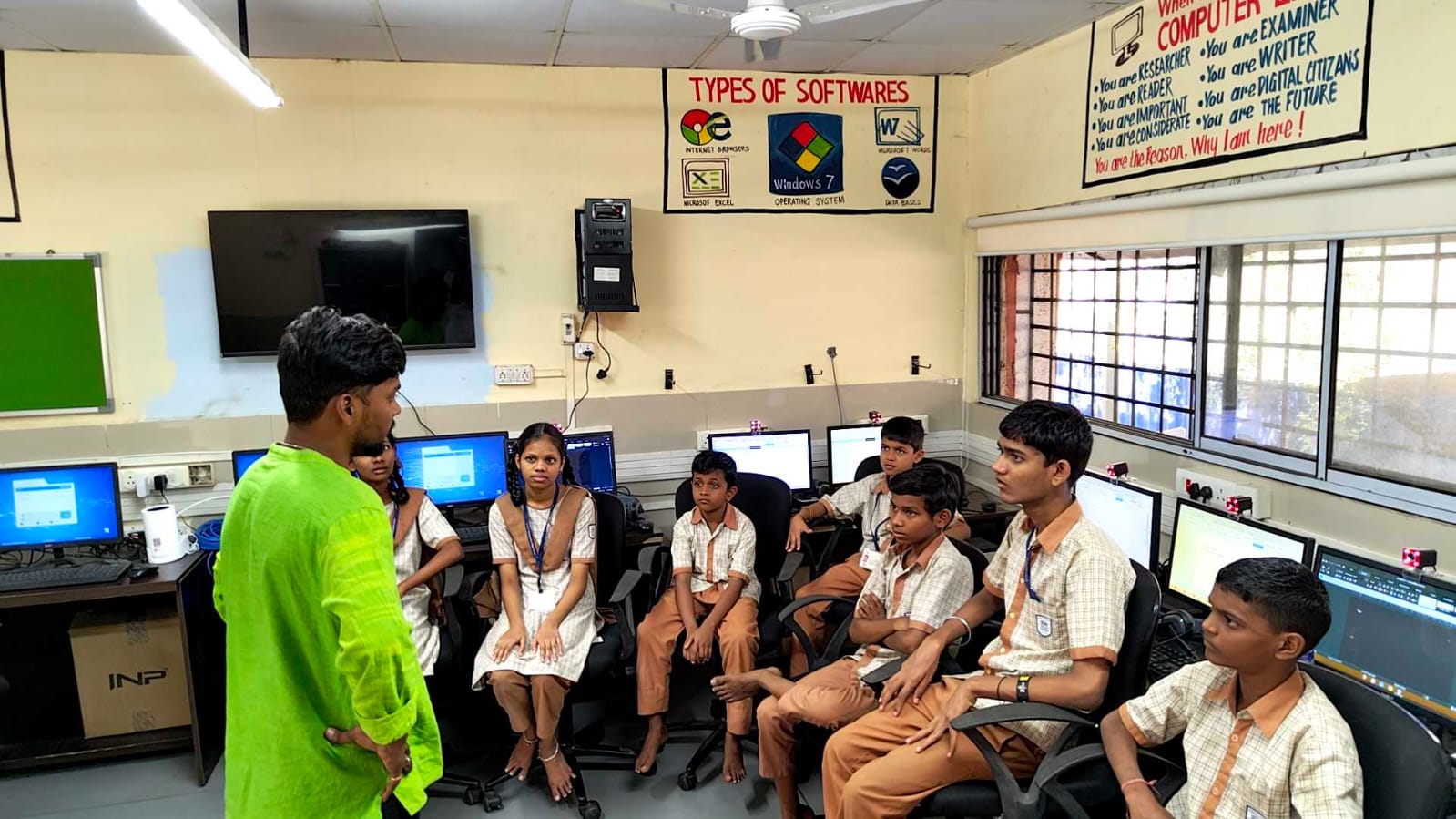
Beyond academics, daily computer use builds problem-solving instinct, research habits, and the ability to learn independently, qualities that matter in every career and at every stage of life.
One Device That Makes the Shift Real
Apna PC is built for exactly this shift. At ₹21,000 (shipping and GST excluded), it gives Indian students, especially in Tier 2 and Tier 3 cities, a dedicated educational computer designed for daily learning. Not a hand-me-down, not a shared family device, but a proper computer built to support the full range of what a student needs: revision, practice, research, and the development of real digital skills.
Read how Apna PC builds digital access and equal learning opportunities for students across India, and why giving a child their own device is one of the most impactful decisions a family can make for their education.
The Shift Is Simple. The Impact Is Not.
One device. Used every day. That is the shift. It does not require a new school, a new teacher, or a new curriculum. It requires a student to have consistent, personal access to a tool that enables independent learning. The students who have that access are not inherently smarter or more motivated. They simply have what they need to go as far as their effort can take them. Visit apnapc.com to learn more.