

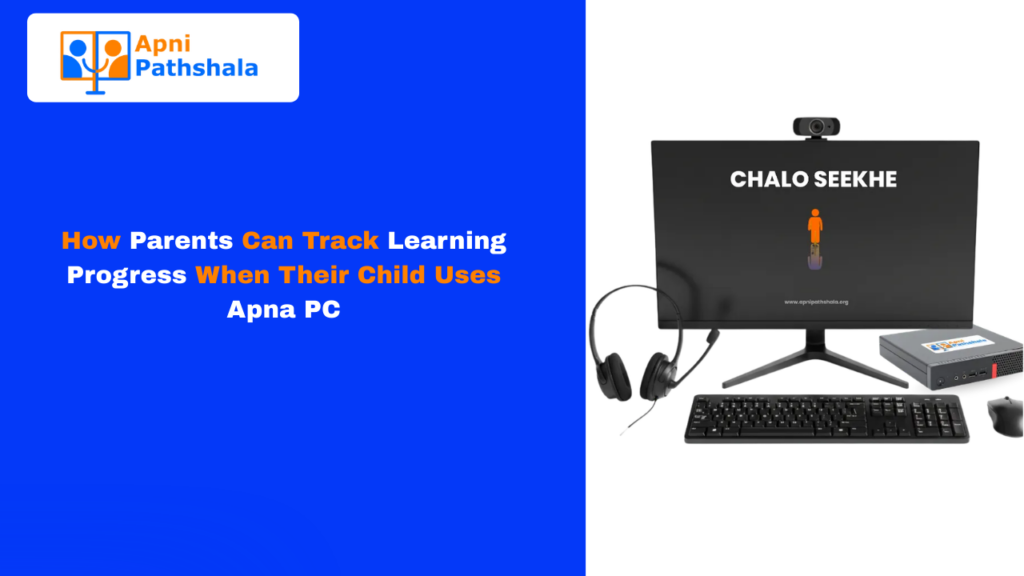
Most parents want to be involved in their child’s education, but it’s not always easy to know what’s actually happening when a kid sits down with a computer. Are they learning? Practicing? Or just watching videos and playing games? This question is at the heart of a challenge every parent with a digitally active child faces.
When your child uses Apna PC, you don’t have to guess. There are practical ways to stay informed about what your child is doing, how they’re progressing, and where they might need a little extra support.
Start With the Built-In Learning Tools
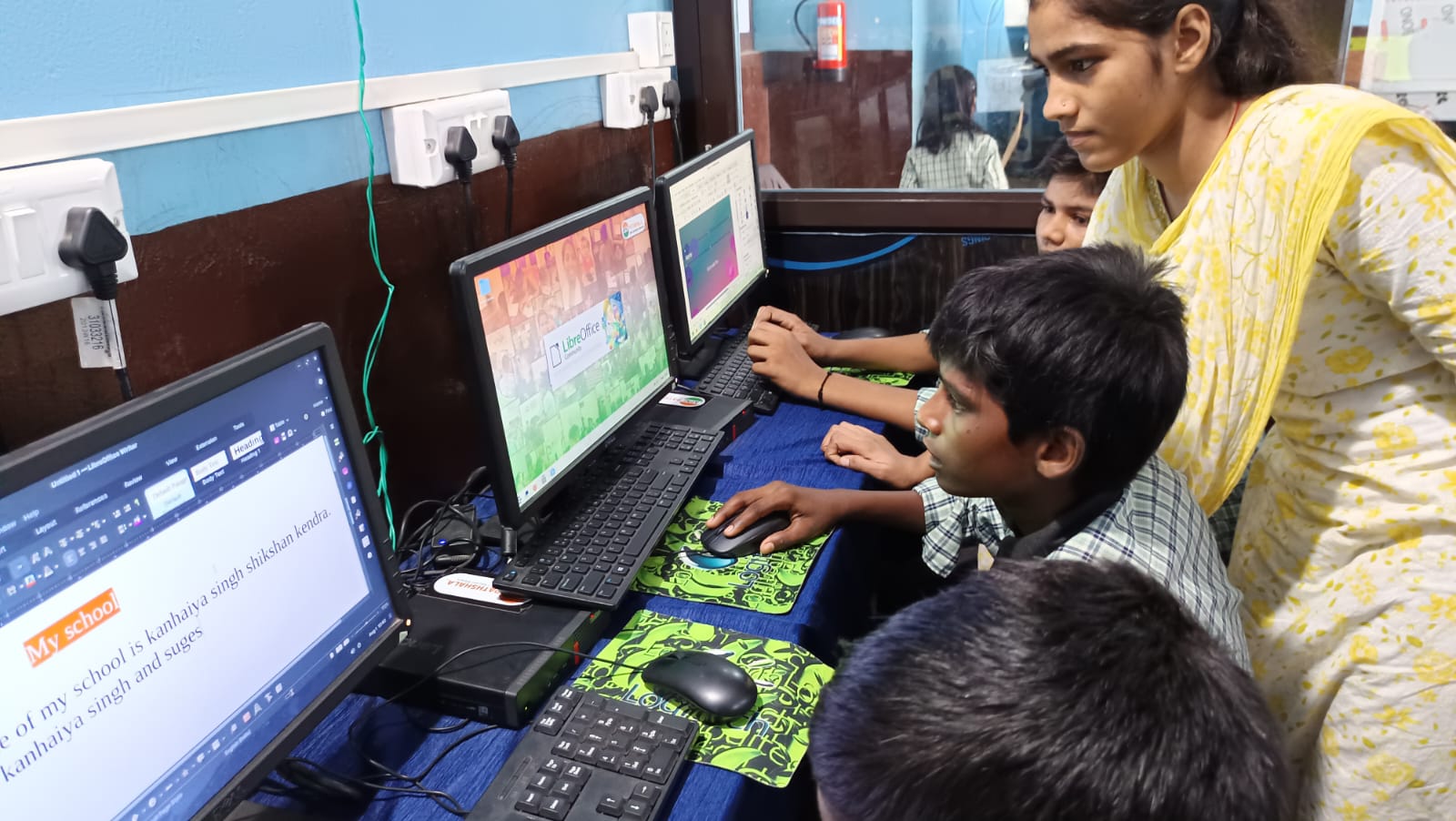
Apna PC comes with educational software that often includes progress tracking as a built-in feature. Many of the learning apps on the system let students work through modules, take quizzes, and earn milestones and parents can see this progress by simply opening the app and checking the activity history.
This isn’t about hovering over your child’s shoulder. It’s about having a clear picture of where they’re spending their learning time and whether they’re moving forward. If your child has been working on math for two weeks but hasn’t progressed past the same level, that’s useful information it might mean the topic is genuinely difficult and they need support, not that they’ve been lazy.
Set Up a Weekly Check-In Routine
One of the most effective approaches is making progress reviews a normal part of the week. Not an interrogation just a relaxed conversation where your child shows you what they’ve been working on. “Show me what you learned this week” is a very different dynamic than “Let me check what you’ve been doing.”
When children know they’ll be sharing their learning with a parent, they tend to engage more purposefully. The expectation of a conversation creates gentle accountability without pressure. It also gives you real insight into what’s clicking for your child and what isn’t.
According to UNICEF’s guidance on child development and parental involvement, children whose parents are actively interested in their learning tend to develop stronger motivation and better learning habits over time. It’s the quality of the involvement that counts, not just the quantity.
Build a Learning Portfolio Using Saved Work
Encourage your child to save their work documents they’ve written, projects they’ve created, notes from topics they’ve studied. Over a month, this folder becomes a genuine portfolio of their learning. You can sit down together and look through it, celebrate what they’ve done, and talk about what they want to explore next.
This approach also teaches something valuable: that their work matters and is worth keeping. It gives children a sense of ownership over their education that’s difficult to create through test scores alone. You’re not just tracking progress you’re building pride in learning.
Pairing Apna PC with an app like Apni Prerna gives you even more structured visibility into your child’s digital learning activity. You can check how Apni Prerna makes student learning visible through a unified dashboard and see the full picture of what your child is doing at the computer.
Use School Feedback as a Benchmark
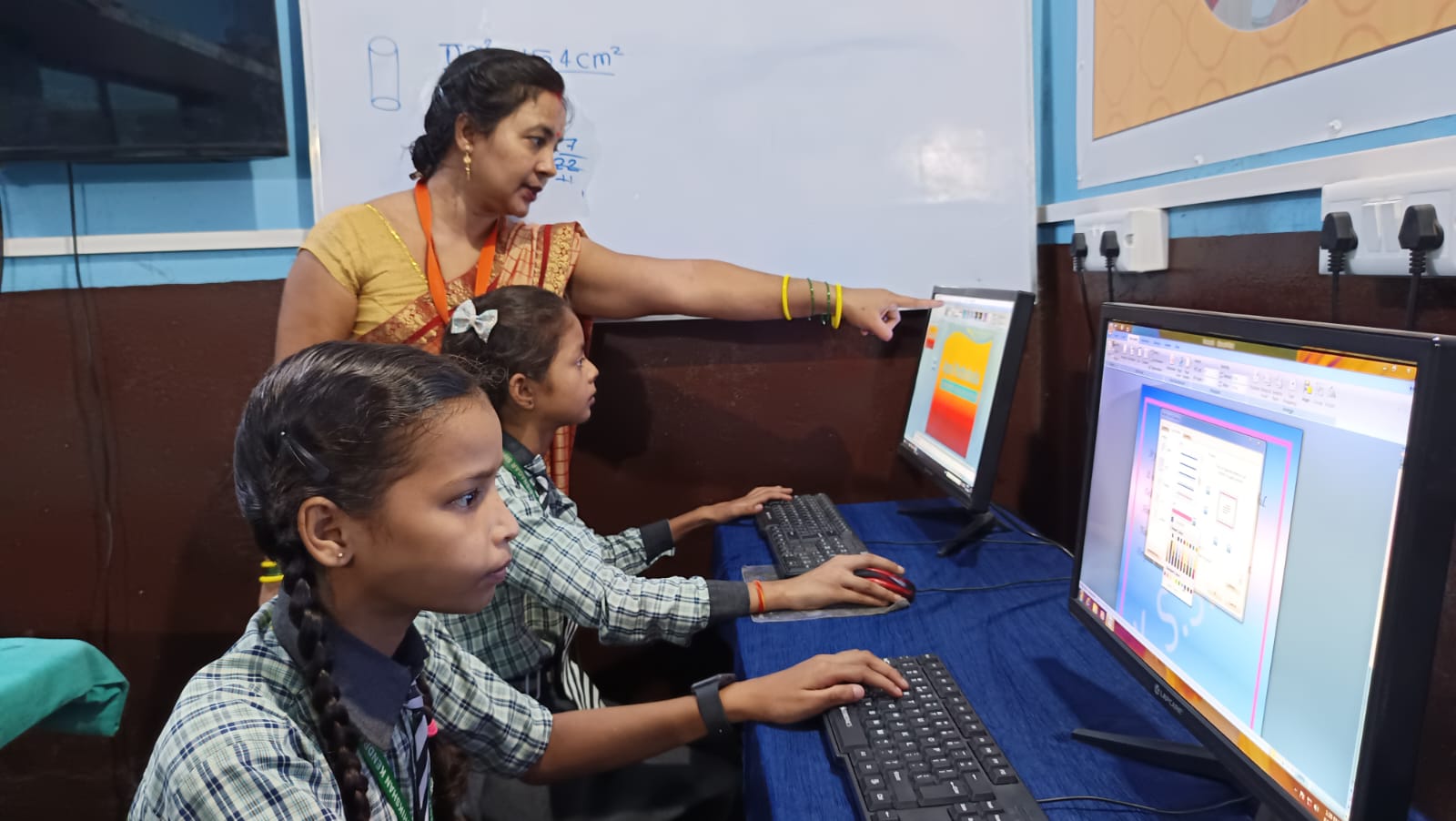
Your child’s school performance is the most direct measure of whether digital learning at home is translating into real academic growth. If they’ve been using Apna PC for independent study and their class participation or test scores improve, that’s meaningful feedback.
The NCERT’s learning outcomes framework provides grade-wise benchmarks that parents can use to assess whether their child is on track. Compare what your child is exploring on Apna PC against these benchmarks to get a clearer picture of whether the device is helping them fill gaps or move ahead of the curve.
Tracking Is About Support, Not Surveillance
The goal of tracking your child’s learning progress isn’t to catch them slacking. It’s to understand where they are so you can support them better. When you know your child is struggling with fractions, you can find extra resources. When you know they’ve suddenly become fascinated with geography, you can encourage that curiosity. Engaged parents raise better learners and Apna PC makes it easier to stay genuinely engaged.