

The Experiment That Changed Everything
In 2014, a group of researchers at the University of California gave students a simple task. One group could check their phones whenever they wanted while studying. The other group had their phones placed in a separate room.
The results weren’t even close. Students without their phones nearby scored 20% higher on a comprehension test. Not because the phone group was scrolling through Instagram the whole time. Many of them didn’t even touch their phones. Just knowing the phone was there, knowing they could check it, was enough to split their attention.
That study changed how researchers think about focus. And it has massive implications for how we understand screen activity and student performance.
Your Brain on Unmonitored Screen Time
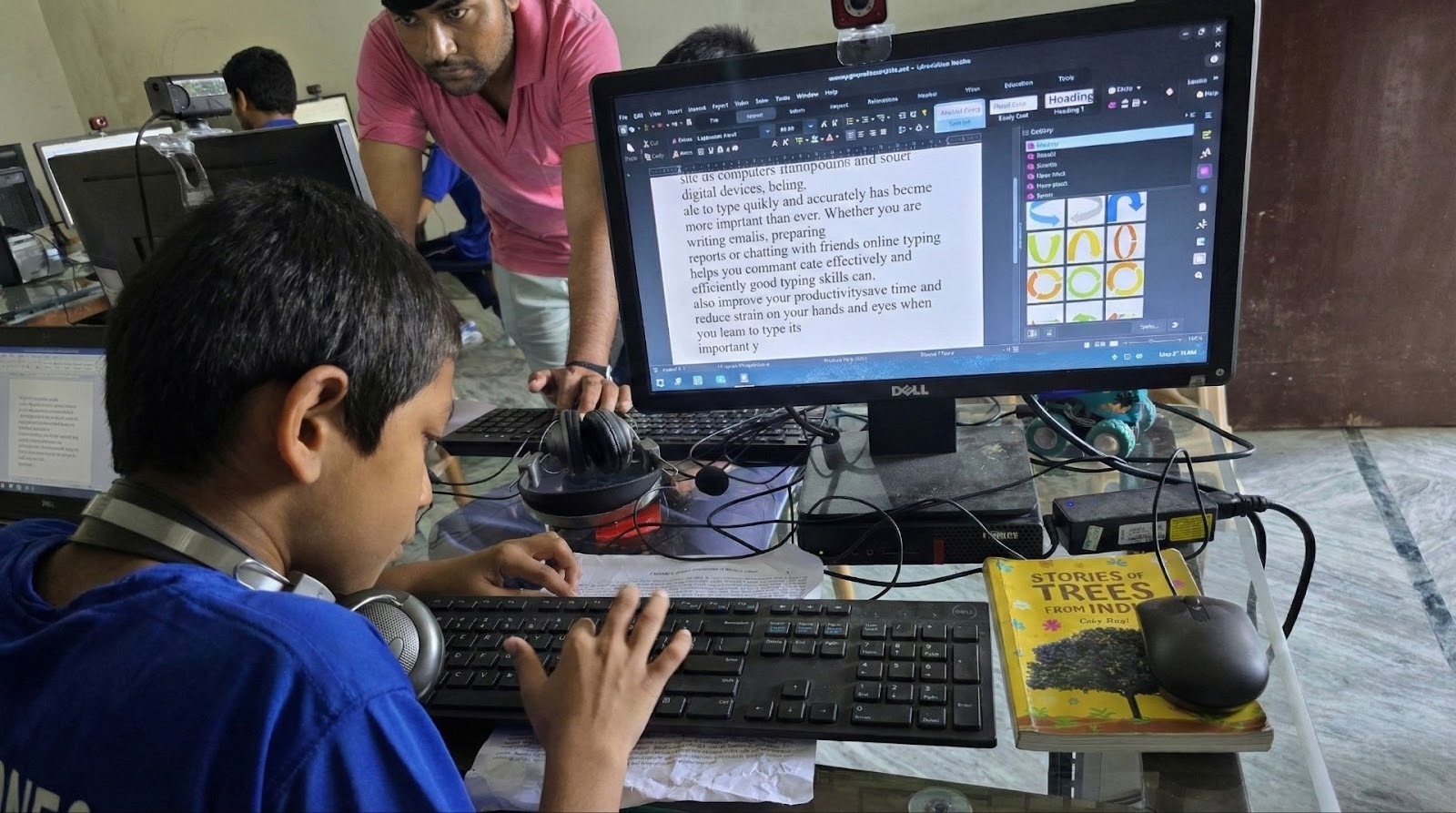
Here’s what happens inside a student’s brain when there’s no structure around their screen usage. Every few minutes, a tiny voice says, “Check something.” Open a new tab. Switch to a game. Watch just one video.
Each switch costs something. Scientists call it “context switching,” and it takes the brain anywhere from 15 to 25 minutes to fully refocus after a distraction. So a student who checks a message, watches a quick clip, then goes back to studying? They’ve just lost twenty minutes of deep focus. Even if the distraction lasted two minutes.
Now multiply that across a study session. A child who switches between studying and entertainment five times in an hour has effectively studied for maybe 15 solid minutes. The rest was lost to their brain resetting.
According to UNICEF’s research on children and digital media, structured screen time with clear boundaries leads to significantly better cognitive outcomes than unrestricted access.
Why Kids Can’t Self-Regulate (And That’s Normal)
Before we blame kids for getting distracted, here’s something important. The prefrontal cortex, the part of the brain responsible for self-control and planning, doesn’t fully develop until the mid twenties. That means a 12-year-old literally does not have the neural hardware to consistently resist digital distractions.
It’s not a willpower problem. It’s a biology problem. And the solution isn’t punishment or lectures. It’s structure.
How Tracking Changes the Equation
This is where it gets interesting. Studies consistently show that when people know their activity is being observed, they make better choices. It’s called the Hawthorne effect, and it works on kids just as well as it works on adults.
When a student knows their screen activity is being tracked through something like Apni Prerna, they don’t suddenly become robots who only study. They still play games. They still watch videos. But the ratio shifts. Knowing that someone will see what they did changes the internal calculation from “will I get caught?” to “is this how I want to spend my time?”
That subtle shift in mindset is incredibly powerful.
It’s Not About Surveillance. It’s About Awareness.
There’s an important distinction here. Tracking screen activity isn’t the same as spying. Monitoring and spying are fundamentally different things. Spying is secret and punitive. Monitoring is transparent and supportive.
When parents tell their child, “I can see what you do on the computer, and I’m not going to punish you for watching videos, but I want us both to see how you’re spending your time,” something changes. The child starts self reflecting. They start noticing their own patterns.
That awareness is the foundation of every good habit.
The Evidence From Indian Classrooms
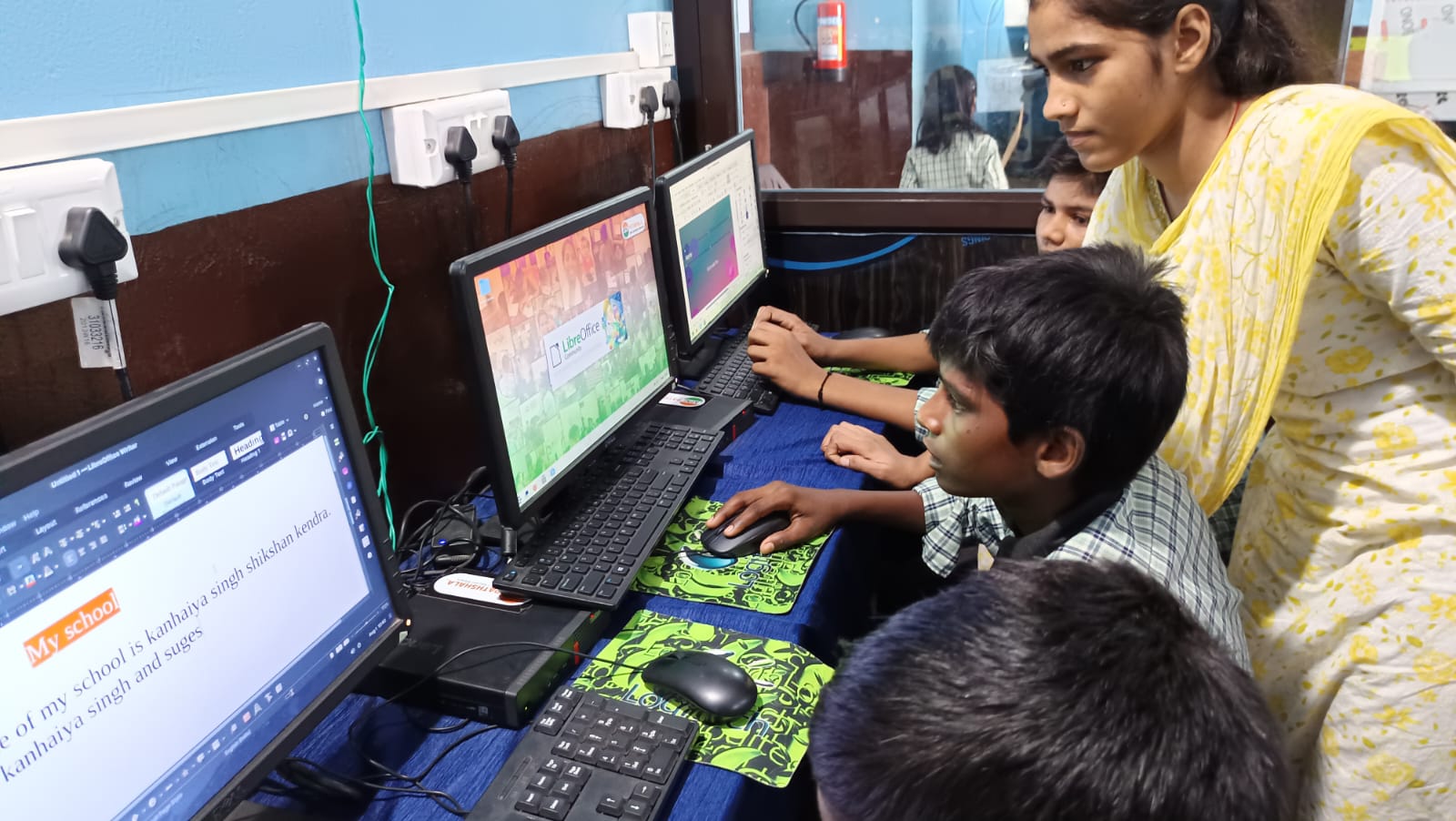
Schools that have implemented Apni Prerna alongside Apna PC computers report consistent improvements in student focus. Not dramatic overnight changes, but steady, meaningful shifts.
Teachers in a Pune school noticed that after introducing activity tracking, students voluntarily spent more time on educational applications during free computer periods. Nobody forced them. They simply became more conscious of their choices.
A school in Jaipur found that students who reviewed their own activity reports weekly showed improved scores in the following month’s assessments. The act of looking at their own data and seeing “I spent 4 hours on games and 1 hour studying” was more powerful than any lecture a teacher could give.
NCERT’s framework for ICT in education emphasizes that technology should promote self-directed learning. Activity tracking, done right, does exactly that.
What Parents Should Take Away From This
The science is clear. Unstructured, unmonitored screen time leads to fragmented attention and lower academic performance. Structured screen time with gentle monitoring leads to better focus, better habits, and better results.
You don’t need to install anything invasive. You don’t need to read every message your child sends. You just need a tool that shows you how they’re spending their computer time and a willingness to have honest conversations about what you both see.
Apni Prerna was built for exactly this. It gives you the data. You provide the conversation. Together, they create an environment where your child can actually focus, learn, and grow without feeling controlled or watched.
That’s not surveillance. That’s parenting in the digital age. And the science says it works.