


In today’s digital world, children grow up surrounded by technology. While devices can sometimes be distracting, they can also become powerful tools for building one of the most important life skills time management. Learning how to manage time effectively helps children stay organized, reduce stress, and achieve their goals both academically and personally.
Teaching time management with technology is not about adding more screen time. It is about using digital tools wisely to create structure, discipline, and focus.
Why Time Management Matters for Children
Time management is a skill that shapes success. Children who learn to manage their time early tend to:
- Complete tasks on time
- Balance study and play
- Reduce last-minute stress
- Build responsibility and independence
When supported by the right digital tools, this skill becomes easier and more engaging to develop.
1. Use Digital Calendars and Schedulers
Digital calendars are simple yet powerful tools. Teaching children to use a digital calendar helps them visualize their daily and weekly plans.
You can encourage them to:
- Mark homework deadlines
- Schedule online classes
- Plan study sessions
- Set reminders for important tasks
Seeing tasks organized visually helps children understand how time flows throughout the day.
2. Introduce Task Management Apps
Task management apps designed for students can break big assignments into smaller steps. This makes work feel manageable instead of overwhelming.
Children learn to:
- Prioritize tasks
- Check off completed work
- Track progress
- Plan ahead
This builds confidence and a sense of accomplishment.
3. Set Timers for Focused Study Sessions
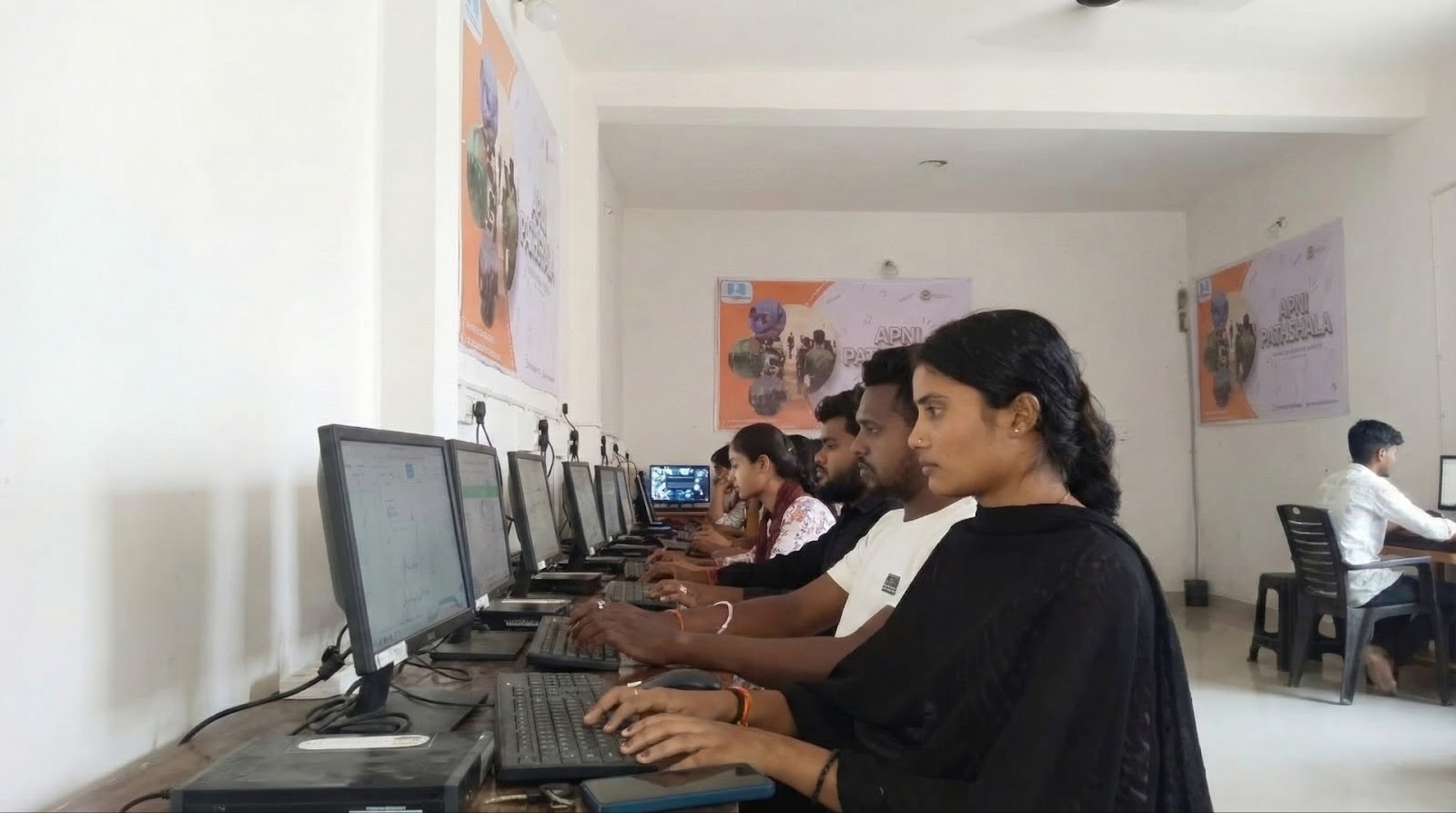
The use of timers can teach children how to concentrate for specific periods. Techniques like short focused sessions followed by breaks help improve productivity.
For example:
- 25–30 minutes of focused study
- 5-minute break
- Repeat
This approach improves attention span and prevents burnout.
4. Teach Digital Goal Setting
Technology can help children set and track goals. Encourage them to define small daily or weekly learning goals.
For example:
- Finish two math chapters this week
- Read 20 pages daily
- Practice typing for 15 minutes
Tracking goals digitally makes progress visible and motivating.
5. Monitor Screen Time Wisely
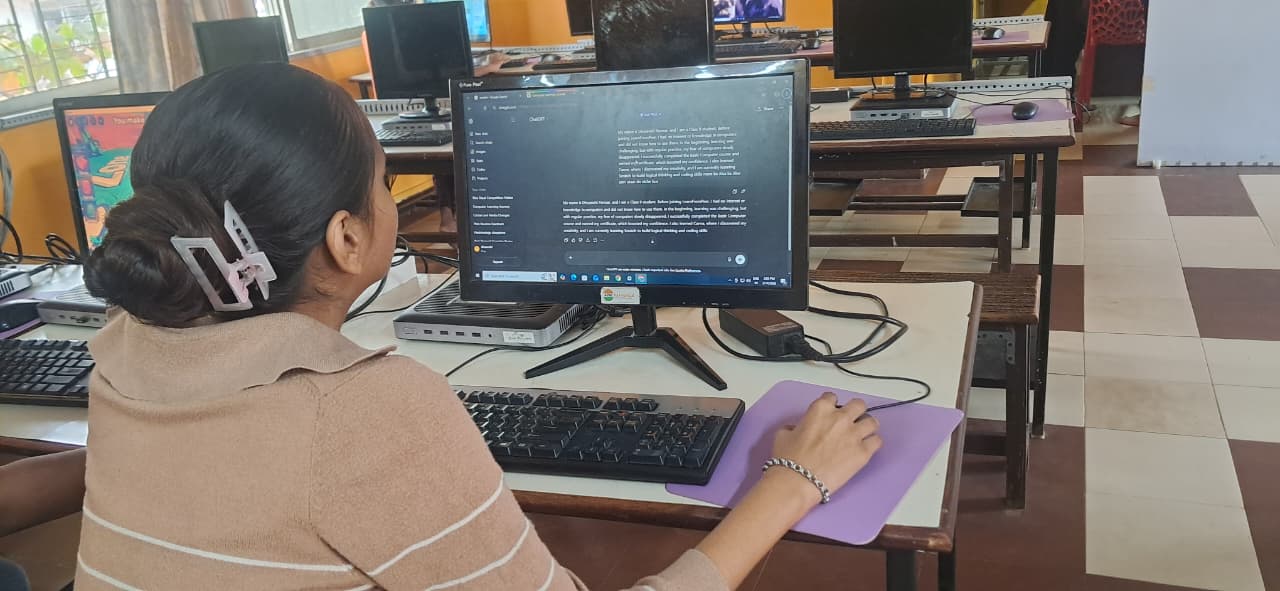
Teaching time management also means understanding limits. Many devices provide screen-time tracking features.
Use them to:
- Review daily usage
- Identify distractions
- Adjust learning and entertainment balance
This helps children become aware of how they spend their time.
6. Encourage Reflection at the End of the Day
At the end of the day, ask your child to reflect on how they used their time.
Questions can include:
- Did you finish what you planned?
- What distracted you?
- What can you improve tomorrow?
This habit builds accountability and planning skills.
7. Balance Technology With Offline Planning
While digital tools are helpful, combining them with offline habits strengthens time management. Encourage children to:
- Write daily to-do lists
- Use planners or notebooks
- Review tasks before bed
Blending digital and traditional methods creates better discipline.
8. Be a Role Model
Children observe adult behavior closely. Demonstrate healthy time management by:
- Planning your own tasks
- Limiting unnecessary screen use
- Following schedules consistently
When children see balanced tech usage at home, they are more likely to follow it.
9. Avoid Over-Scheduling
While structure is important, overloading children with too many tasks can lead to stress. Allow space for:
- Free play
- Creativity
- Rest
Balanced time management includes relaxation and flexibility.
10. Celebrate Small Improvements
Learning time management takes practice. Celebrate progress such as:
- Completing assignments on time
- Reducing distractions
- Sticking to a schedule
Positive reinforcement builds motivation.
Conclusion
Technology can either waste time or help manage it the difference lies in how it is used. By introducing digital calendars, task apps, timers, and reflection habits, parents and educators can teach children how to use technology as a productivity tool.
When children learn to manage their time effectively, they gain confidence, independence, and lifelong discipline. With the right guidance, technology becomes a partner in building strong, responsible habits for the future.