


Rajesh’s Dilemma: Why His Son’s Phone Isn’t Working for Studies
Rajesh sits in his small shop in Indore, scrolling through his phone. His son Arjun, a Class 9 student, asks for a smartphone to “study better.” Rajesh has heard this before. Last year, he bought Arjun a second-hand phone thinking it would help with online classes. Six months later, Arjun’s marks dropped. The phone became a distraction machine. Rajesh realised that phone vs computer learning isn’t just about having a device; it’s about having the right device.
You face the same choice today. Should your child study on a phone or a computer? The answer isn’t simple, but the consequences are real. Let’s explore why a phone cannot replace a computer for serious student learning.
Screen Size and Comfort: Your Child’s Eyes Matter
A phone’s small screen forces your child to squint. They lean closer. Their neck bends at awkward angles. After 30 minutes of studying on a phone, eye strain sets in. After two hours, headaches follow.
A computer screen is larger. Your child sits at a proper desk with correct posture. The distance between eyes and screen matches what doctors recommend. You can learn more about reducing eye strain during study sessions with the right setup.
Think about math homework. On a phone, a single math problem takes up the entire screen. Your child can’t see the full problem and their working space at the same time. On a computer, they see the problem, their notebook, and their calculation area all together. This isn’t a small difference; it changes how well they learn.
Phone vs Computer Learning: The Multitasking Trap
Your phone is designed for one thing: notifications. A message pops up. A game alert arrives. A social media notification flashes. Your child’s brain switches focus 47 times per hour (that’s not an exaggeration; research shows this).
A computer used for studying can be different. You control what appears on screen. You can block distractions. You can set up a focused learning environment. Your child’s attention stays on the textbook, not on WhatsApp.
When your child studies on a phone, they’re not just studying. They’re fighting their phone’s design. The phone wins most of the time.
Typing and Writing: Building Real Skills
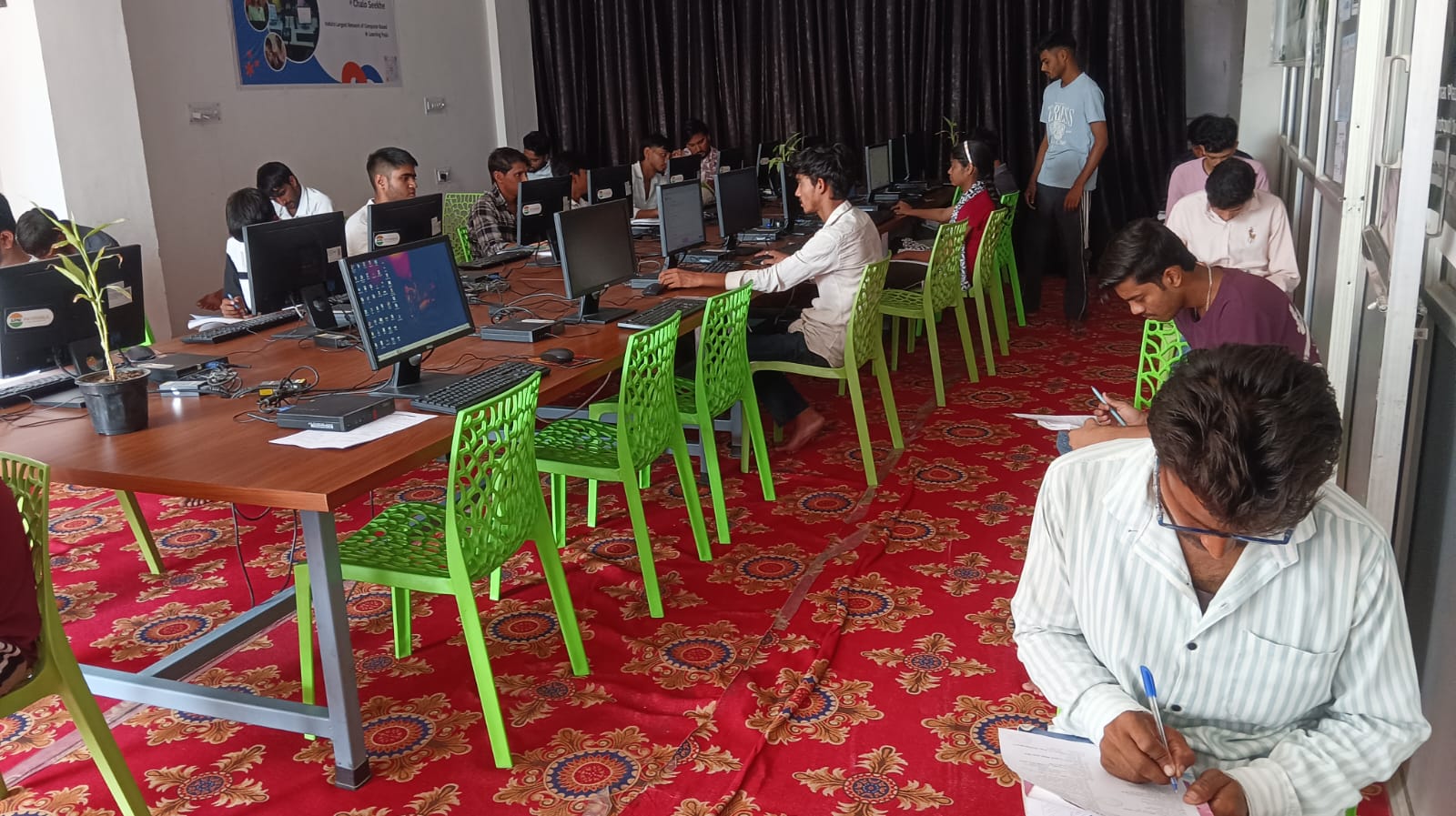
How does your child submit assignments? Type essays? Create presentations? On a phone, typing is slow and painful. Autocorrect creates mistakes. Formatting is nearly impossible.
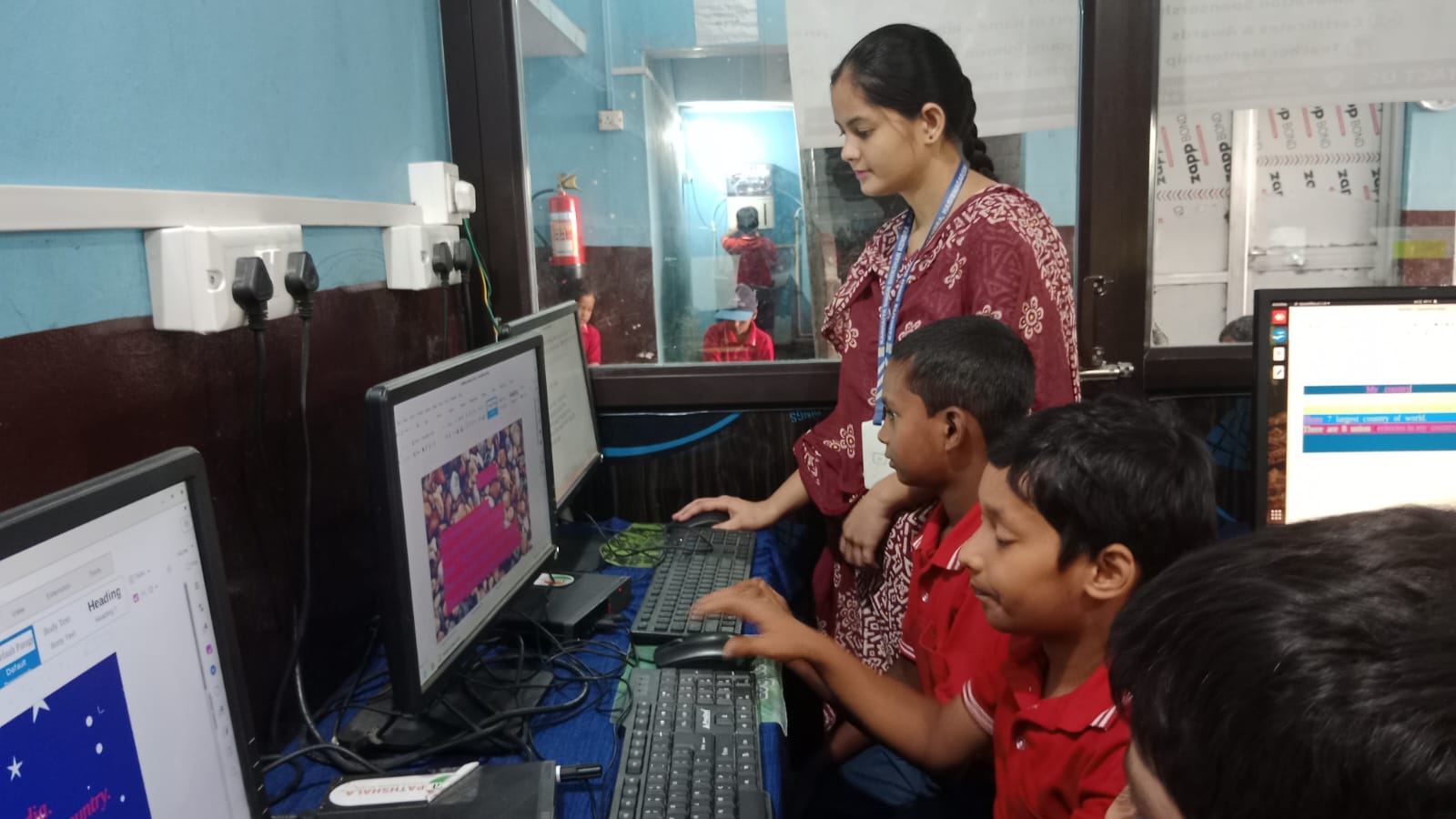
On a computer, your child learns to type properly. They format documents. They use LibreOffice or similar tools to create professional-looking work. These aren’t just “computer skills”; they’re survival skills for higher education and jobs.
A personal computer teaches your child how to work like an adult. A phone teaches them how to consume content, not create it.
Software and Learning Tools: What’s Actually Available
Your child’s school recommends specific software. Science simulations. Coding platforms. Project design tools. Most of these don’t work well on phones. They crash. They lag. They frustrate.
A proper computer runs these tools smoothly. Your child can do project-based learning properly. They can code in Scratch. They can build 3D models. They can create presentations that actually look good.
This matters for competitive exams too. JEE, NEET, and board exams now include computer-based tests. Your child needs practice on an actual computer, not a phone.
Distraction vs. Focus: The Real Cost
Here’s what actually happens when your child studies on a phone. They open the study app. A notification comes. They check it “just for one second.” Fifteen minutes pass. They’ve read three posts, watched two videos, and replied to four messages. The study app is still open, but learning has stopped.
Phone vs computer learning comes down to this: your child isn’t lazy or undisciplined. Their phone is simply designed to be addictive. Tech companies employ thousands of engineers to make phones impossible to put down.
A computer setup removes this battle. When your child sits at a desk with a computer, the environment itself says, “this is work time.” The phone stays in another room. The mind settles. Learning happens.
Why Phone vs Computer Learning Matters for Your Child’s Future
India’s Digital India initiative focuses on computer literacy, not phone literacy. Schools are setting up computer labs. Online classes use computers, not phones. Why? Because experts know phones can’t do the job.
Your child’s future depends on computer skills. Colleges expect it. Employers demand it. A phone can’t build these skills.
What Your Child Actually Needs
When comparing phone vs computer learning, the choice becomes clear. You don’t need an expensive laptop. You need a reliable computer designed for students. Something like Apna PC, an educational computer built specifically for Indian students. It costs Rs.30,000 (shipping and GST excluded). It comes with everything your child needs: Zorin OS, LibreOffice, Scratch, and Apni Prerna for monitoring progress.
It’s not a luxury. It’s an investment in your child’s education. For the cost of a mid-range phone, you get a tool that actually supports serious learning.
Your child deserves better than a phone for studying. They deserve a real computer. Visit apnapc.com to learn more.