


Rajesh sat at his small shop in Indore, watching his 14-year-old daughter Priya struggle with her online classes. She’d borrowed a tablet from a neighbour, but it kept freezing. Her teacher assigned a project to create a presentation about local businesses, but Priya had no way to build it. She felt left behind compared to her cousins in Delhi who had their own computers. That’s when Rajesh discovered Apna PC, and everything changed for his daughter’s learning journey.
Your child spends hours in school learning theory, but do they get hands-on practice with real-world computer skills? Most students in Tier 2 and Tier 3 Indian cities don’t have access to affordable computers at home. This gap between classroom learning and practical computer skills leaves them unprepared for college and careers. A personal computer isn’t a luxury anymore; it’s becoming essential for every student who wants to compete in today’s digital world.
Why Real-World Computer Skills Matter for Your Child
Real-world computer skills go far beyond what textbooks teach. Your child needs to learn how to create documents, build presentations, code simple programs, and solve problems using technology. Employers look for these practical computer skills when hiring. Schools teach concepts, but students learn best by doing.
When Priya got access to a computer, her confidence grew instantly. She wasn’t just reading about spreadsheets anymore; she was creating them to track her school expenses. She wasn’t just hearing about coding; she was building games with Scratch. This hands-on learning stuck with her in ways that classroom lectures never could.
What Real-World Computer Skills Can Your Student Practice at Home
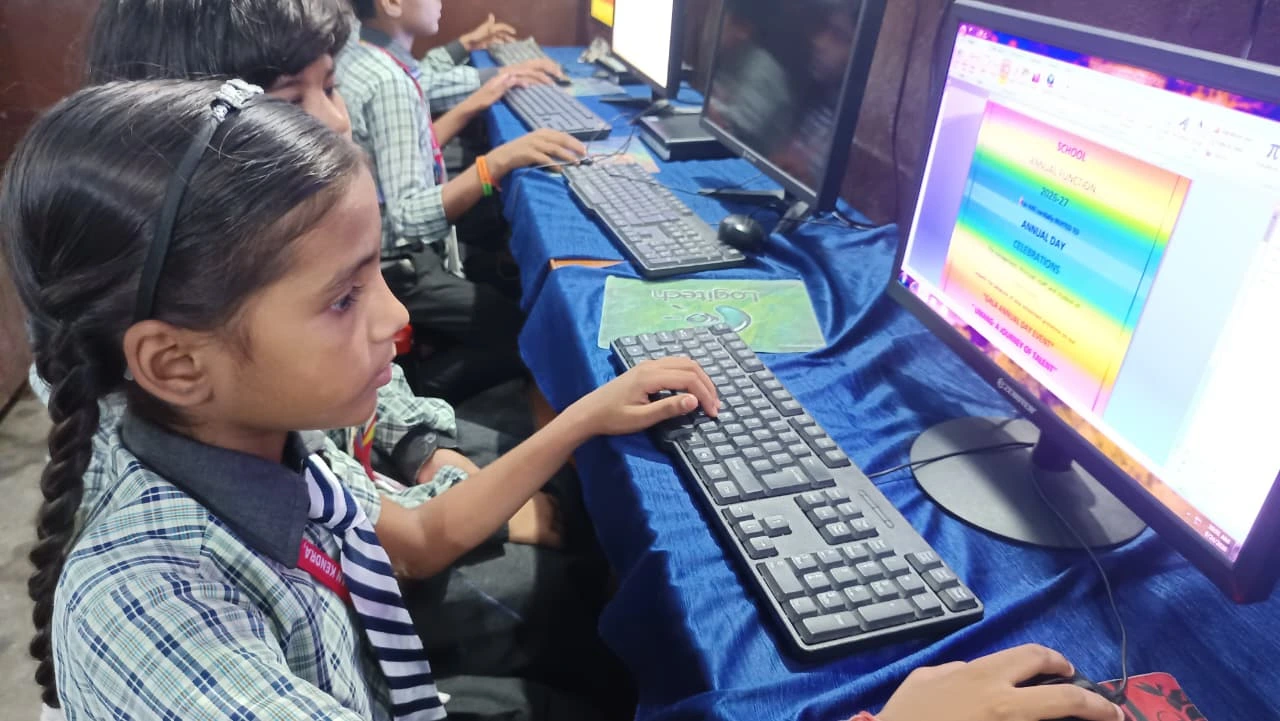
With a proper setup, your child can practice dozens of real-world tasks:
- Document creation and formatting: Writing essays, creating resumes, and formatting reports teaches professional communication
- Presentation building: Making slideshows for school projects develops public speaking and visual design skills
- Basic coding: Learning programming through Scratch introduces logical thinking and problem-solving skills that apply to every career involving a personal computer
- Digital research: Finding reliable sources online and organising information builds critical thinking
- Video editing: Creating content for school projects or personal interests teaches creativity and technical skills
- Online collaboration: Working on group projects remotely prepares students for modern workplaces
Each of these tasks mirrors what professionals actually do in their jobs. Your student isn’t just learning theory; they’re building a portfolio of real skills.
How Apna PC Supports Practical Learning
Apna PC comes pre-loaded with everything a student needs to start practising immediately. It includes Zorin OS, a user-friendly operating system that’s intuitive for beginners. LibreOffice gives your child free access to word processing, spreadsheets, and presentations just like professional software.
The Scratch programming environment comes ready to use, so your child can jump straight into coding projects without complicated setup. With 8GB RAM and 128GB SSD storage, the computer handles multiple applications smoothly without lag. Your student can work on student computer projects without frustration.
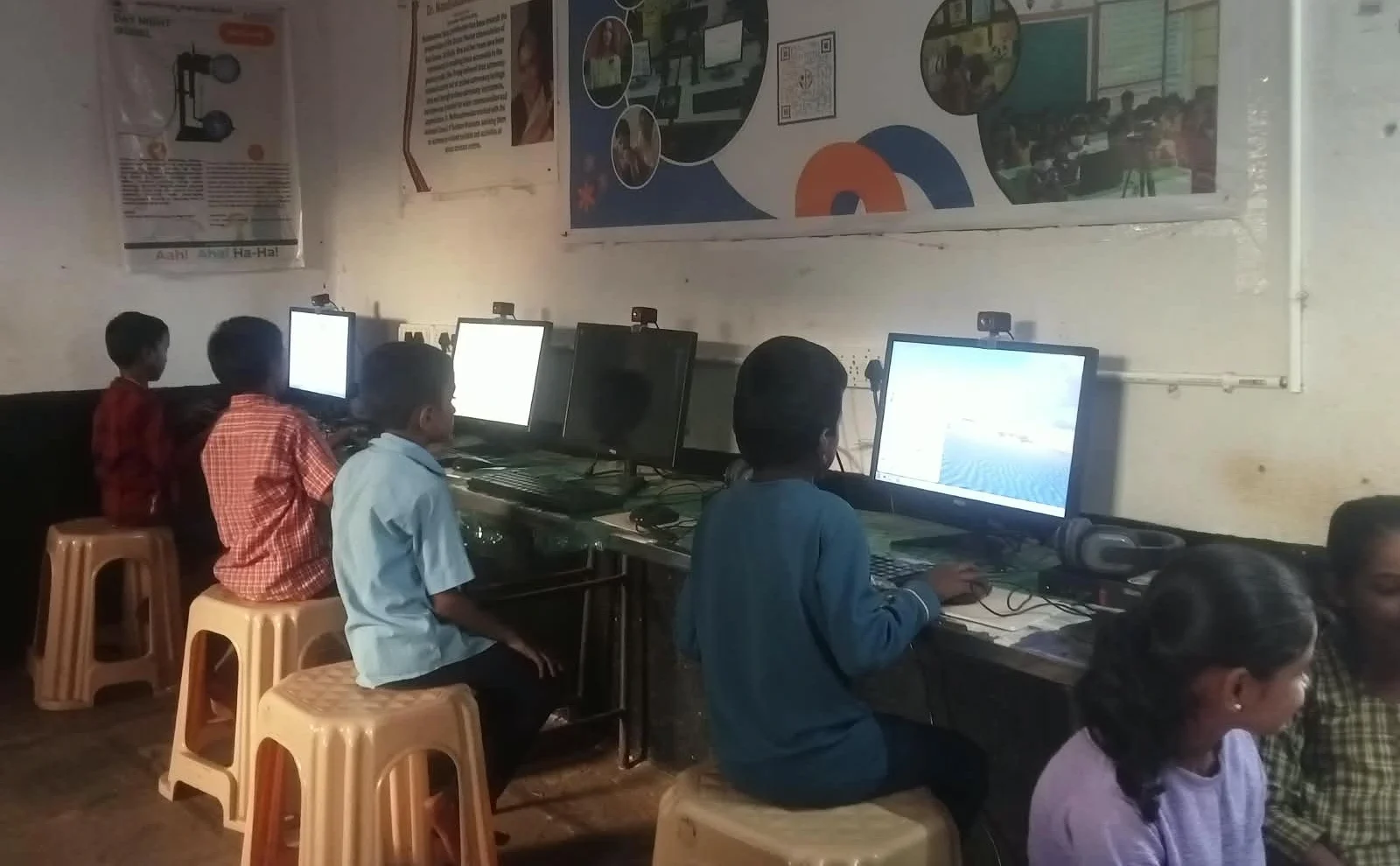
Apna PC also includes Apni Prerna, a student monitoring system that helps parents track learning progress. You can see which applications your child is using and for how long. This gives you peace of mind while your student explores and learns independently.
Building Confidence Through Real-World Computer Skills
Priya’s transformation wasn’t just about having a computer. It was about finally having the freedom to experiment, make mistakes, and learn from them. She spent her first week exploring the software, clicking buttons, watching YouTube tutorials, and figuring things out. By week two, she’d completed her school project with graphics and animations. By week three, she was teaching her younger brother how to use the programs.
This is what happens when students get access to real-world computer skills. Confidence grows. Curiosity expands. They stop being passive learners and become active creators. Your child will develop problem-solving abilities that go way beyond computers.
The Digital India initiative has pushed for digital literacy across the country, but access remains a challenge. Apna PC, created by Apni Pathshala, bridges this gap with an affordable solution designed specifically for Indian students. At Rs.30,000 (shipping and GST excluded), it’s an investment in your child’s future that pays dividends through their education and career.
Your student deserves the chance to practice real-world computer skills just like students in big cities. Don’t let geography or budget hold them back from learning the digital skills that will define their generation. Visit apnapc.com to learn more.