

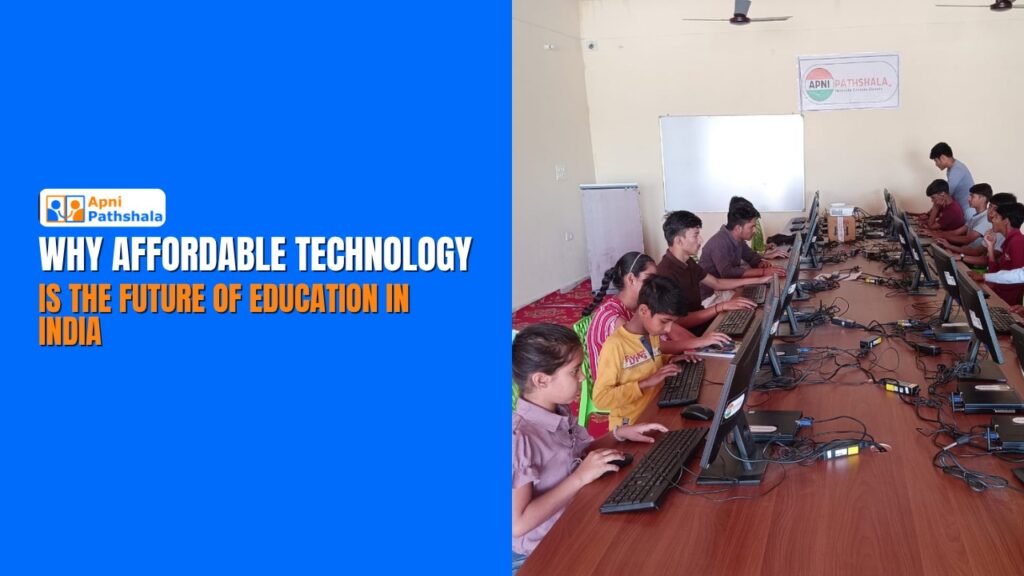
Sruthi was 14 when her school got its first computer lab. She remembers pressing the power button for the first time, watching the screen glow to life, and feeling like the whole world had just opened a door for her. She didn’t know what she wanted to be yet. But she knew, sitting there in that small classroom, that whatever it was, she could actually reach it now.
That moment isn’t rare anymore. It’s happening in homes and schools across India, in small towns and big cities alike. And it’s happening because affordable technology is finally reaching the students who need it most. The affordable technology future of education is not just a phrase. It’s becoming a lived reality, one device at a time. This isn’t just about screens and keyboards. It’s about the right to learn with the same tools as everyone else.
The Gap That Technology Is Closing
India has always had brilliant students. What it hasn’t always had is equal access. A child in a metro city learns with a laptop, a fast internet connection, and digital tools built into the curriculum. A child in a smaller town often makes do with a chalkboard and outdated textbooks. That gap isn’t about intelligence. It’s about access, plain and simple.
Affordable technology is changing this equation. When a good computer costs less than a semester’s coaching fees, more families can say yes. And when students say yes to technology, they’re saying yes to a wider world.
Why Price Is the First Barrier
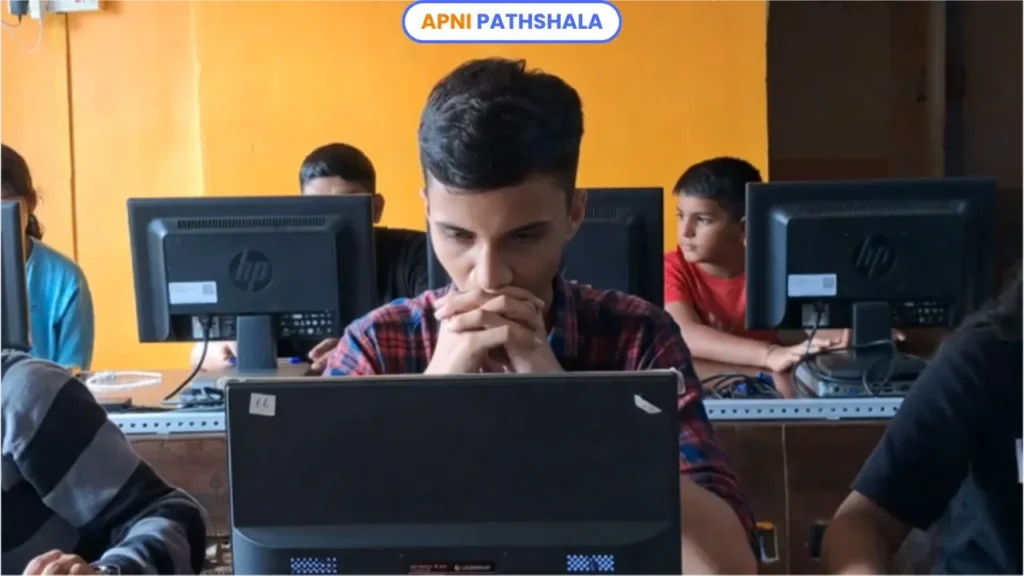
Let’s be honest. For most Indian families, price is the deciding factor. It’s not that parents don’t want their kids to have good tools. It’s that budgets are tight and choices are hard every month.
This is why affordable computers aren’t just a product category. They’re a statement about who deserves access. According to the Ministry of Education, Government of India, digital literacy is a national priority. But digital literacy requires digital tools. You can’t learn to swim without water.
When the price barrier drops, participation goes up. It’s that simple.
What Students Are Actually Doing With These Computers
Devendra, a student from a small town in Maharashtra, used his computer to complete his first online certification course. Haripriya learned basic coding through free platforms and shared what she discovered with her younger sister. Surendra started watching recorded lectures he’d missed during exam season, then rewatched them until the concepts finally clicked.
None of this was happening before they had a computer at home.
Old computers are already creating new opportunities in ways nobody expected. Students aren’t just finishing homework faster. They’re exploring careers, building real skills, and discovering they’re capable of more than they thought.
Platforms like edX now offer free and affordable courses from top universities around the world. A student in Nagpur can learn the same content as someone in New York. The only thing that was missing was the device.
Affordable Doesn’t Mean Low Quality
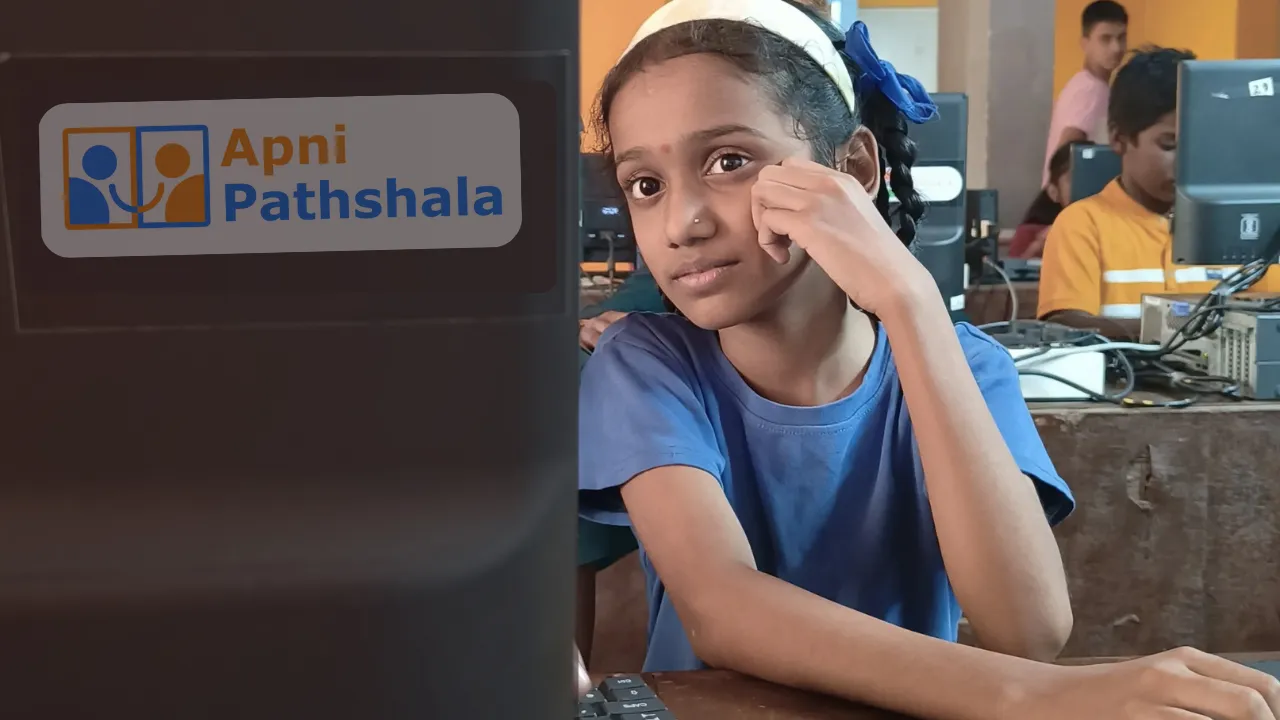
Here’s something people get wrong. Affordable doesn’t mean broken or outdated. It means thoughtful. It means designed with the real user in mind instead of the premium buyer.
A student needs a computer that turns on fast, doesn’t crash during an assignment, runs basic educational software smoothly, and lasts through a few academic years. They don’t need a gaming rig with a fancy price tag. They need something reliable, accessible, and built for learning.
Technology can make learning equal when it’s designed with that goal in mind. Affordable computers that actually work are more powerful than expensive ones sitting behind a price wall most families can’t reach.
The Ripple Effect on Families and Communities
When one student in a family gets a computer, the whole family often benefits. Parents look up government schemes and job openings. Younger siblings watch educational videos. Older siblings prepare for competitive exams using the same device.
This ripple effect goes beyond the household. Communities where technology access grows tend to see better outcomes across education, employment, and civic engagement. It’s not magic. It’s just what happens when access opens up.
What Needs to Happen Now
Schools can push for digital curricula and functional computer labs. Parents can look for affordable, reliable options instead of waiting for a perfect device that never arrives. Students can start exploring online learning today, even with modest tools. Don’t let perfect be the enemy of good.
The government is moving in the right direction. But families need to move too. Waiting means missing real opportunities right now.
The affordable technology future of education in India isn’t waiting for permission. It’s already here, reaching more students every day.
If you want to give a student the tools they deserve, Apna PC is available at ₹21,000 (shipping and GST excluded). It’s a real computer built for a real future.