


Sleep matters more than one extra hour of studying because an exhausted brain retains and applies information far less effectively than a rested one. During sleep, the brain consolidates the day’s learning, transferring what your child studied into long-term memory. Skipping that consolidation time makes the extra studying largely wasted.
Why does sleep matter so much for student exam performance?
During sleep, the brain processes everything studied during the day and stores it properly. Everything your child covered in class gets reinforced during those 7–8 hours of rest. Without adequate sleep, the brain cannot transfer information from short-term to long-term memory. This means studying until 2 AM and waking at 5 AM does not lead to better retention, which leads to forgotten concepts by exam day.
Sleep deprivation reduces attention span, slows reaction time, and impairs decision-making. For board exam students, this is critical. Multiple-choice questions, problem-solving, and essay writing all require sharp focus. A sleep-deprived student misreads questions, makes careless errors, and performs significantly worse than their well-rested peers. A tired brain learns far less effectively than a rested one. One extra hour of sleep beats one extra hour of studying every single time.
How does sleep connect to actual exam scores?
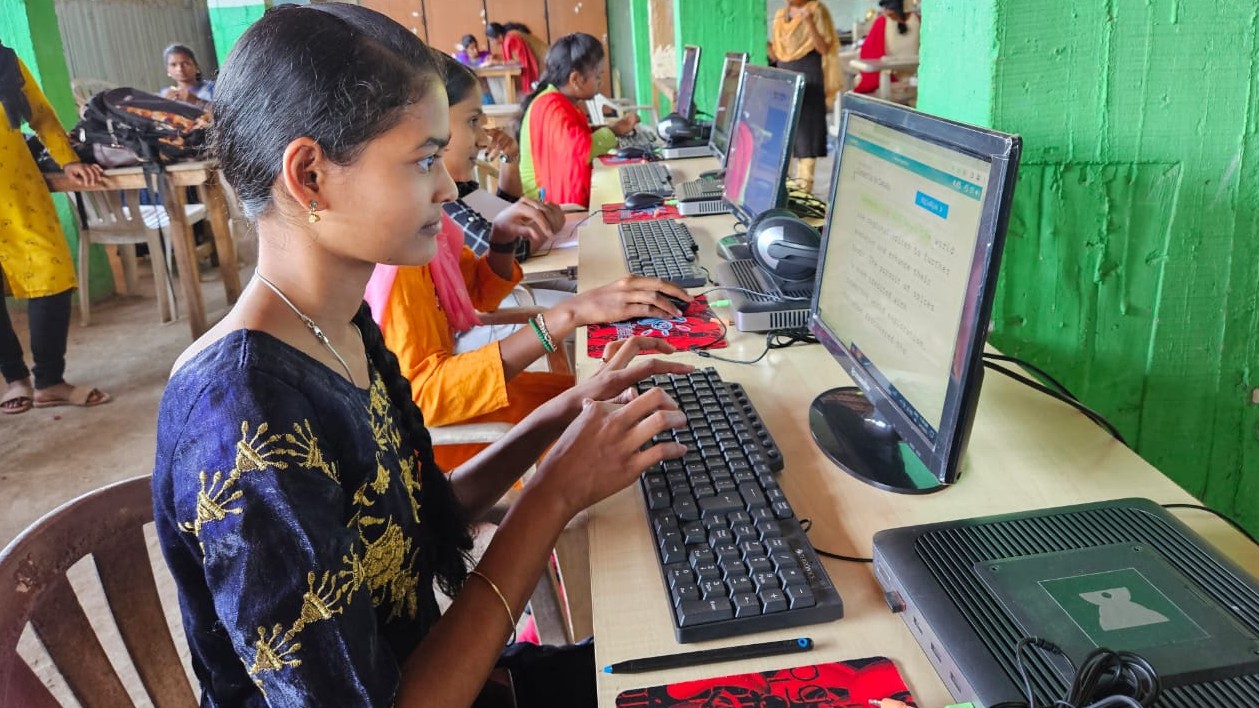
Students who sleep 7–8 hours consistently score higher on board exams than those sleeping 5–6 hours. This is not coincidental. This is biology. During deep sleep, the brain strengthens neural connections related to what was learned. Mathematics formulas, history dates, science concepts, all get reinforced while your child sleeps.
Coaching classes in Tier 2 and Tier 3 cities often push students to study late. Parents feel pressure to keep up. But this creates a false sense of productivity. Your child sits at the desk looking at books, but their exhausted brain absorbs very little. Meanwhile, their immune system weakens, stress hormones increase, and anxiety grows, all making exam performance worse.
A consistent sleep schedule regulates the body’s internal rhythms. This means better mood, sharper memory, and improved focus during actual exams. Students who prioritise sleep feel calmer on exam day and make fewer panicked mistakes.
How should your child structure their study routine to include proper sleep?
The key is quality over quantity. Your child does not need to study for many hours daily. A focused study routine with proper sleep produces better results than hours of tired, unfocused reviewing. Here is how to structure it:
Set a fixed bedtime and wake time. Consistency helps the body’s internal clock. During study hours, use focused blocks with short breaks. This prevents burnout and keeps the brain fresh for the next session.
Many students believe they are being productive by skipping sleep during exam season. In reality, they are showing early signs of student burnout. Irritability, forgetfulness, and declining grades are warning signs that rest is needed more than more studying.
Also understand that comparing study hours is a poor measure of success. A child who studies focused hours with full sleep will consistently outperform a child who studies more hours in an exhausted state.
What do parents worry about, and are those concerns valid?
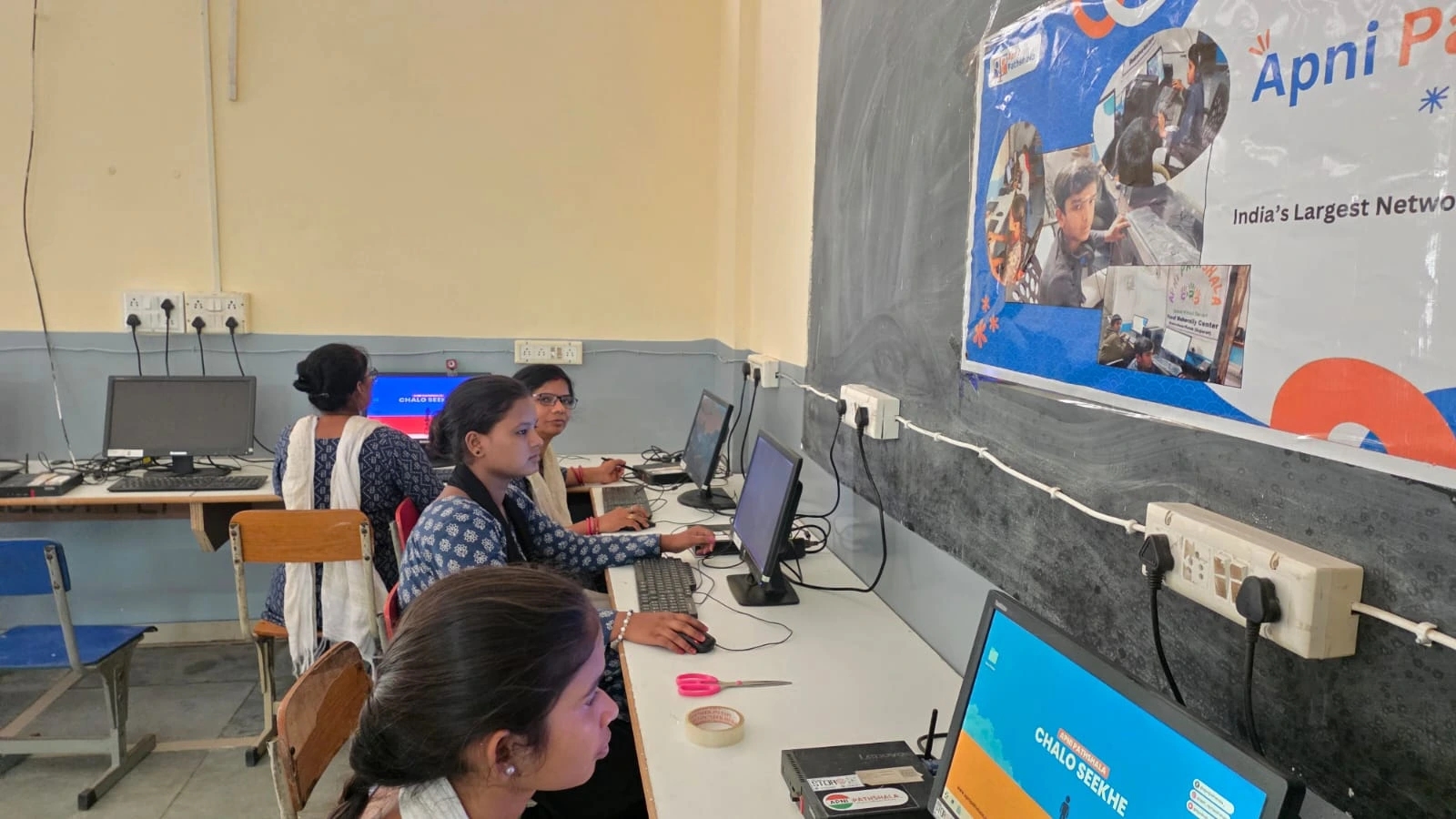
Parents worry: if my child sleeps 8 hours, they will not study enough for CBSE exams. This fear is understandable but unfounded. The CBSE curriculum is designed for students following a normal sleep schedule. Your child has time to cover the syllabus while sleeping well.
Another concern: other students are studying late and my child will fall behind. No. Students who sleep well actually move ahead because they retain more, understand concepts better, and solve problems faster. Exhaustion creates the illusion of hard work, not actual progress.
During exam season, nutrition and sleep work together. A tired student eats poorly, gets sick, and misses study days. A rested student maintains health, stays consistent, and performs better. Students who build focused habits also benefit from a good revision schedule that works around their energy levels and sleep needs.
What practical changes help students sleep better during exam season?
- Limit evening screen time: Blue light from phones and laptops disrupts sleep. Encourage your child to read textbooks or solve practice papers on paper in the evening.
- Keep the study space comfortable: A cool, well-arranged room makes it easier to transition from study to rest without strain.
- Avoid caffeine after the afternoon: Tea and energy drinks damage sleep quality. Offer healthy snacks like nuts and fruits during study breaks instead.
On exam day itself, sleep the night before matters more than last-minute cramming. A well-rested student recalls information better than a panicked, sleep-deprived one. Student research and CBSE guidelines both support this.
Exam success is not built in the final week. It is built over months of consistent studying combined with consistent sleep. Your child’s brain needs both to perform at its best. Visit apnapc.com to learn more about creating the right study environment with the right tools.
Frequently Asked Questions
How many hours of sleep does a board exam student actually need?
7–8 hours is the standard recommendation for school-age students preparing for board exams. This range gives the brain enough time to complete the deep sleep cycles needed for memory consolidation. Consistently sleeping significantly less than the recommended amount during exam season reduces retention and increases anxiety, which is the opposite of effective exam preparation.
What is better on the night before an exam: sleeping or last-minute studying?
Sleeping. The night before an exam, the brain needs rest to retrieve and apply everything already studied. Last-minute cramming on a tired brain adds very little while increasing anxiety and reaction time errors. A student who sleeps well the night before will recall previously learned material more reliably than one who stayed up cramming.
Can a computer help a student stick to a consistent study and sleep schedule?
Yes. A dedicated study computer helps because it separates study time from entertainment. When the device is set up for learning only, with educational tools pre-loaded and monitoring active through Apni Prerna, the student learns to associate computer time with focused work. This makes it easier to finish study sessions at a consistent time and transition to rest without the pull of entertainment apps keeping them awake.
Your child studies better rested. Apna PC supports effective, focused study sessions so that when study time ends, there is nothing left to squeeze in at the cost of sleep.