


Meet Priya: Why Networking Skills Matter Right Now
Priya sat in her hostel room in Indore, laptop open, staring at a job posting from TCS. She had a 7.8 GPA, knew C++ inside out, and had completed three internships. Yet she didnt get the interview call. Her roommate, Aditya, with a 6.9 GPA got selected. The difference? Aditya had attended three tech meetups, connected with alumni on LinkedIn, and knew someone at TCS who referred him. Priya realized that day that networking skills matter as much as coding skills in your career.
If youre a student in a Tier 2 or Tier 3 city, youve probably felt this gap. You work hard, build projects, and still watch opportunities go to people who seem less qualified. The truth is simple: networking skills are the bridge between your talent and your opportunity. Lets talk about why networking skills deserve your attention right now, and how you can start building them today.
What Are Networking Skills and Why Your Career Needs Them
Networking skills arent just about making friends. Theyre about building genuine professional relationships that help you learn, grow, and find opportunities. In Indias job market, especially in smaller cities, personal connections often open doors that applications alone cannot.
Think of networking skills as your professional superpower. They include:
- Communication – Speaking clearly about your work and ideas
- Active listening – Understanding what others need and want
- Authenticity – Being genuinely interested in people, not just what they can do for you
- Follow-up – Staying in touch with contacts over time
- Online presence – Managing your LinkedIn profile and GitHub properly
- Problem-solving – Helping others when you can
These arent soft skills that look good on paper. They directly impact your career. According to the skills development initiatives across India, employers rank communication and relationship-building in their top five hiring criteria.
Building Your Network as a College Student
You dont need to wait until you graduate to start. Right now, in your college, you have access to professors, seniors, alumni, and peers. Start there.
Join one club or society that interests you. Attend one tech talk or hackathon this semester. Connect with just two seniors who work in companies youre interested in. Ask them one genuine question about their job. These small actions compound over time.
Online platforms matter too. Create a proper LinkedIn profile. Add a real photo, write a genuine headline like “B.Tech Computer Science Student | Learning Web Development | Open to Internships.” Share what youre learning. Comment on posts from professionals in your field. You dont need to be loud. Just be consistent and real.
Platforms like DIKSHA digital learning platform and Apni Pathshala also connect students with mentors and learning communities. These are excellent places to meet people who are learning alongside you.
Networking Skills in the IT and Computer Science World
In IT careers, networking skills mean something specific. You need technical knowledge, yes. But you also need to know how to talk about your projects, explain your thinking, and collaborate with teams. Computer networking itself is important, but your ability to network with people is equally crucial.
When you work on a project, document it. Write a blog post about what you learned. Share it on your college portal or LinkedIn. When you solve a problem, explain it to a junior. These actions build your reputation as someone who shares knowledge.
Attend webinars hosted by companies. Many IT companies run free sessions on new technologies. Join them. Ask questions. Connect with speakers on LinkedIn afterward. Say something like: “Hi, I attended your webinar on cloud computing. I found your explanation of microservices really clear. I’m working on a similar project. Would you mind if I shared my approach with you for feedback?” Most professionals appreciate genuine interest.
Using Technology to Strengthen Your Networking Skills
Your computer is your networking tool. You need the right setup to practice, learn, and connect. This is where having a reliable PC makes a real difference.
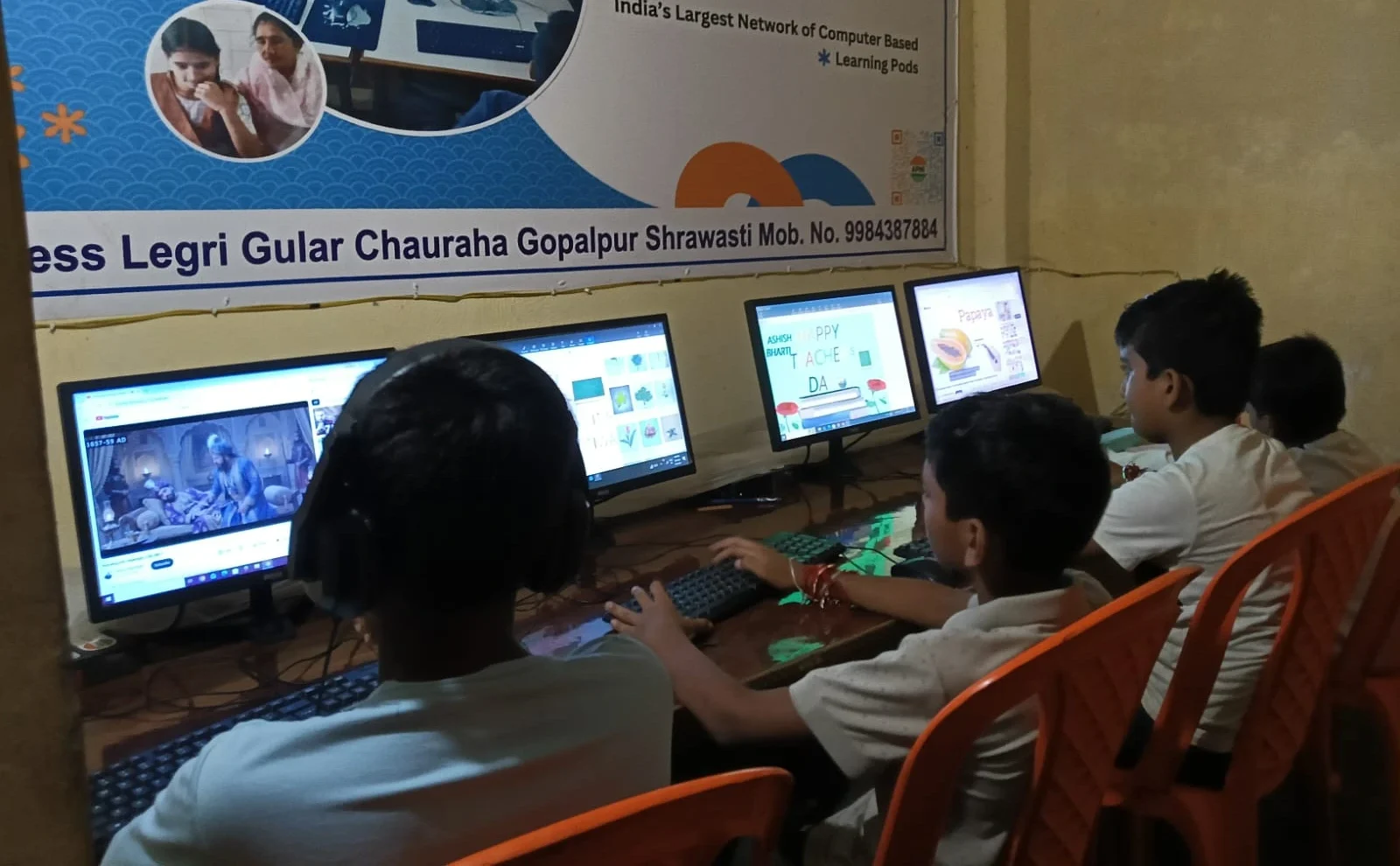
With a proper educational computer, you can run multiple applications smoothly. You can attend video calls without lag. You can edit your portfolio projects. You can practice presentations. You can take online courses without frustration.
Apna PC, built by Apni Pathshala, comes with 8GB RAM and 128GB SSD, pre-loaded with tools you need. Zorin OS gives you a smooth experience. LibreOffice helps you create presentations. Scratch lets you build projects to showcase. The system is designed for students like you who want to learn, build, and connect without spending a fortune. At Rs.30,000 (before shipping and GST), its an investment in your ability to practice and present your work professionally.
With better student PC optimisation and the right tools, youll spend less time troubleshooting and more time building relationships and skills.
Start Small, Build Momentum
You dont need to attend 20 networking events or connect with 500 people. You need to be consistent and genuine. Start this week. Pick one action. Maybe its updating your LinkedIn profile with a real photo and a thoughtful bio. Maybe its reaching out to one senior with a specific question about their job. Maybe its joining one online community around your interests.
Do this every week. In three months, youll have a small but genuine network. In a year, youll be the person others come to for advice and opportunities.
Your networking skills are as important as your technical skills. They open doors, create mentorships, and lead to opportunities that never appear in job postings. Start building them now, while youre still in college. Youll thank yourself when you graduate.
Invest in your learning setup today so you can focus on building relationships tomorrow. Visit apnapc.com to learn more.