


Rajesh’s WiFi Problem That Changed Everything
Rajesh sits in his hostel room in Indore, staring at his laptop screen. His online exam starts in 10 minutes. The WiFi keeps disconnecting. He doesn’t know why. His roommate walks over, checks the router settings, and fixes it in 30 seconds. Rajesh feels embarrassed. He’s studying engineering but doesn’t understand basic networking basics that could have saved him today.
This isn’t just Rajesh’s story. Thousands of students across Tier 2 and Tier 3 cities face similar situations every day. You might be attending online classes, submitting assignments, or taking competitive exams. One internet hiccup and your entire day falls apart. But here’s the truth: understanding networking basics isn’t just for IT students. Its for everyone.
Why Your College Wont Teach You This
Your school focuses on theory. Networking basics get buried in textbooks that feel disconnected from real life. You memorize OSI models and TCP/IP protocols for exams, then forget everything. But practical knowledge? That’s rarely taught. Your teachers assume you’ll figure it out on your own.
Parents in smaller cities often ask: “Why does my child need to know about networks? Wont IT professionals handle that?” The answer is simple. In 2024, basic computer skills and internet basics are survival skills, not luxury skills. Whether you’re studying commerce, arts, or science, you’ll need them.
- Online learning depends on stable connections – you need to know why yours keeps failing
- Job interviews now test digital literacy – companies expect you to understand how the internet works
- Remote work is here to stay – troubleshooting basic issues saves you hours of frustration
- Cybersecurity starts with understanding networks – you’ll protect your data better when you know how it travels
The CBSE digital resources now include networking concepts in their curriculum. This isn’t accidental. The government recognizes that digital learning requires digital understanding.
Networking Basics Arent As Hard As You Think
You already use networks every day. When you scroll Instagram, send WhatsApp messages, or stream YouTube videos, youre using networking basics in action. Understanding how this works doesn’t require a computer science degree. It requires curiosity and the right learning approach.
Think of networking like a postal system. Your data is a letter. Your computer is the sender. The internet is the postal network. Routers are post offices. IP addresses are house numbers. Once you understand this simple analogy, networking basics become logical, not magical.
Learning internet basics helps you troubleshoot problems independently. You’ll know what an IP address is, why your router needs restarting, what bandwidth means, and how WiFi differs from mobile data. These aren’t advanced concepts. They’re practical knowledge that saves you time and money.
How This Helps Your Career and Academics
Every job posting now mentions “proficiency with digital tools” or “understanding of basic computer skills.” What does that mean? It means knowing networking basics. When your interview panel asks, “How would you handle a slow internet connection during an important client call?” youll have a real answer instead of a blank stare.
For academics, understanding internet basics means your group projects run smoother. You can troubleshoot connectivity issues during online presentations. You’ll know how to optimize your connection for better video quality during live classes. Small knowledge, big impact.
The Digital India initiative aims to make every citizen digitally literate. Students like you are the priority. Learning networking basics aligns with this national goal and makes you more employable.
Learning Networking Basics At Home
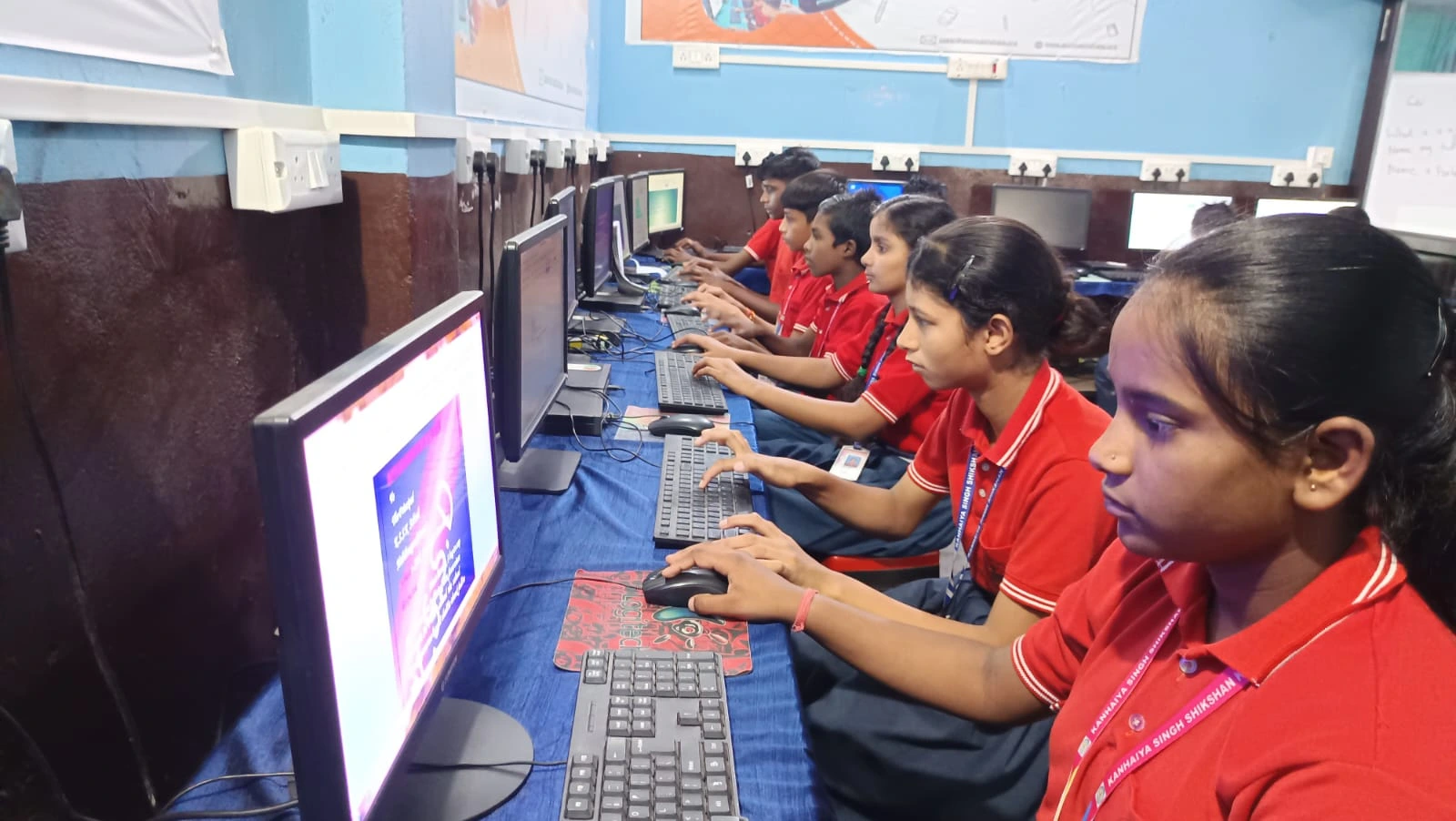
You dont need expensive courses or fancy institutes. Start with your own devices. Check your router settings. Understand your WiFi network. Learn what DNS means. These practical experiments cost nothing but teach everything.
Platforms like Apni Pathshala offer structured digital learning paths. You can study at your own pace, from your own room. No travel, no fixed schedules, no pressure. Just pure learning aligned with your needs.
Understanding computer hardware basics alongside networking basics creates a complete picture. You’ll know not just how data travels but also how your device processes it. This holistic knowledge makes you truly digitally literate.
The Right Tools Make Learning Easier
You need a reliable computer to learn these concepts properly. Not a fancy gaming laptop. Just something stable, affordable, and preloaded with the right software. The Apna PC (Rs.30,000, shipping and GST excluded) comes with Zorin OS, educational software, and 8GB RAM. Perfect for students like you in Tier 2 and Tier 3 cities.
Its designed specifically for digital learning. Pre-loaded with LibreOffice for productivity, Scratch for coding basics, and Apni Prerna for monitoring your progress. You get everything you need without paying extra for premium software.
Learning networking basics becomes practical when you have the right device. You can experiment safely, practice concepts, and build real skills without worrying about expensive hardware.
Start Your Journey Today
Rajesh from our earlier story eventually learned networking basics. Now he troubleshoots his own problems, helps his friends, and feels confident about his technical knowledge. You can be like Rajesh too. Start small. Learn one concept this week. Practice it. Build from there.
Your future employers want digitally literate employees. Your online classes need reliable troubleshooters. Your competitive exams require stable internet and confident problem-solving. Networking basics give you all three. The question isn’t whether you should learn them. Its when you’ll start. Visit apnapc.com to learn more.