

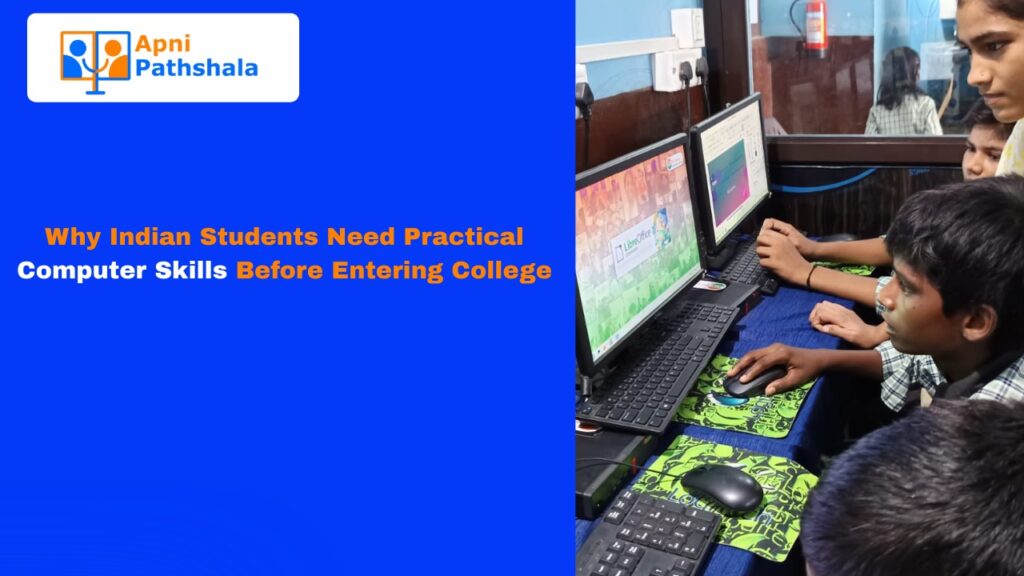
Every year, thousands of students walk into their first college lecture with decent marks but almost no practical computer skills. They’ve passed their board exams. They’ve studied hard. But ask them to create a spreadsheet, format a research document, or navigate an academic database and most of them are starting from scratch.
This isn’t a small issue. In college, almost everything requires a computer: assignments, projects, presentations, research, communication with faculty. Students who don’t have these skills when they arrive spend their first semester playing catch-up instead of actually learning their subject. Apna PC is one of the tools that can fix this gap — before it becomes a problem.
What Colleges Expect That Schools Often Don’t Teach
Schools in India primarily focus on academic content mathematics, science, languages, social studies. Computer Science as a subject often covers theory and basic programming concepts, but rarely addresses the practical digital fluency that college and workplace environments demand.
College professors expect students to submit typed assignments, use online portals, conduct web research responsibly, create proper presentations, and sometimes collaborate on shared documents. These are skills that take time to develop and they develop through use, not through reading textbooks about them.
A student who’s been regularly using a computer at home for two or three years before college arrives at that environment with an enormous advantage. They’re not distracted by figuring out how to do things they’re actually focused on what to do.
The Skills That Matter Most
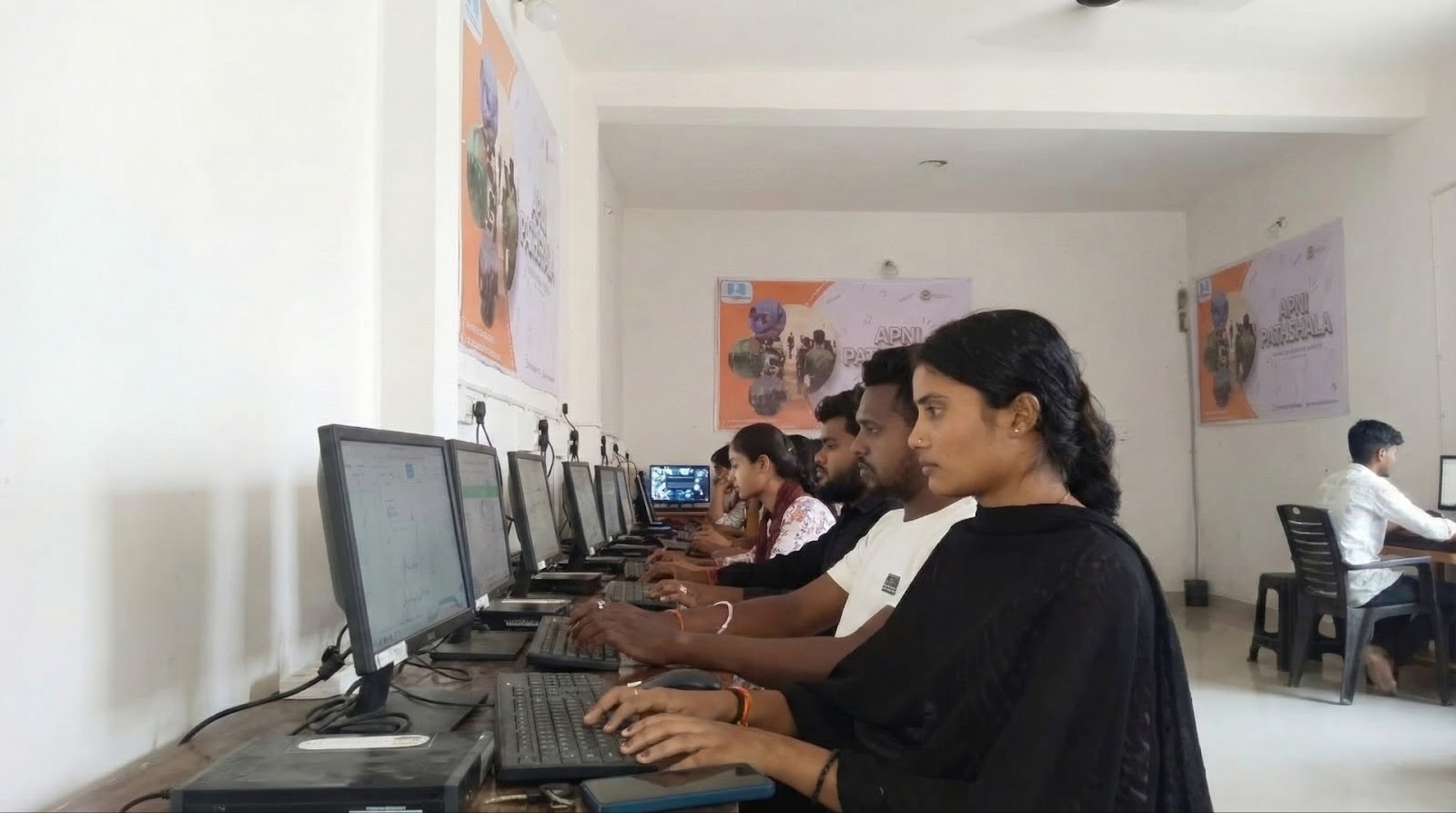
It’s worth being specific about what “practical computer skills” actually means, because it’s easy to assume students know things they don’t. The fundamentals that matter most for college-bound students include:
- Typing fluently at least 30 to 40 words per minute, which many students can’t do
- Creating and formatting documents in word processing software
- Building basic spreadsheets and understanding how to use formulas
- Creating clean, clear presentations
- Navigating the internet effectively for research, not just entertainment
- Managing files and folders in a logical, organised way
- Using email professionally
None of these are complex. But all of them require practice. And practice requires a device you can actually use regularly.
Why Access to a Personal Device Makes the Difference
You can’t develop fluency with a tool you only access occasionally. A student who uses a computer for thirty minutes once a week in a shared school lab will never develop the muscle memory and comfort that come from regular, exploratory use.
When a student has their own device at home, those thirty-minute sessions turn into daily interactions. They practice typing because they want to chat online. They learn to create documents because they’re working on a school project. They figure out spreadsheets because they’re tracking something they care about. The learning happens naturally, because the tool is just… there.
The NCERT’s vocational education framework specifically identifies digital literacy as a critical component of preparing students for higher education and employment. Yet the framework can only be meaningful if students have devices to practice on. Apna PC provides exactly that.
The Longer Impact on Career Readiness
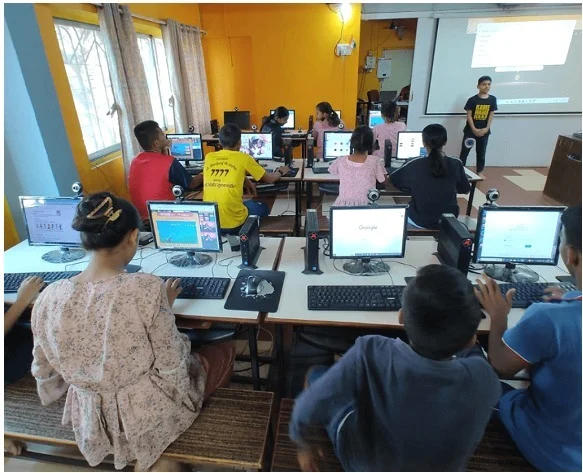
The skills built during school years don’t just help in college they carry forward. Employers across almost every sector now expect basic digital competency as a given. A candidate who can navigate software confidently, communicate professionally through digital channels, and pick up new tools quickly has an edge in any job market.
Students who’ve grown up using Apna PC develop that competency naturally. They’re not just prepared for college — they’re prepared for what comes after. Explore how Apna PC helps students become more employable graduates by building practical skills early.
The National Education Policy 2020 calls for integrating digital competency across all levels of education. For that to happen at scale, students need affordable devices. Apna PC makes that possible.
Don’t Wait for College to Start
The best time to build practical computer skills is years before they’re needed. A student who starts using a personal computer in Class 6 or 7 will arrive at college genuinely prepared. A student who starts in Class 11 will spend their first year catching up. The difference isn’t talent it’s timing and access. Apna PC gives students both.