


Ravi’s Struggle With Mathematics: A Story Many Parents Know
Ravi is ten years old. He lives in Indore with his parents, both of whom are working professionals. Three months ago, his mother noticed something troubling: whenever Ravi sat down to study fractions, he’d cry within minutes. “I can’t do this,” he’d say, throwing his pencil down. His father would get frustrated. His mother felt helpless. They’d tried everything – tuition classes, extra worksheets, even bribing him with chocolate. Nothing worked. What Ravi’s parents didn’t realise was that their son didn’t lack ability. He lacked patience. He didn’t know how to sit with a difficult topic long enough to understand it. This is where learning skills matter most.
Why Patience Is the Hidden Learning Skill Your Child Needs
Patience isn’t something your child is born with. It’s built. When your child learns patience, they learn to stick with problems that don’t have instant answers. They learn that struggle is part of growth. In India’s education system, students often face pressure to perform quickly. But real learning – deep learning – takes time. Your child needs to develop skills under time pressure by sitting with confusion, asking questions, and working through solutions step by step.
Without patience, your child will:
- Avoid difficult subjects because they feel uncomfortable
- Give up too quickly when answers don’t come immediately
- Develop anxiety around tests and exams
- Miss the joy of actually understanding something new
Patience with difficult topics directly impacts your child’s learning skills. Study skills and learning habits both depend on this foundation. When your child practices patience, they’re also practising focus, resilience, and problem-solving.
How the Right Environment Changes Everything
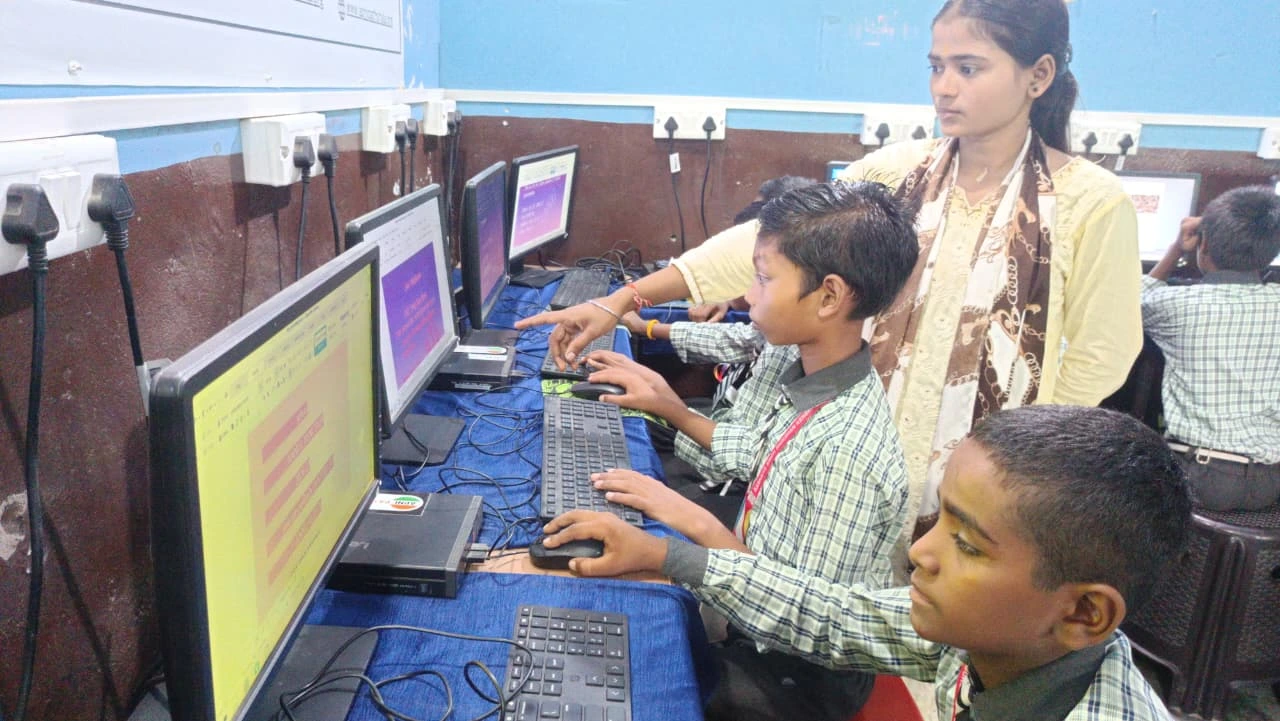
Ravi’s turning point came when his parents brought home an Apna PC. This wasn’t just another computer. It came pre-loaded with Scratch, a visual programming platform, and Apni Prerna, a student monitoring system that tracks progress without pressure. For the first time, Ravi had a tool designed for his learning pace, not a classroom pace.
Here’s what happened: Ravi started with Scratch. He created simple games. He made mistakes. The computer didn’t judge him. He could try again instantly. He could experiment. Within two weeks, something shifted in him. He spent 45 minutes on one Scratch project. Forty-five minutes. His mother watched from the kitchen, amazed. He wasn’t frustrated. He was curious.
Then his mother asked him to try fractions again on the Apna PC. This time, he didn’t cry. He spent 30 minutes working through a fraction problem. He got stuck. He tried a different approach. He asked his mother for help – not in frustration, but in genuine curiosity. He solved it. His face lit up.
This is what happens when your child has the right environment. The Apna PC, with 8GB RAM and 128GB SSD, runs smoothly without lag. Your child can focus on learning, not on waiting for the computer to respond. The pre-loaded software is designed for Indian students and follows the framework outlined in India’s Ministry of Education guidelines.
Building Learning Habits That Stick
Patience isn’t built in one day. It’s built through repeated, positive experiences. When your child sits at an Apna PC, they’re not just learning math or coding. They’re learning that they can handle difficulty. They’re learning that mistakes are information, not failures. They’re learning that persistence pays off.
Apni Prerna, the student monitoring system on Apna PC, helps you track your child’s progress without hovering. You can see how long your child spent on a task, what they attempted, and where they struggled. This data helps you understand your child’s learning patterns. You can celebrate real progress, not just grades.
The Zorin OS operating system is simple and distraction-free. Games or social media don’t tempt your child. They’re focused. LibreOffice gives them tools for projects and assignments. Scratch teaches them coding logic through play. Every element of the Apna PC supports one goal: helping your child build learning skills and patience with difficult topics.
Consider how your child currently studies. Do they have a dedicated device for learning? Is that device optimised for focus? Or are they using your old laptop, which is slow and full of distractions? The difference matters. According to research on Education in India, students in Tier 2 and 3 cities often lack access to quality educational tools. The Apna PC changes this equation.
From Frustration to Confidence
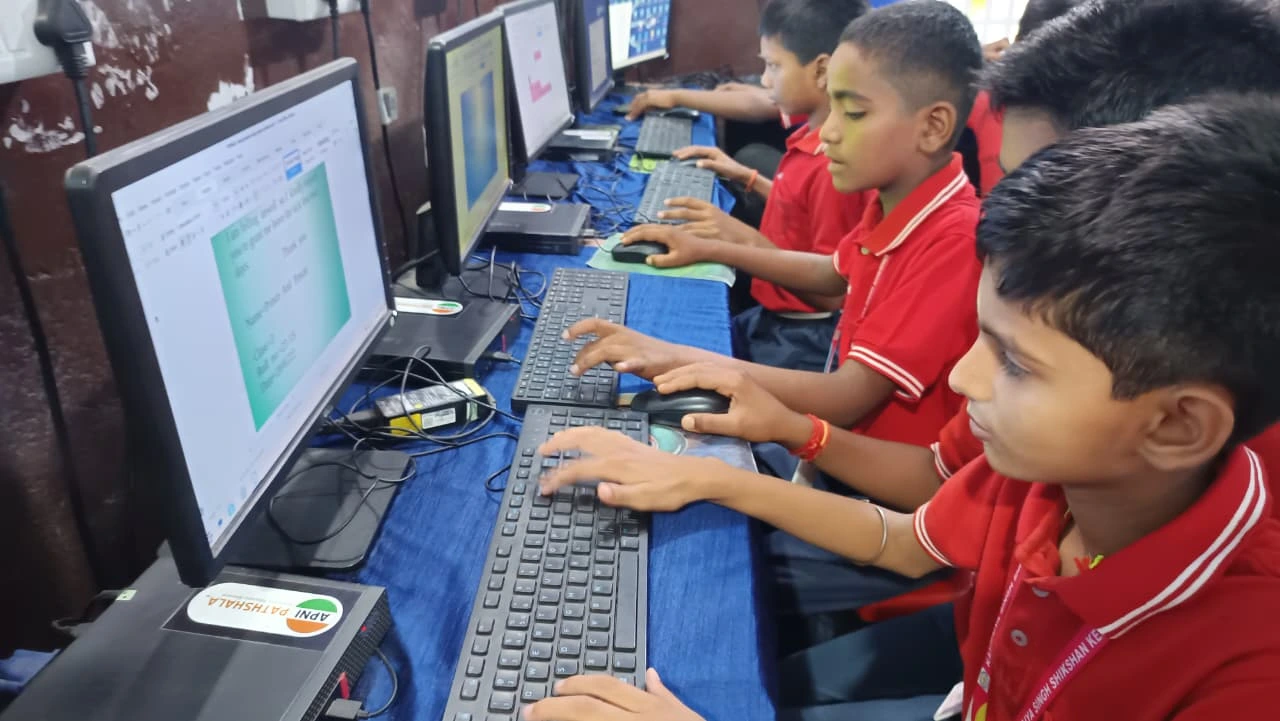
Three months later, Ravi’s report card shows improvement in mathematics. But the real change isn’t on paper. It’s in how he talks about school. “I like fractions now,” he told his mother last week. He’s also started learning basic coding on Scratch. He’s created three projects. He wants to create more. His study skills have improved because his patience has improved. His learning habits have shifted from avoidance to curiosity.
Your child can have this same journey. It starts with understanding that learning skills like patience aren’t innate. They’re built through the right environment, tools, and support. The Apna PC is designed to be that environment. At Rs. 30,000 (shipping and GST excluded), it’s an investment in your child’s ability to handle difficulty, to persist, and to grow.
When your child learns patience with difficult topics, they’re learning a skill that will serve them in school, in college, and in life. They’re learning that they’re capable of more than they thought. This is what student growth looks like. This is what happens when you give your child the tools to build theirlearning confidence through practice and persistence.
The journey from frustration to confidence isn’t easy, but it’s worth it. Your child deserves a learning experience that respects their pace and celebrates their effort. The Apna PC is built for exactly this. Visit apnapc.com to learn more.