


School gives a child knowledge. Home gives a child the chance to use it. For most Indian students, the hours spent at home after school, on weekends, and during holidays are when the real learning either happens or gets lost. Learning at home for students is not a supplement to school. It is where understanding deepens, skills get practised, and habits are formed that last a lifetime. And not every home is set up to make that happen.
The Home Learning Environment Matters More Than You Think
A child’s home learning environment shapes how much they retain, how often they revise, and how confidently they approach new topics. It is not just about having a quiet corner or a desk. It is about having a space that signals to the brain: this is where I learn.
In homes where learning has a dedicated place, a chair, a table, and a device, students naturally develop stronger study habits. They sit down with purpose. They come back the next day. Over time, that environment becomes a cue. The brain associates the space with focus, making it easier to find.
Contrast that with a student who studies on a shared bed, with a TV running nearby, on a phone being used by three other people. The physical and mental conditions are simply not the same. The desire to learn may be identical, but the environment makes one student’s path smoother and the other’s much harder.
Understanding the Importance of Study Environment
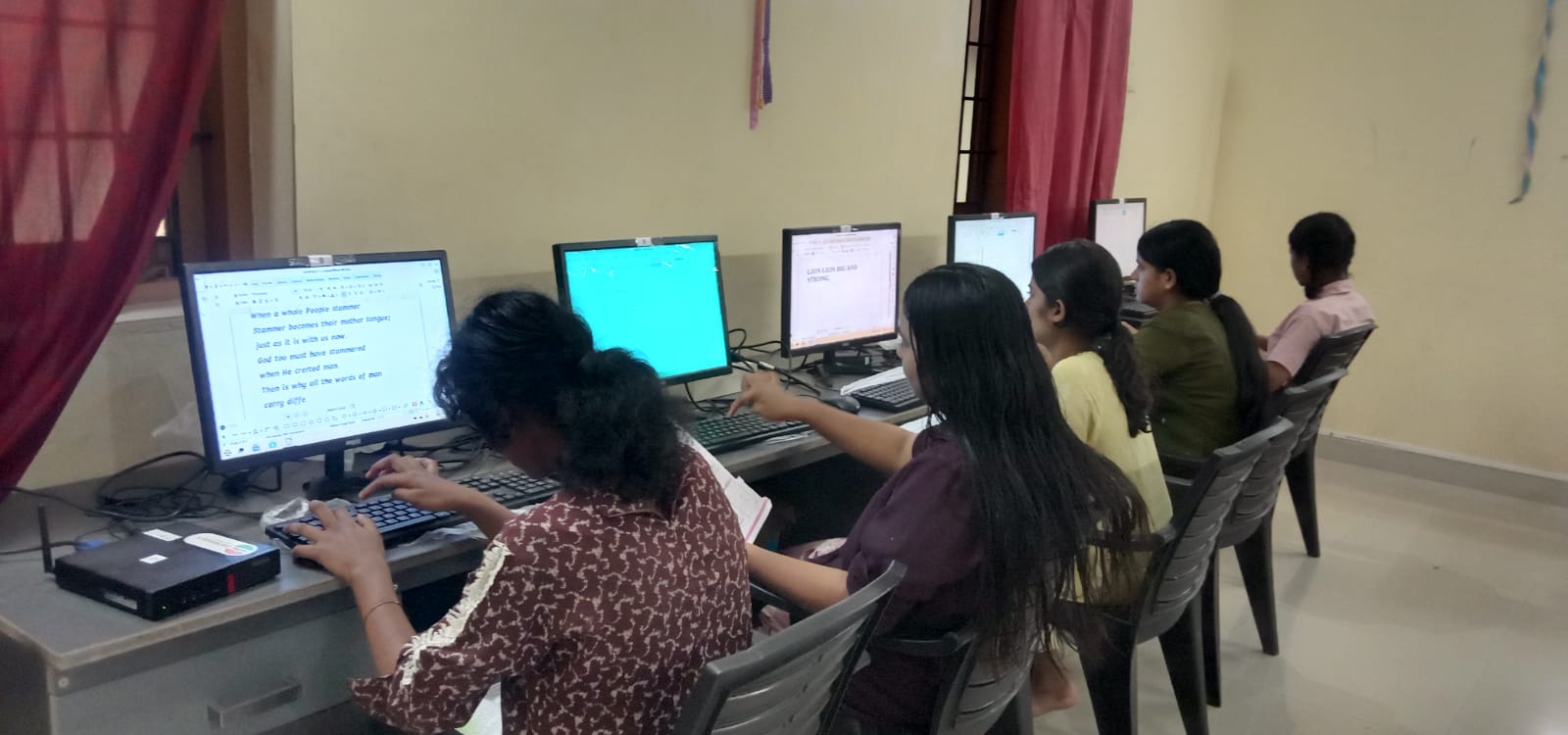
The importance of the study environment goes beyond comfort. Research in child development consistently shows that where a child studies affects how deeply they learn. Distraction breaks concentration. Inconsistency breaks routine. And without routine, even motivated students struggle to make progress.
Three things define a productive home study environment:
-
- Consistency – studying in the same place at the same time each day builds discipline naturally
-
- Tools – a device that belongs to the student, not borrowed, not shared
-
- Reduced distraction – a space where the student is not constantly interrupted or waiting for their turn
The Central Board of Secondary Education (CBSE) has increasingly integrated digital tools into its curriculum, expecting students to access resources, submit work, and prepare for exams using computers. Students who do not have access to a device at home are already starting from behind.
Digital Learning at Home India The Divide Nobody Advertises
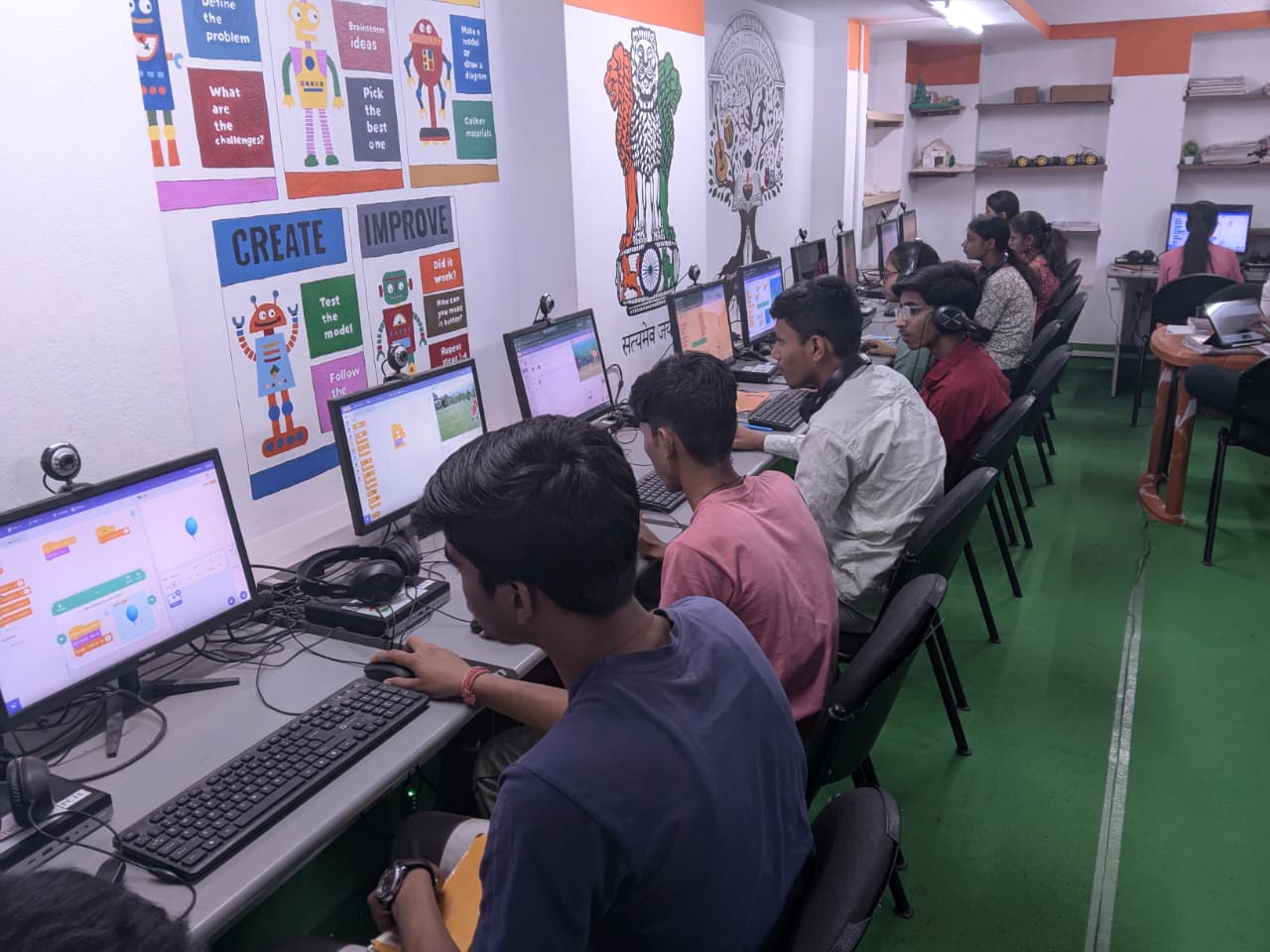
Digital learning at home in India is not a uniform experience. In urban households with steady income, it means high-speed internet, a personal laptop, and the freedom to learn at any hour. In smaller towns and lower-income households, it means fighting for screen time on a shared phone, hoping the mobile data lasts, and missing out on hours of practice every single week.
This divide does not show up on report cards immediately. But it compounds. Over a year, a student with daily computer access practices far more, builds real digital skills, and develops the confidence to navigate technology independently. The other student is still waiting for their turn.
The India.gov.in education portal highlights the government’s push to bring digital education to every Indian child. But infrastructure alone is not enough. The device has to be in the child’s hands, at home, available at any time, ready when the student is.
How the Right Tool Transforms Learning at Home
Giving a child access to a personal computer does not just add a device to the home; it changes the entire rhythm of how that home supports learning. There is no more waiting. No more sharing. No more choosing between homework and a sibling’s entertainment. The student can learn, practice, and explore on their own schedule.
This is exactly what a personal computer helps students learn beyond the school curriculum looks like in real life, not just completing assignments, but building curiosity, exploring beyond textbooks, and developing skills that no single classroom can fully provide.
And the cost of not having one is higher than most families realise. Read more about the hidden cost of not having a computer in 2026, a cost measured not in money, but in missed opportunities.
Apna PC was designed to solve exactly this problem. At ₹21,000 (shipping and GST excluded), it puts a dedicated educational computer in the hands of Indian students who deserve a proper learning environment at home, not someday, but now.
Every learning opportunity starts somewhere. For most students, it starts at home. Make sure your child’s home is ready. Visit apnapc.com to learn more.