

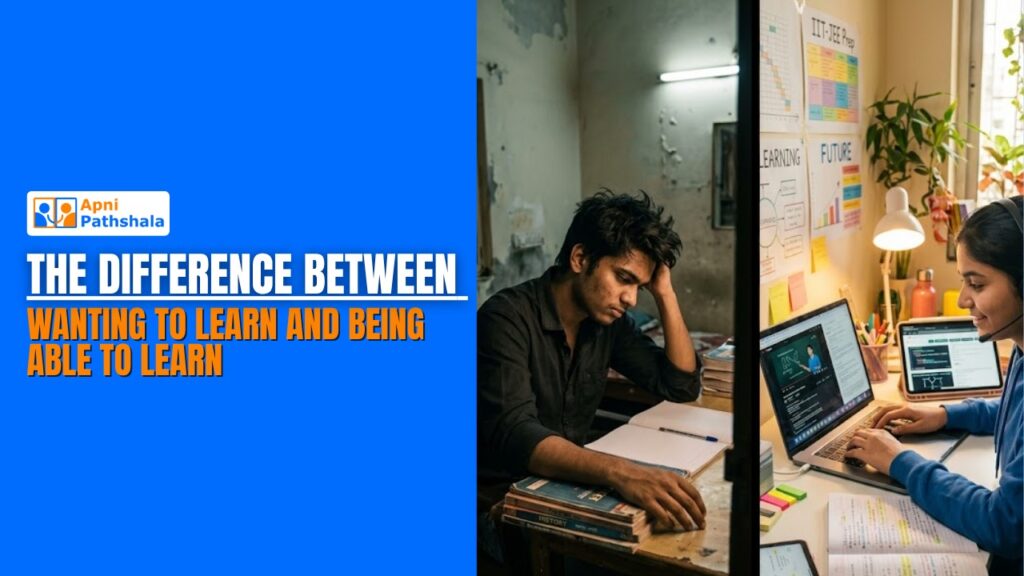
Most children in India want to learn. Ask any student in the city, and they have dreams, curiosity, and ambition. But wanting to learn and actually being able to learn are two very different things. Access to education is not just about school enrollment. It is about having the tools, space, and support to absorb, practice, and grow consistently. And for millions of Indian students, that gap is very real and very costly.
What “Access to Education” Really Means?
We often measure access to education by whether a child is enrolled in school. But enrollment is just the first step. True access means a student can study after school hours, revise at their own pace, explore topics that genuinely interest them, and prepare for competitive exams, without depending on expensive tuition or a borrowed device.
In India, millions of students share a single smartphone with siblings or parents. Some have no device at all. Others have internet but no quiet space to focus. These are not minor inconveniences; they are real barriers that quietly decide which students get ahead and which ones fall behind. Two students can sit in the same classroom and still have completely different futures, simply because of what they go home to.
According to the UNICEF India education report, a large percentage of school-going children in India do not have access to a dedicated learning device at home. The result: homework goes unfinished, digital skills stay undeveloped, and opportunity quietly slips away, year after year.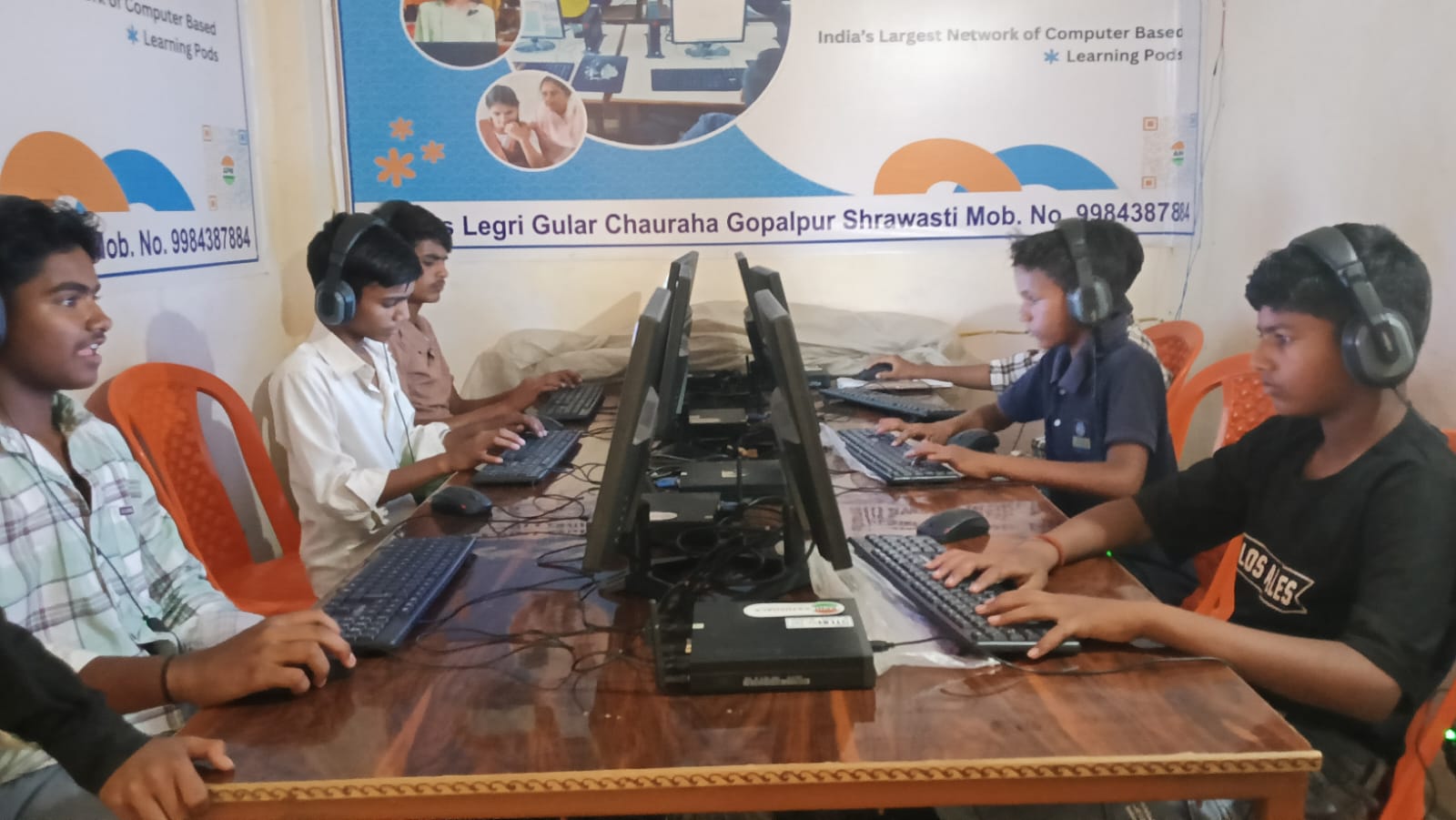
The Reality of Digital Learning Access in India
Digital learning access does not look the same for every student. For a student in a metro city, it might mean a personal laptop, fast broadband, and a quiet study room. For a student in a town, it might mean borrowing a phone for twenty minutes, burning through mobile data, and competing with three younger siblings for the screen.
This gap is not about intelligence or motivation. It is about resources. And when resources are unequal, outcomes become unequal too. The student who practices typing, researches topics, and watches educational videos every evening will naturally outpace the student who sees a computer screen only once a week in a school lab.
UNESCO global education research consistently shows that students with access to a personal digital device at home develop stronger reading comprehension, analytical thinking, and problem-solving skills over time. The device is not just a gadget; it is a daily practice ground that builds skills slowly and surely.
Barriers to Learning That Nobody Talks About
When we discuss education inequality in India, the conversation usually focuses on school infrastructure, buildings, teachers, and textbooks. But there is a quieter, deeper layer of barriers to learning that rarely gets addressed:
-
- No personal device to study or practice on at home
-
- Shared smartphones that are not always available
-
- No offline content access when the internet is slow or absent
-
- Limited digital confidence when applying for college or jobs
-
- No room to explore subjects beyond what the school syllabus allows
These barriers stack up silently over time. A student who cannot build digital skills at 13 will struggle to catch up at 20. The gap widens, quietly, year by year, not because the student stopped wanting to learn, but because the tools were never there.
This is exactly why having a personal computer at home is no longer a luxury. It is the foundation. Find out more about Why Every Indian Student Needs Their Own Computer, and why the moment to act is right now, not later.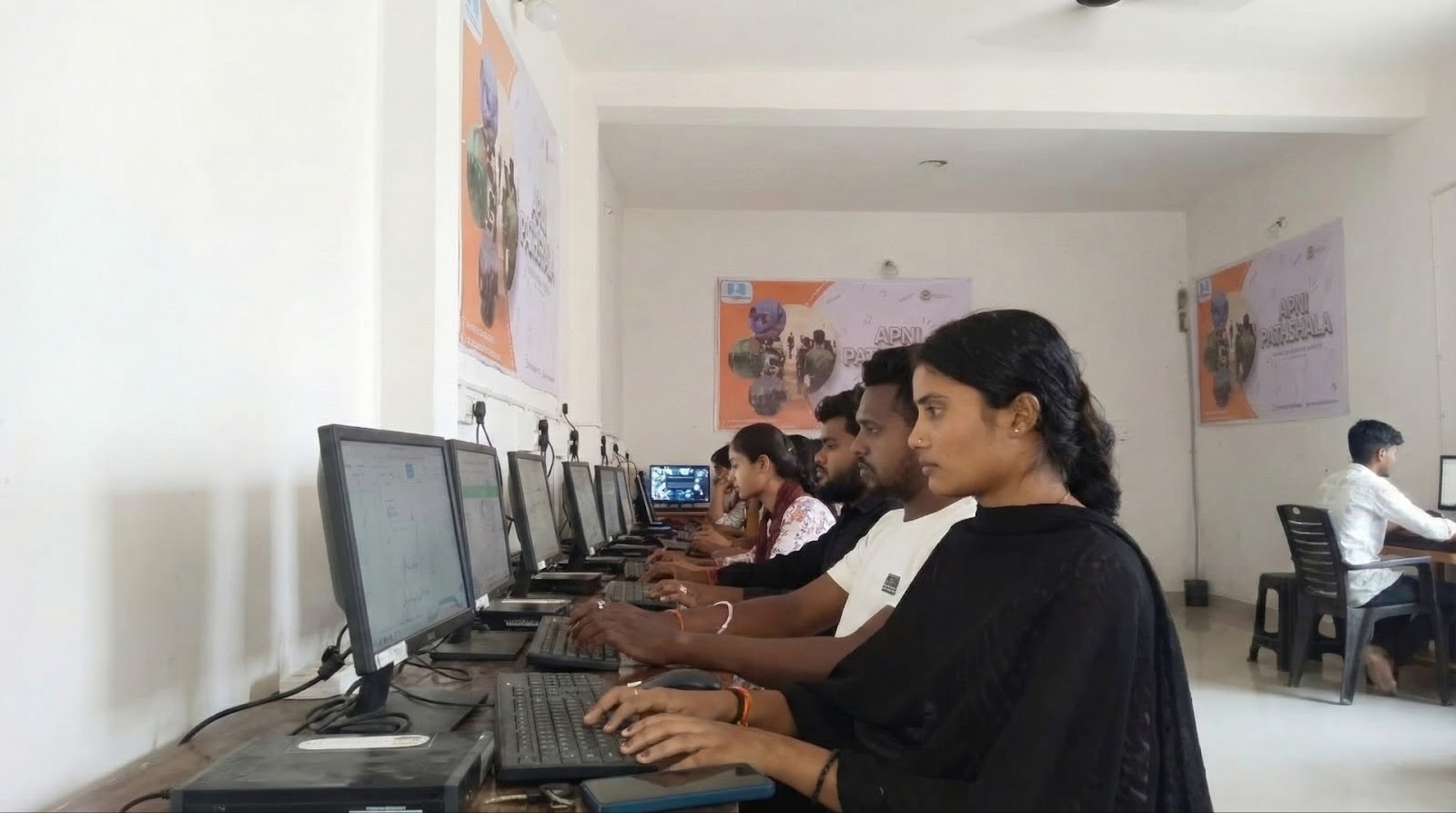
Turning the Want to Learn Into the Ability to Learn
The gap between wanting and being able is real, but it is not permanent. It closes when the right tools reach the right hands.
Apna PC was built for exactly this moment. It is a dedicated educational computer designed for Indian students and families, priced at ₹21,000 (shipping and GST excluded). It is not just affordable, it is purposeful. Designed to work offline, built to handle Indian conditions, and simple enough for a first-time user to pick up and start learning on day one.
When a student has their own computer at home, everything shifts. Homework gets done. Skills get built. Confidence grows. The desire to learn finally meets the ability to do so. And that changes not just grades, it changes futures.
As we often say, the biggest advantage a student can have today isn’t marks, it is access. Access to tools, to practice, to opportunity.
If you believe every student deserves a real shot at learning, not just the desire, but the means, Apna PC is where that change begins. Visit apnapc.com to learn more.