

Having internet on a phone is not the same as having the tools to learn. Being connected is a start, but digital empowerment in education is something different; it is what happens when a student doesn’t just consume content but uses technology to think, create, question, and grow. Most students in India today are connected. Far fewer are truly empowered. Understanding that gap is the first step to closing it.
What Does Student Empowerment Actually Mean?
Student empowerment is often misunderstood. It doesn’t mean giving a child free time on a screen. It means giving them the tools, the skills, and the confidence to direct their own learning.
An empowered student doesn’t wait to be taught everything. They search for explanations they didn’t understand in class. They practise until a concept is clear. They look for patterns across topics. They prepare for exams without needing someone to tell them what to study first.
This kind of independence doesn’t appear overnight. It develops through consistent, purposeful daily access to a device in which learning is the primary activity. A student who uses technology to look things up, organise notes, type essays, and practise problems is being empowered. A student who scrolls on a borrowed phone between school and dinner is simply connected.
What Digital Learning for Students Really Requires?
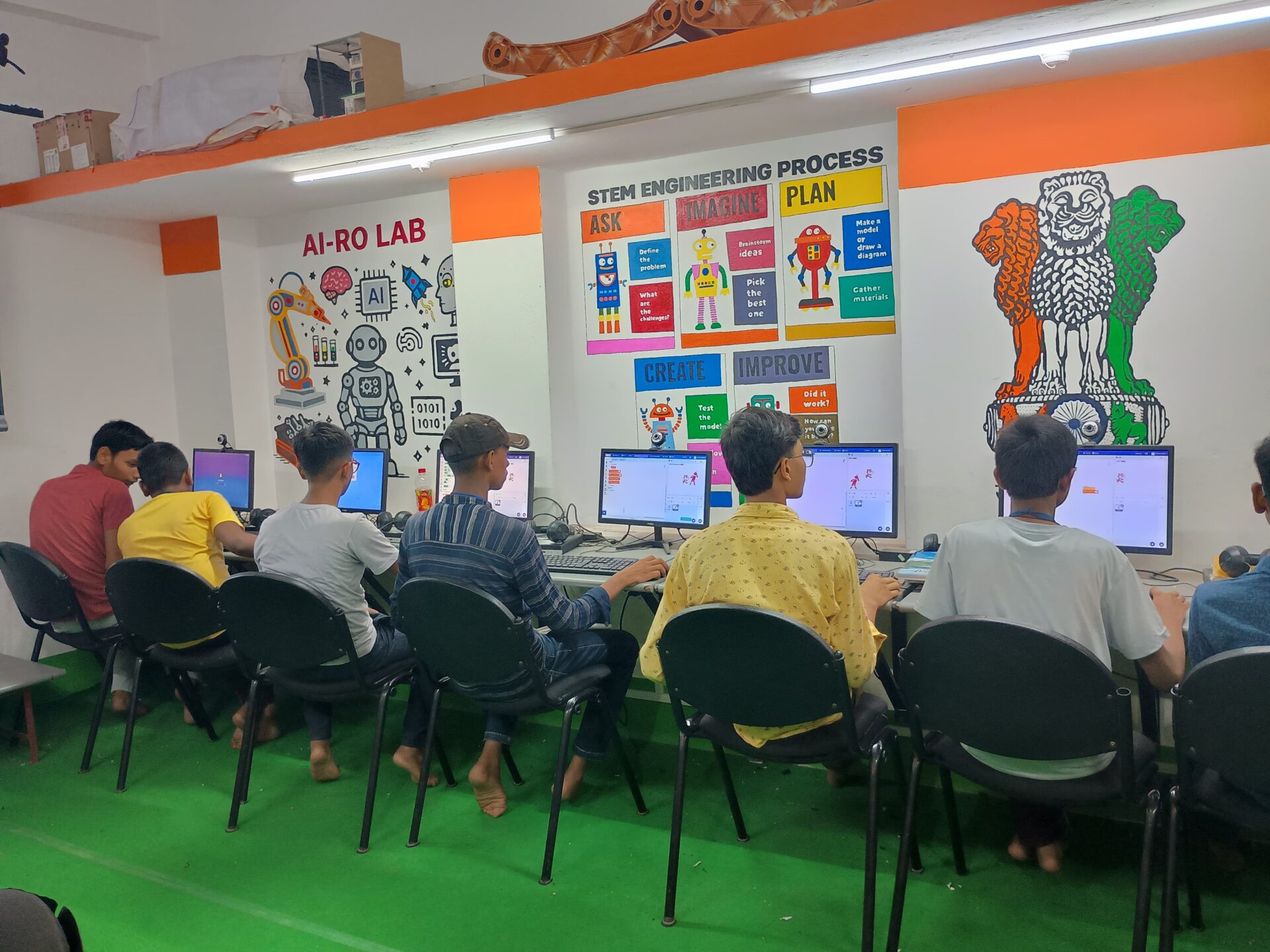
True digital learning for students is not about watching a lecture and ticking a box. It is an active process that needs the right environment to happen at all.
It requires a screen large enough to clearly follow a diagram. A keyboard for practising typing and drafting written responses. A stable device that runs video content without buffering. And most importantly, time. Uninterrupted, unhurried, flexible time that a borrowed phone rarely gives.
Free government platforms like DIKSHA India’s national digital learning platform offer structured, curriculum-aligned content across classes and subjects. But a student can only benefit from these resources if they have a device that lets them sit with the content, practise alongside it, and come back to it the next day.
A student accessing a lesson on a shared phone for 20 minutes before handing it back is not engaging in digital learning. They are brushing the surface of it.
Why Technology in Education Changes More Than Grades?
The real impact of technology in education goes beyond marks and exam scores. It shapes how students think, communicate, and navigate problems, skills that define a career, not just a report card.
A student who types daily develops faster written communication. One who navigates learning platforms builds digital confidence. A student who researches, bookmarks, and organises content develops habits of independent thinking that carry well into professional life.
Research from the UNICEF India education report highlights that access to digital learning tools supports stronger engagement, skill development, and academic confidence in children. These gains matter long after the school exam is done.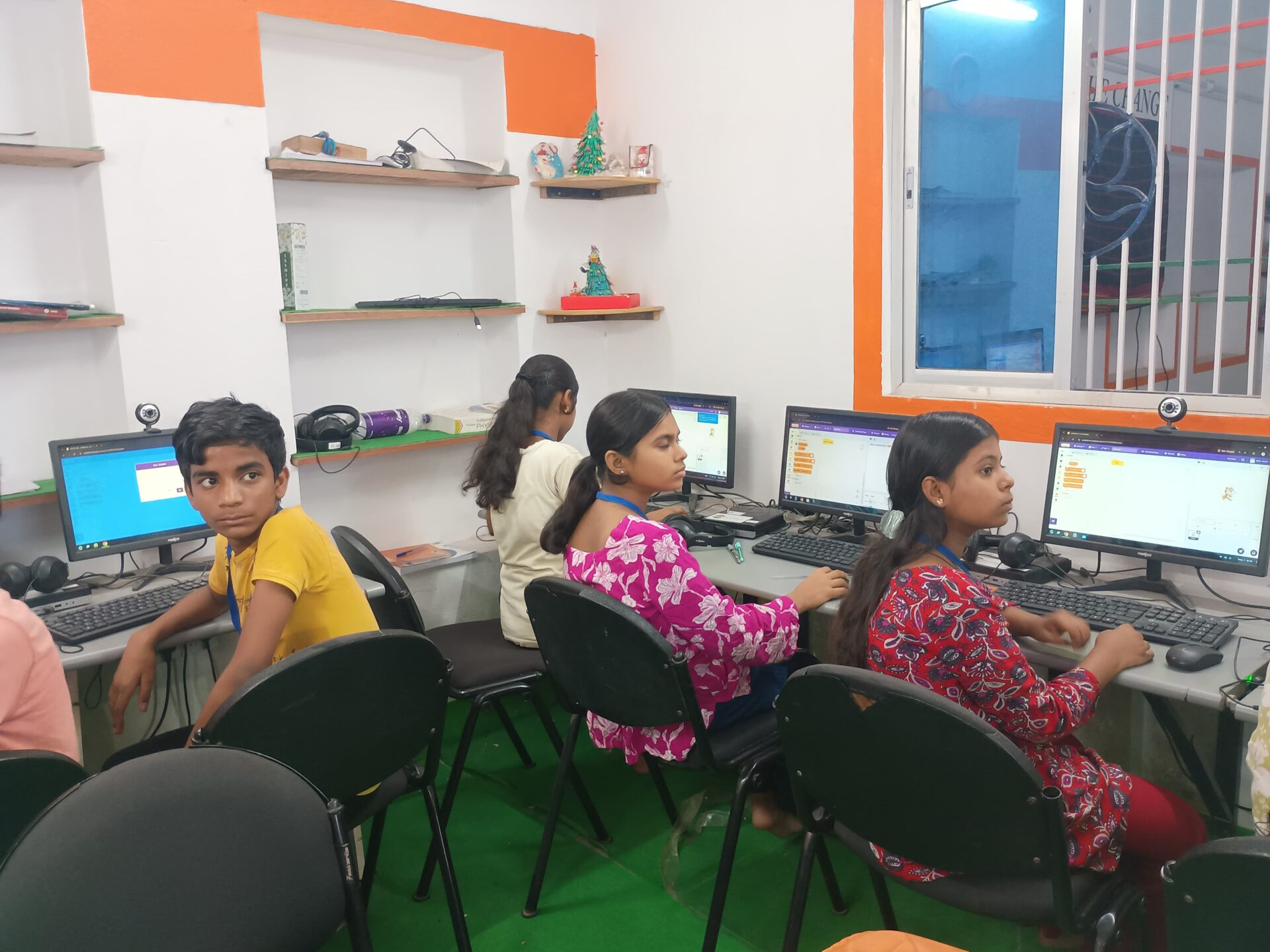
There is also the question of equity. A student in Varanasi or Bhopal with a personal computer now has access to resources previously available only in large cities or private coaching centres. That levelling of the playing field is one of the most important things technology in education has made possible, but only for students who have real, daily access to the right tools.
Moving from Connected to Empowered
The shift from connected to empowered starts with ownership. A student who has their own device, one that is always available, always ready, and used primarily for learning, builds habits that a borrowed phone simply cannot support.
They can study for as long as it takes to master a topic. They can revisit yesterday’s notes before starting today’s work. They can practise, check, correct, and try again, without time pressure, without waiting, and without asking permission.
To understand how a personal device changes what a student can achieve, read How a Personal Computer Helps Students Learn Beyond the School Curriculum and The Biggest Advantage a Student Can Have Today.
Apna PC at ₹21,000 (shipping and GST excluded) is built for exactly this transition, from a student to someone genuinely empowered. Affordable, reliable, and designed for daily educational use in Indian homes.
Being connected is only the beginning. The students who get ahead are those whose access to technology is consistent, purposeful, and truly their own. Give your child what it takes. Visit apnapc.com to learn more.