

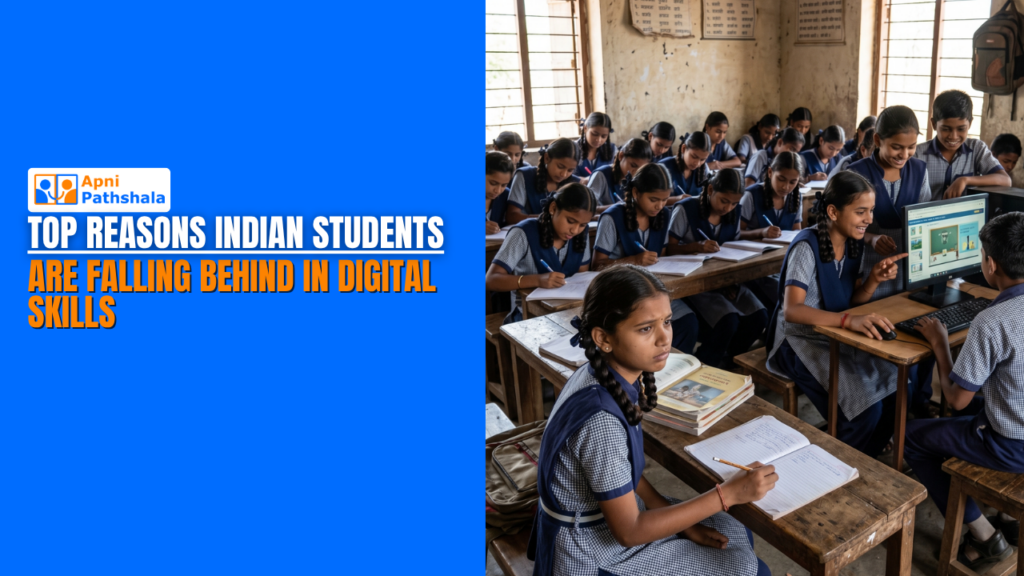
Ravi appeared for a government job exam last year. He had prepared hard, studied the syllabus, memorised facts, and practised from guides. But when he sat down at the exam terminal, he spent the first ten minutes just figuring out how to navigate the interface. He had never used a computer regularly before. He did not clear the exam, not because he lacked knowledge, but because he lacked digital fluency. Ravi’s story is not rare. It is the quiet, largely unspoken reality of the Indian students’ digital skills gap that is holding millions of capable young people back from the opportunities they have worked hard to reach.
Why Are So Many Indian Students Behind on Digital Skills?
India produces some of the world’s best engineers and doctors. But at the school level, the majority of students graduate without basic computer competency, unable to type confidently, navigate digital platforms, create a document, or take an online exam without anxiety. The digital skills problem India’s schools face is structural, not individual. Here is why it happens: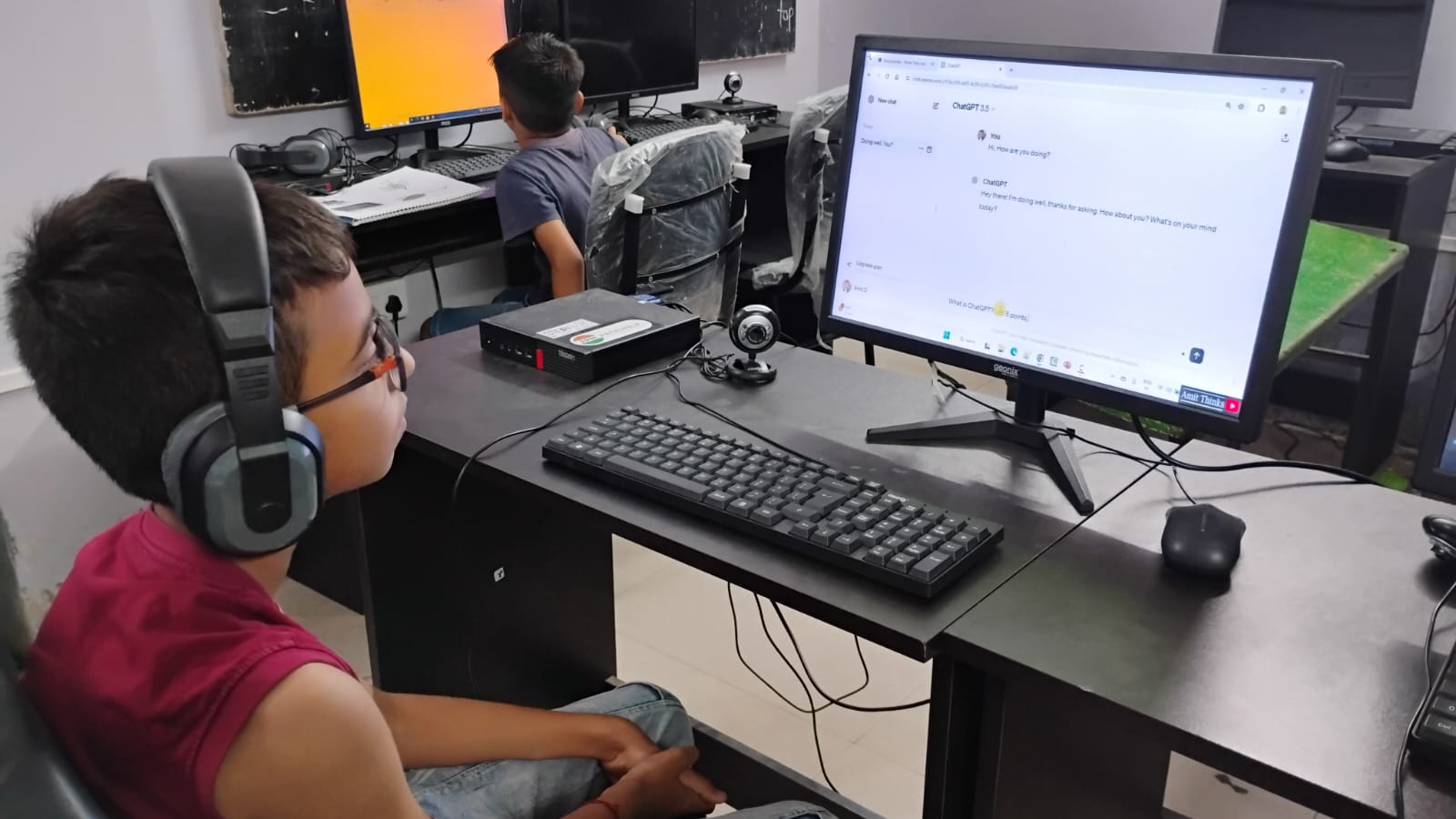
- No computer at home: The most fundamental reason. A student who only touches a computer during a 45-minute school computer class once a week, if their school has one, will never develop real digital fluency. Skills like typing, file management, and platform navigation require daily practice over months and years. Without a device at home, that practice never happens.
- Computer labs that exist only on paper: Many Indian schools officially have computer labs, but the devices are outdated, nonfunctional, or locked away to avoid damage. Students sit in “computer class” copying theory from a blackboard rather than ever touching a keyboard. The class exists. The learning does not.
- Teachers who are not digitally confident themselves: A significant number of Indian school teachers, particularly in rural and semi-urban areas, have limited computer skills themselves. They cannot teach what they do not know. Without trained, confident teachers, even a functional computer lab produces very little digital learning.
- Curriculum that teaches about computers, not on computers: Many school curricula include “computer science” as a theory subject; students memorise definitions of RAM, ROM, and operating systems, but never actually use software, navigate the internet, or create a digital document. Theory without practice produces no usable skill.
- Smartphones as the only digital device at home: Many Indian families have a smartphone but no computer. Students use phones for entertainment and messaging, but a smartphone does not develop the keyboard skills, document-creation abilities, or platform-navigating confidence that computers build. The technology gap that students in India face is often masked by smartphone ownership; a family may appear digitally connected, but the child has no real computer skills.
Read how Apna PC directly addresses these gaps for Indian students on our What Is Apna PC page.
What Happens When Students Lack Digital Skills?
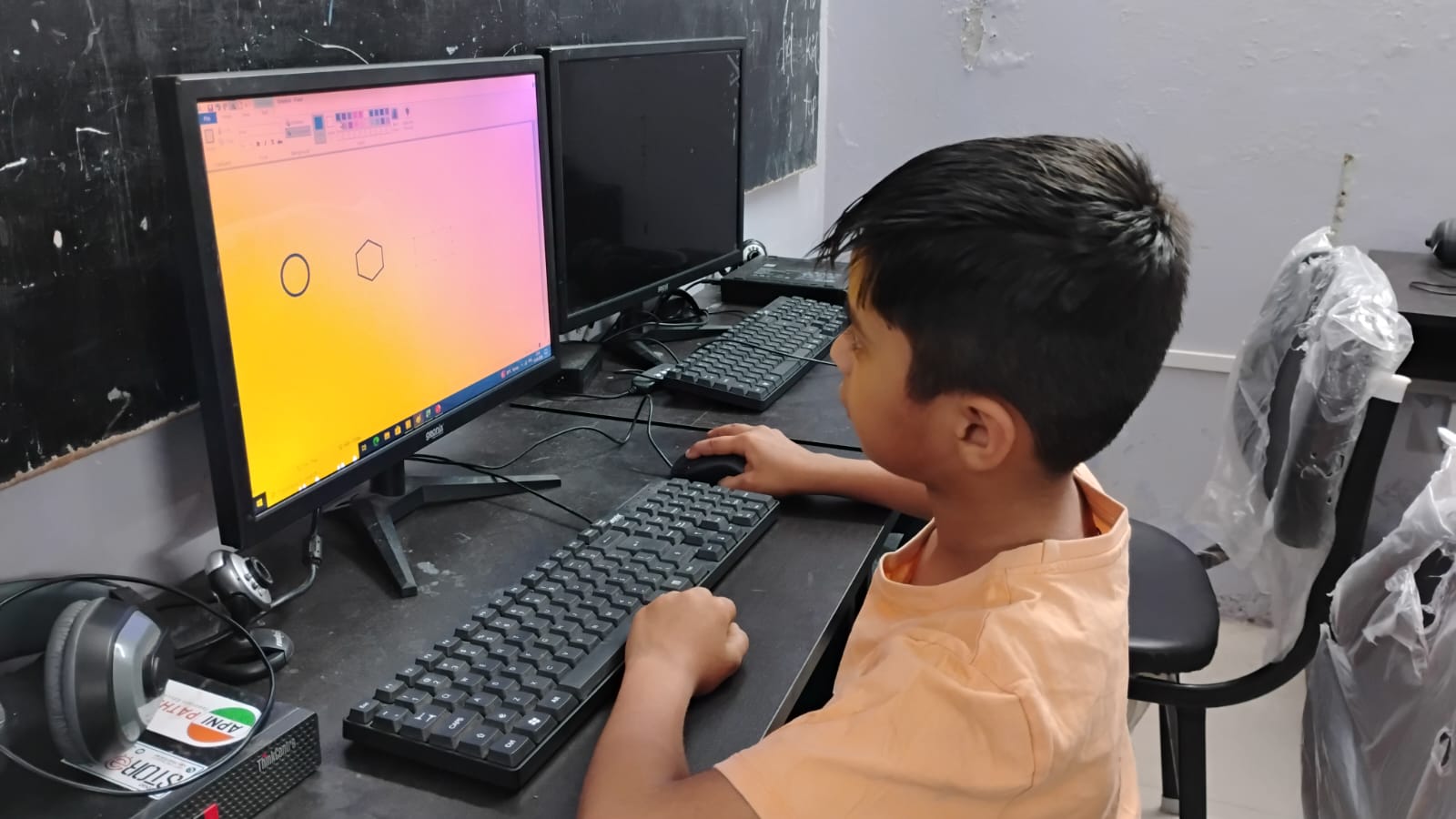
The consequences of why Indian students lack computer skills are not abstract; they show up in real, measurable ways at every stage of a young person’s life:
In school, students who lack digital fluency struggle with computer-based assessments, cannot effectively access free online learning resources, and fall behind peers who use technology confidently for revision and research. The gap compounds year on year; a student who is digitally behind in Class 7 is even further behind by Class 10.
In competitive exams, unfamiliarity with digital media costs marks directly. JEE, NEET, government job tests, banking exams, and scholarship assessments are all computer-based. A student who freezes at the interface, however well-prepared academically, loses precious minutes and marks that have nothing to do with their subject knowledge.
In college and careers, the gap becomes a barrier to opportunity. Every industry, from healthcare to agriculture to retail, now requires basic digital competency. A graduate who cannot confidently use email, spreadsheets, and online platforms starts their professional life already one step behind their more digitally fluent peers.
According to UNESCO’s research on digital literacy and employment outcomes, young people without foundational digital skills are significantly more likely to remain in lower-income employment, not because of a lack of intelligence or effort, but because the digital barrier prevents them from accessing higher-value opportunities.
How to Close the Digital Skills Gap, Starting at Home
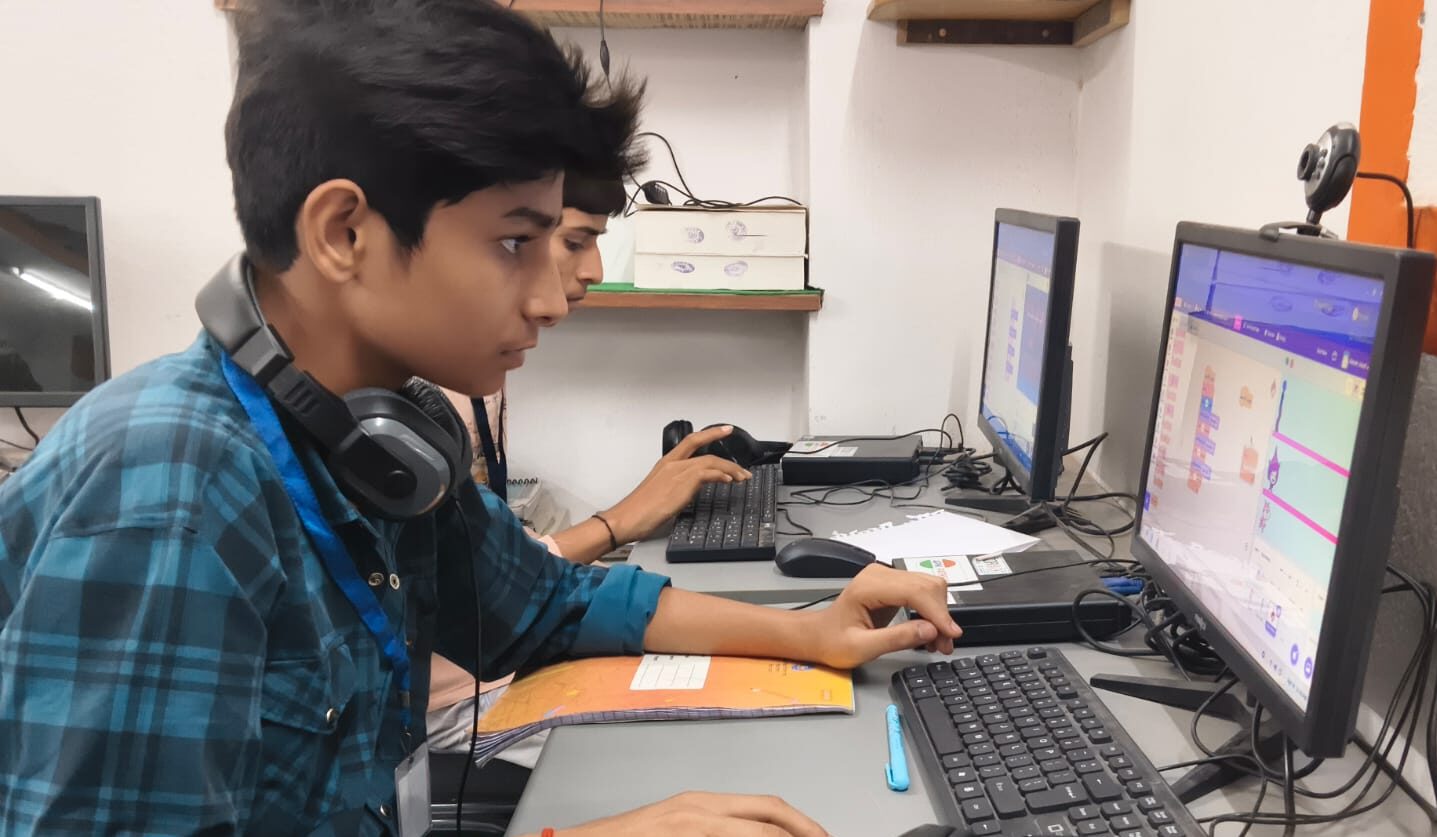
The solution to this national problem does not have to wait for government policy. It can start in the home, with one decision by one family. A dedicated educational computer, used daily for 45 minutes to 1 hour, builds genuine digital fluency in 6 to 12 months of consistent use.
This is precisely what Apna PC is built for. At Rs. 21,000 (shipping and GST excluded), it gives Indian students a purpose-built educational computer that develops real skills from day one, through typing in daily use, platform navigation with preloaded tools, document creation with school assignments, and digital confidence through consistent, structured practice.
NCERT’s digital literacy framework under the National Education Policy 2020 explicitly identifies computer skills as a foundational competency for every Indian student, and recommends structured, hands-on computer use as the only reliable way to develop them. Reading about computers builds no skill. Using a computer every day does.
Read why giving every Indian student access to their own computer is the most direct solution to this gap on our The Biggest Advantage a Student Can Have Today page.
The digital skills gap is not a talent problem. It is an access problem. And access problems have practical, affordable solutions. Visit apnapc.com to learn more.