

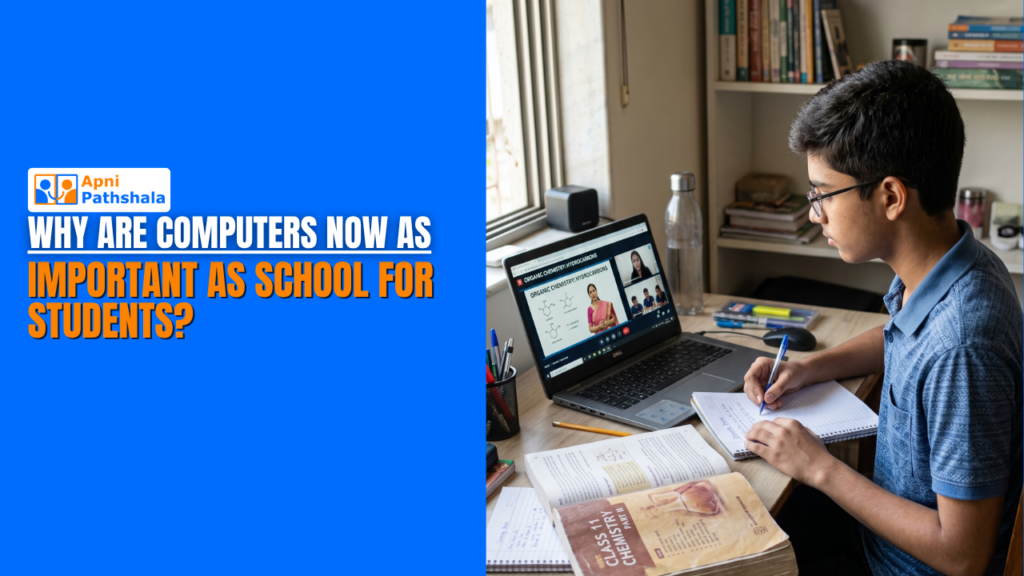
Twenty years ago, a school bag, a set of textbooks, and a good teacher were all a student needed to get a solid education. Today, that list has a new addition, and for millions of Indian students, it is the most important tool they do not yet have. The importance of computers in education has crossed a threshold. A computer is no longer a supplementary device for occasional use. It is as central to a child’s education as the school itself, for practice, for research, for exam preparation, for building skills, and for accessing the enormous library of free educational content available online to anyone with a device.
How the Role of Computers in Education Has Fundamentally Changed
A decade ago, computers in schools were used for basic typing practice and the occasional lesson. Today, the role of computers in student learning goes far deeper. Board exams are moving online. Scholarship tests are computer-based. College applications require digital submissions. Government portals for student welfare, free laptops, scholarships, skill development programmes, all require internet access and basic computer navigation.
Beyond administration, the learning itself has transformed. The best explanations of complex science concepts are not in textbooks; they are in animated videos. The most effective maths practice is not in exercise books; it is on adaptive digital platforms that identify weak areas and generate targeted problems. The most useful revision tool is not a handwritten note; it is a searchable digital document reviewed on screen.
A student who learns only through school, without a computer at home, is receiving half an education. Not because school is inadequate, but because the world of learning has expanded so far beyond what a single teacher in a 45-minute period can possibly deliver.
According to UNICEF’s education research in India, students with access to structured digital learning tools at home consistently outperform those without, across income levels, school types, and geographic locations. The device has become the differentiator.
The Real Benefits of a Computer for Students, Beyond the Obvious
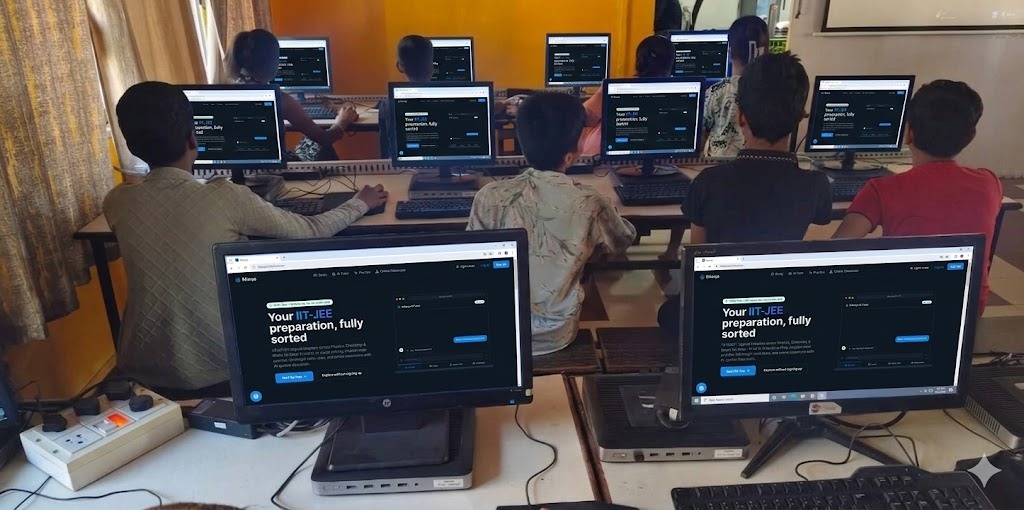
Most parents understand that a computer helps with homework. But the benefits of computers for students go far deeper than homework completion, and the less obvious benefits are often the most valuable:
- Building a research mindset: A student with a computer learns to look things up, question, verify, and explore beyond what the textbook says. This habit of independent inquiry is one of the most valuable intellectual skills any person can develop, and it forms naturally through regular computer use in a learning context.
- Developing career-relevant skills passively: Typing speed, document formatting, spreadsheet basics, email communication, and file organisation. None of these is explicitly taught in most Indian schools, but all are required in virtually every job. A student who uses a computer daily for schoolwork develops these skills without even realising it.
- Access to India’s best free teachers: On DIKSHA, Khan Academy, and YouTube EDU, some of India’s clearest, most effective educators have recorded lessons for every subject and every class. A student in rural Maharashtra has access to the same explanation as a student in a premium school in Mumbai. The computer makes this possible; nothing else does.
- Exam confidence through familiarity: JEE, NEET, government job tests, banking exams, all computer-based. A student who has spent years using a computer comfortably walks into these exams relaxed. A student encountering a computer interface seriously for the first time during a high-stakes exam loses marks to interface confusion rather than knowledge gaps.
- Personalised learning at the child’s own pace: No classroom can teach at the right pace for every child simultaneously. A computer adapts naturally; a student can pause, rewind, revisit, and repeat until understanding is genuine, not approximate.
Explore how Apna PC delivers all of these benefits in a single affordable device on our Why Every Indian Student Needs Their Own Computer page.
Why Digital Learning Importance for Students Cannot Be Overstated in 2026?
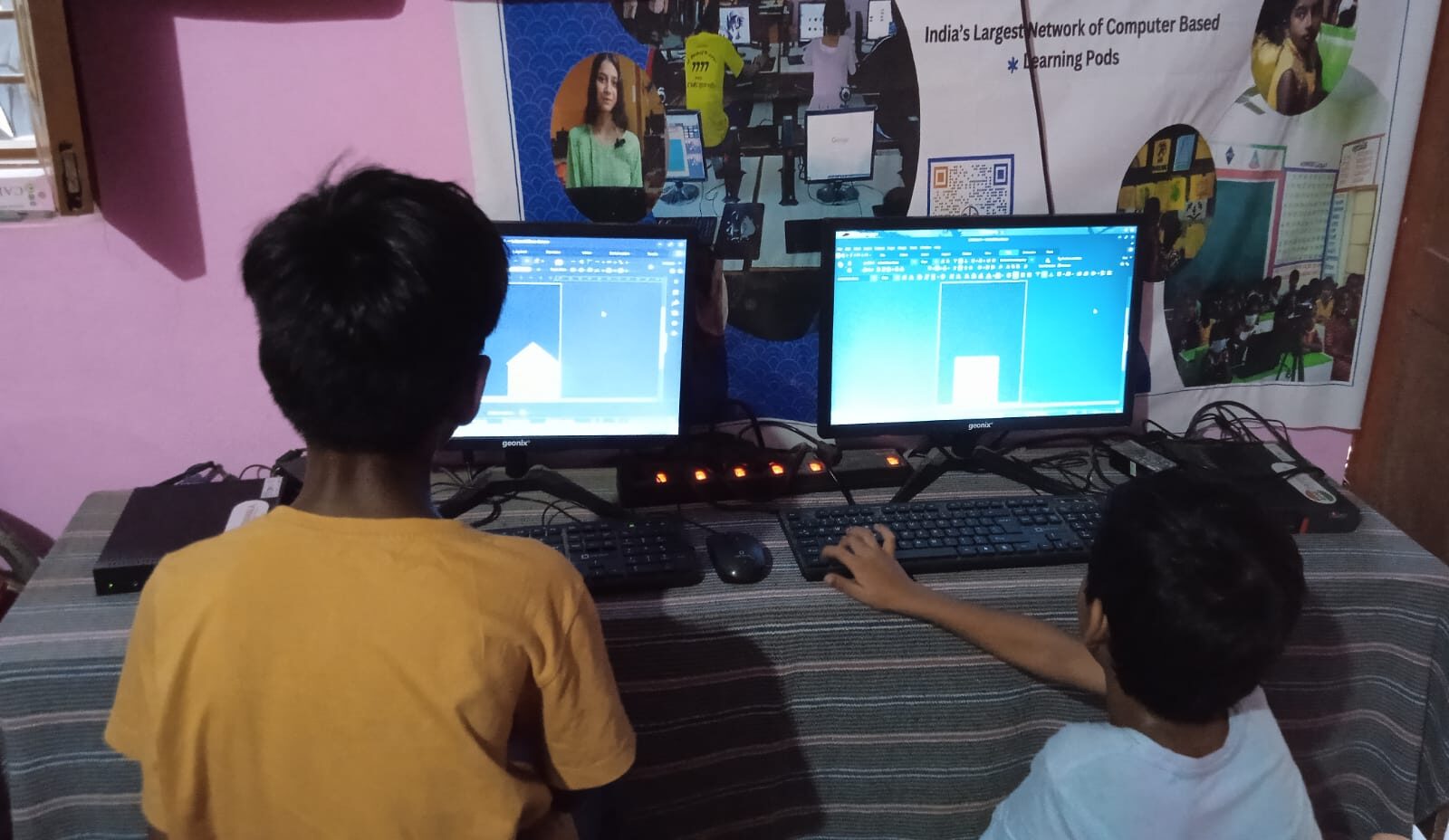
The importance of digital learning for students in India today is not a matter of debate among educators; it is settled. The National Education Policy 2020 explicitly mandates digital literacy as a foundational competency for every student. CBSE has introduced coding from Class 6. State governments are building digital content libraries. The entire infrastructure of Indian education is moving toward technology, and students without a device at home are falling behind.
Apna PC at Rs. 21,000 (shipping and GST excluded) exists precisely because this shift should not be a privilege reserved for families who can afford premium devices. It is a purpose-built educational computer, preloaded with learning tools, with built-in safe browsing, offline-capable, and designed to give every Indian student the same digital learning advantage regardless of their family’s income or location.
CBSE’s updated curriculum framework reflects this reality directly, with digital skills, computer science, and technology-integrated learning embedded across subjects and grade levels. The school system is preparing for a digital future. Students need a device at home to keep pace.
Read more about the real cost of not having a computer for your child’s education on our The Hidden Cost of Not Having a Computer in 2026 page.
School gives a child a curriculum. A computer gives them the world. Together, they give a child a complete education for the century they are actually growing up in. Visit apnapc.com to learn more.