

Online learning has become a normal part of education. From virtual classrooms and homework portals to educational apps and video lessons, children are spending more time online than ever before. While digital tools offer great learning opportunities, they also come with risks. Protecting your child’s online safety is not about fearit’s about awareness, guidance, and smart habits.
Here’s how parents can ensure their children stay safe while learning online.
1. Choose Safe and Trusted Learning Platforms
Not all websites and apps are designed with children’s safety in mind. Always select platforms that are:
- Education-focused
- Age-appropriate
- Ad-free or with minimal distractions
- Secure with password protection
Research reviews and privacy policies before allowing your child to use a new platform.
2. Protect Personal Information
Children often do not understand the importance of privacy. Teach them never to share:
- Full name (unless required by school platforms)
- Home address
- Phone numbers
- Passwords
- Personal photos
Explain that not everyone online is trustworthy, even if they seem friendly.
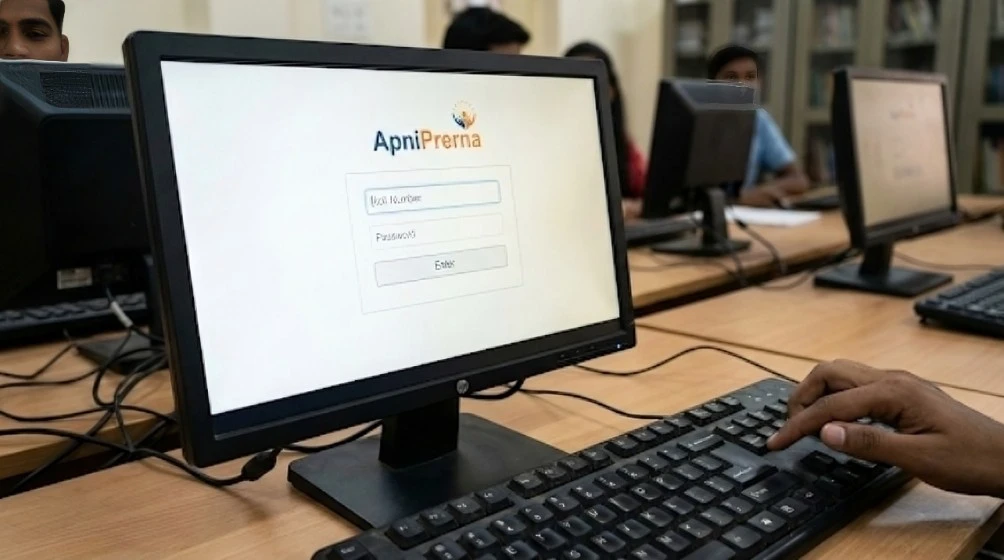
3. Set Strong Password Habits
Strong passwords are the first layer of digital protection.
Help your child:
- Create unique passwords
- Use a mix of letters, numbers, and symbols
- Avoid sharing passwords with friends
You can also use parental password management tools to keep accounts secure.
4. Use Parental Controls Wisely

Parental controls are helpful, especially for younger children. These tools can:
- Limit screen time
- Block inappropriate websites
- Monitor usage patterns
However, controls should support learning not replace communication. Trust and conversation are just as important as technology.
5. Keep Devices in Shared Spaces
Whenever possible, encourage children to use learning devices in common areas like the living room. This creates natural supervision without making children feel watched constantly.
Being nearby allows you to:
- Notice unusual behavior
- Offer help when needed
- Encourage focused learning
6. Teach Digital Etiquette and Respect
Online safety is not only about protection from others it’s also about how children behave online.
Teach them to:
- Be respectful in chats and comments
- Avoid sharing hurtful messages
- Report bullying or inappropriate content
Good digital behavior builds confidence and protects mental well-being.
7. Encourage Open Communication
Make sure your child feels comfortable talking to you about their online experiences.
Ask simple questions like:
- Did anything online make you uncomfortable today?
- Did someone message you unexpectedly?
- Do you know how to report something inappropriate?
When children trust you, they are more likely to speak up if something feels wrong.
8. Teach Them to Recognize Warning Signs
Children should know what unsafe situations look like online. Teach them to be cautious of:
- Strangers asking for personal information
- Suspicious links
- Pop-ups asking for downloads
- Messages that make them feel scared or pressured
Knowing these warning signs empowers them to make safer choices.
9. Maintain Healthy Screen-Time Boundaries
Too much screen time can lead to fatigue, distraction, and reduced awareness. Create clear learning schedules and encourage regular breaks.
Balanced routines improve:
- Focus
- Emotional well-being
- Safe digital habits
Safety also includes mental and physical health.
10. Stay Updated on Digital Trends
Technology changes quickly. Stay informed about:
- Popular apps
- Social media trends
- New learning platforms
Understanding the digital world helps you guide your child more effectively.
Conclusion
Protecting your child’s online safety while they learn is a shared responsibility. With the right tools, clear communication, and consistent guidance, online learning can be safe, productive, and empowering.
The goal is not to restrict technology but to teach children how to use it responsibly. When safety and awareness go hand in hand, digital learning becomes a powerful and secure part of your child’s education.