

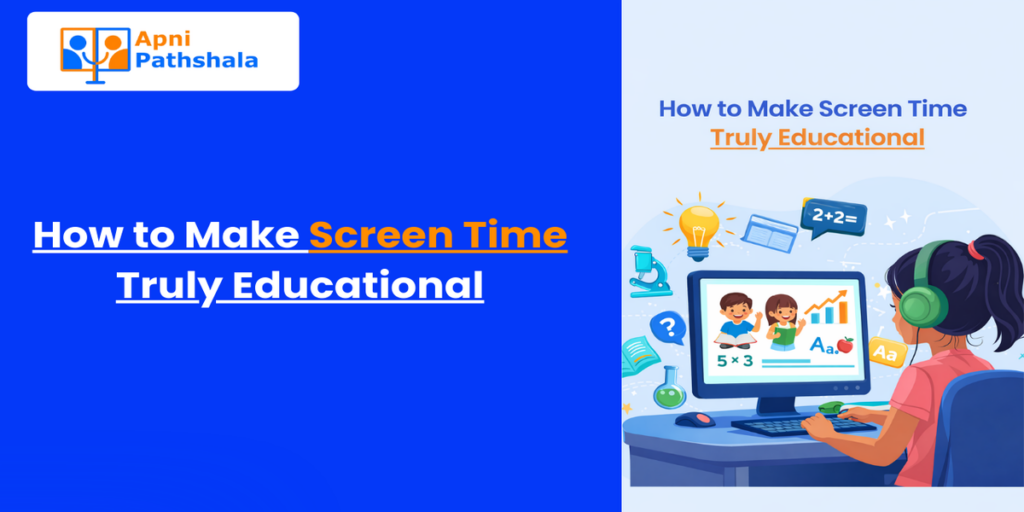
Screens are now a part of everyday life for children. From online classes and learning apps to videos and digital assignments, screen time has become unavoidable. While excessive or unstructured screen use can be harmful, the right approach can turn screen time into a powerful educational tool. The key lies in how screens are used, not just how long they are used.
Understanding the Difference Between Passive and Active Screen Time
Not all screen time is equal. Passive screen time includes mindless scrolling or watching videos without interaction. Active screen time, on the other hand, engages children in thinking, creating, and problem-solving.
Educational screen time should encourage children to:
- Ask questions
- Make decisions
- Practice skills
- Apply what they learn
When children actively participate, screens support learning instead of replacing it.
Set Clear Learning Goals
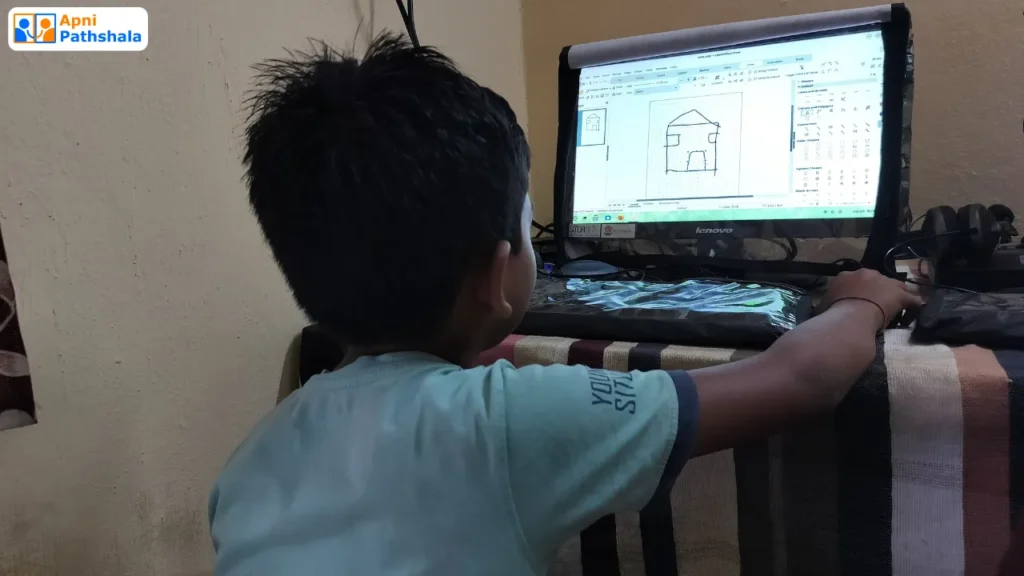
Screen time becomes meaningful when it has a purpose. Instead of allowing random usage, set clear goals for what children should learn or practice during their screen sessions.
Examples include:
- Completing online lessons or assignments
- Practicing reading, math, or coding
- Exploring creative tools like drawing or writing platforms
When children know why they are using a screen, they stay focused and motivated.
Choose the Right Educational Content
Quality matters more than quantity. Educational apps, platforms, and videos should be age-appropriate, well-structured, and aligned with learning objectives.
Good educational content:
- Encourages critical thinking
- Explains concepts clearly
- Avoids unnecessary ads or distractions
- Supports curiosity and creativity
Carefully selected content ensures that screen time contributes positively to learning.
Balance Screen Time With Real-Life Learning
Screens should support learning, not replace real-world experiences. Children learn best when digital learning is combined with offline activities like reading books, writing, drawing, discussions, and hands-on practice.
For example, a child can:
- Watch a science video and then try a simple experiment
- Learn a concept online and explain it aloud
- Practice math digitally and solve problems on paper
This balance strengthens understanding and retention.
Encourage Interaction and Discussion
Learning becomes deeper when children talk about what they see and learn on screens. Parents and educators should ask questions, discuss ideas, and encourage children to share their thoughts.
Simple discussions help children:
- Reflect on what they learned
- Improve communication skills
- Develop critical thinking
- Connect concepts to real life
Screens should start conversations, not end them.
Create Healthy Screen-Time Boundaries
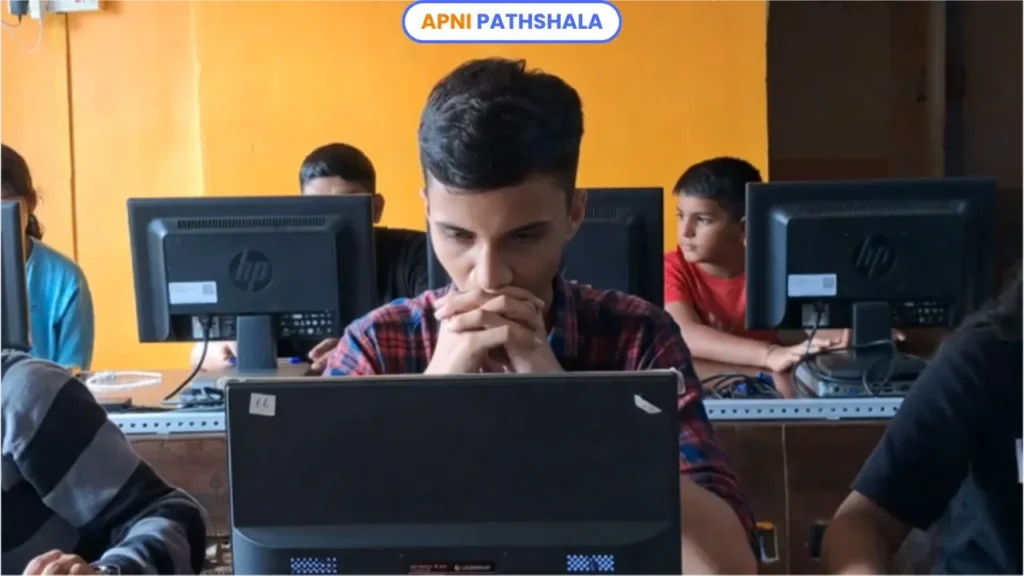
Educational screen time still needs limits. Fixed schedules, regular breaks, and screen-free times help children stay mentally and physically healthy.
Healthy habits include:
- Scheduled learning sessions
- Breaks for movement and rest
- No screens during meals or sleep time
When boundaries are clear, children use screens more responsibly.
Teach Digital Responsibility Early
Educational screen time is also an opportunity to teach digital responsibility. Children should learn how to behave online, protect their privacy, and use technology ethically.
This includes:
- Respecting others online
- Avoiding harmful or unsafe content
- Understanding the value of focused learning
These lessons prepare children for a safe and confident digital future.
Role of Parents and Educators
Adults play a crucial role in guiding screen usage. When parents and educators model balanced screen habits and stay involved, children follow naturally.
Rather than banning screens, guiding their use helps children understand that technology is a tool for learning, not distraction.
Conclusion
Screen time becomes truly educational when it is purposeful, guided, and balanced. By choosing the right content, setting clear goals, encouraging interaction, and maintaining healthy boundaries, screens can support learning in powerful ways.
When used wisely, screen time does not take away from education it enhances it. The goal is not less screen time, but better screen time.