

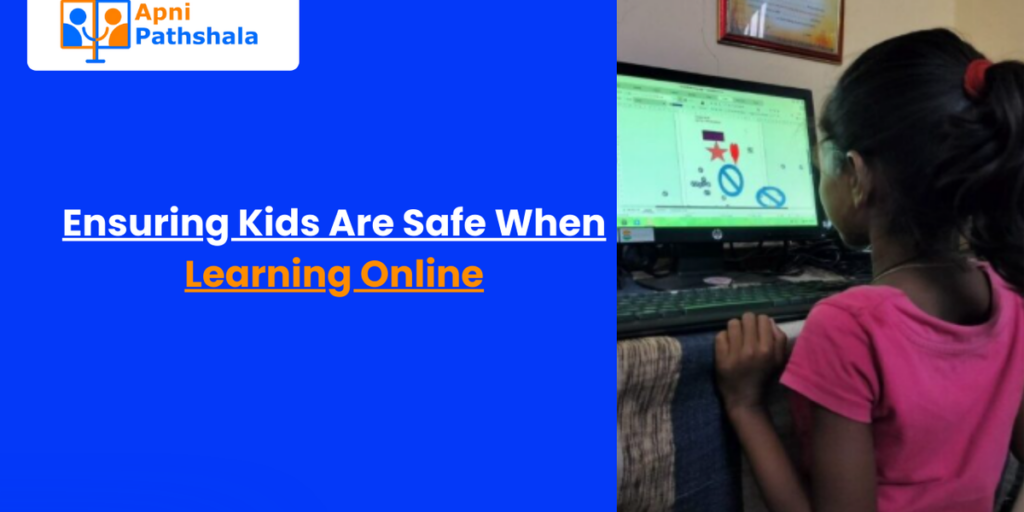
Online learning has become an essential part of modern education. From virtual classrooms to digital homework and educational videos, children today are spending more time online than ever before. While technology opens doors to knowledge and opportunity, it also brings new risks. Ensuring kids are safe when learning online is not optional it is a responsibility shared by educators, parents, and learning platforms.
Why Online Safety for Kids Matters
Children are naturally curious and trusting. In digital spaces, this can make them vulnerable to inappropriate content, online harassment, misinformation, and privacy risks. Without proper safeguards, online learning environments can become distracting or even harmful.
A safe digital learning space helps children focus on learning, builds confidence, and protects their mental and emotional well-being. When safety is prioritized, technology becomes a powerful ally rather than a threat.
Creating a Safe Digital Learning Environment
Online safety starts with creating structured and controlled learning environments. Children should access educational platforms that are designed specifically for learning and monitored regularly.
A safe environment includes:
- Age-appropriate content
- Secure login systems
- Limited exposure to external links and ads
- Clear learning boundaries
These measures reduce unnecessary risks and keep children focused on educational goals.
Protecting Children’s Privacy
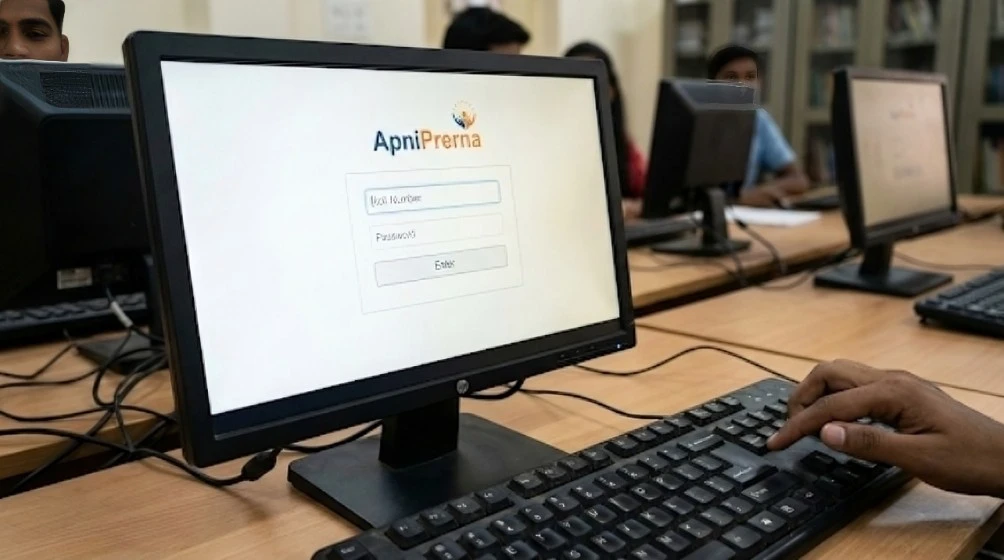
Privacy is one of the most critical aspects of online safety. Children often do not understand how personal information can be misused. Learning platforms must ensure that student data is protected and not shared without consent.
Parents and educators should also guide children to:
- Avoid sharing personal details online
- Use strong passwords
- Understand the importance of digital privacy
Teaching these habits early helps children become responsible digital citizens.
Monitoring Without Controlling
Safety does not mean constant surveillance. Children need space to explore and learn independently, but with guidance. The key is balanced monitoring being aware of what children are doing online without making them feel restricted or mistrusted.
Open communication plays a major role here. When children feel comfortable discussing their online experiences, they are more likely to report problems and seek help when needed.
Teaching Digital Awareness and Responsibility
Online safety is not just about tools and filters it is also about education. Children should be taught how to behave responsibly online, how to identify unsafe situations, and how to respond if something feels wrong.
This includes learning about:
- Respectful online behavior
- Recognizing inappropriate content
- Understanding cyberbullying and how to report it
- Using technology for learning, not distraction
When kids understand the “why” behind online rules, they follow them more naturally.
The Role of Parents and Educators
Parents and educators play a crucial role in ensuring online safety. Regular conversations about digital habits, setting screen-time boundaries, and guiding children toward trusted platforms make a significant difference.
Rather than fearing technology, adults should aim to understand it and use it as a tool to support safe and effective learning.
Building Trust Through Safe Learning Spaces
When children feel safe online, they are more confident, curious, and engaged. Safe learning environments build trust not only in technology but also in the people guiding them. This trust encourages children to ask questions, express ideas, and explore new concepts without fear.
A strong foundation of safety leads to better learning outcomes and healthier digital habits.
Preparing Kids for a Digital Future
Online learning is not a temporary phase it is part of the future. Teaching children how to learn safely online prepares them for lifelong digital engagement. They develop awareness, responsibility, and confidence that extends beyond classrooms into real life.
By focusing on safety today, we help children grow into informed, capable, and secure digital learners tomorrow.
Conclusion
Ensuring kids are safe when learning online is about more than protection it is about empowerment. With the right environment, guidance, and awareness, online learning can be both safe and transformative. When children are protected and supported, technology becomes a space for growth, creativity, and meaningful education.