

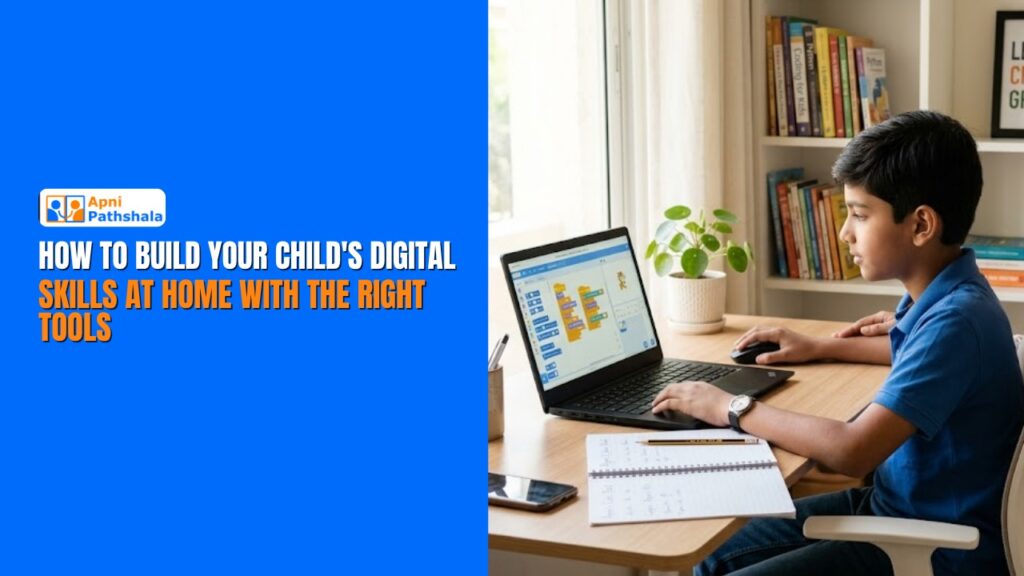
Priya is in Class 8 in Nagpur. Her classmate Arjun already knows how to make a presentation, type fast, and search for information online. Priya has never touched a computer at home. By the time they reach Class 10, that gap will show, in confidence, in results, and in opportunities. Building digital skills for children in India at home is no longer a luxury. It is something every parent can and should start today.
What Are Digital Skills and Why Do Children Need Them?
Digital skills are the basic abilities every person needs to use technology confidently and safely. For children, this includes typing, using educational software, browsing the internet responsibly, creating documents, and understanding how devices work.
When you teach a child digital skills in an India-style, in simple steps, in their own language, at their own pace, children absorb it naturally. These skills are not just about technology. They build problem-solving, patience, creativity, and independence. A child who knows how to use a computer well is better prepared for every subject in school and every challenge after it.
How to Build Digital Skills at Home Step by Step
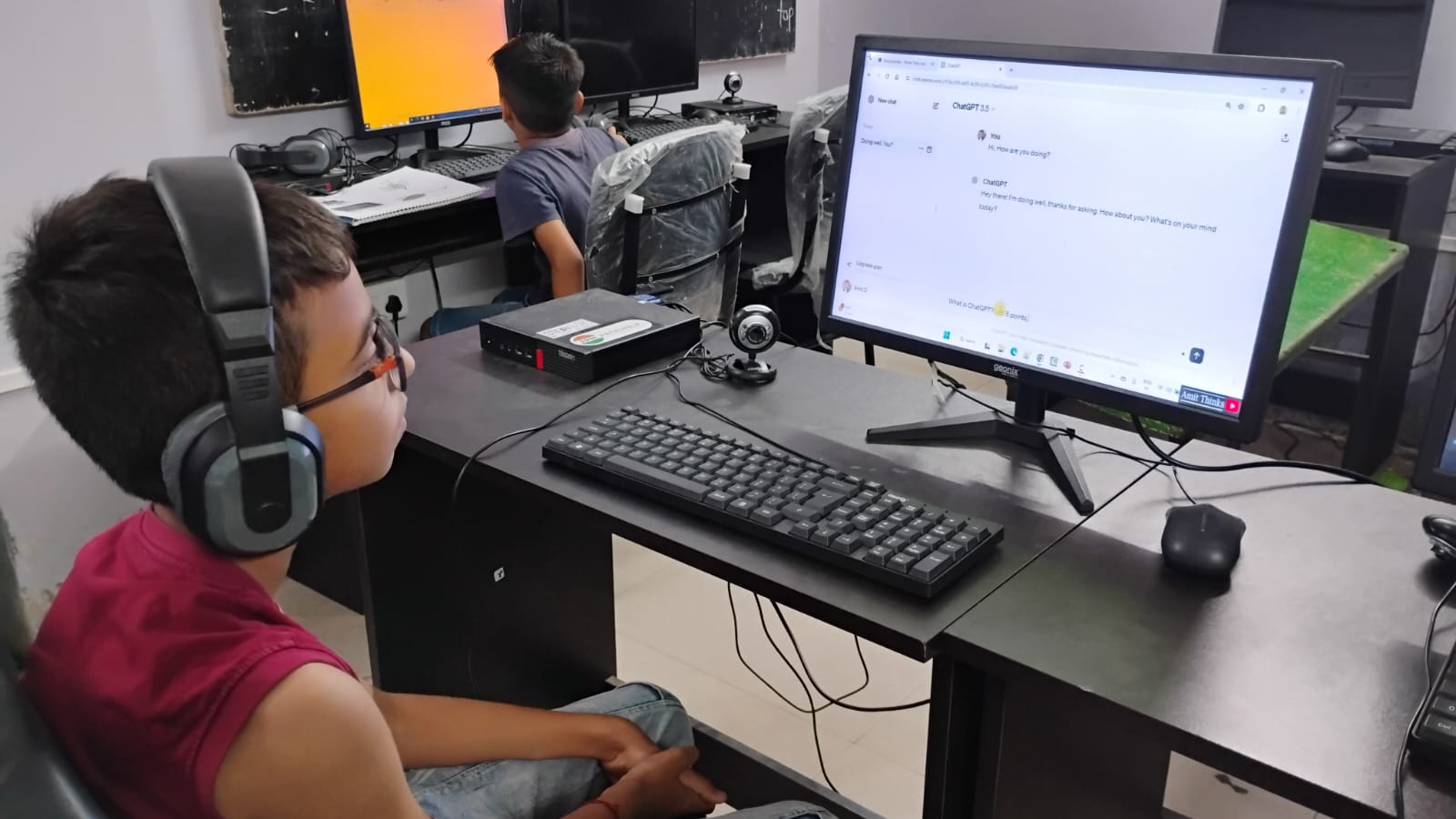
You do not need to be a tech expert to help your child learn digital skills. Here is a practical approach any Indian parent can follow:
- Start with basics: Teach your child to type, save files, and organise folders. These simple habits build confidence and set the foundation for everything else.
- Use educational apps and platforms: Tools like Khan Academy, DIKSHA, and Google for Education offer free, structured learning for every age group and subject.
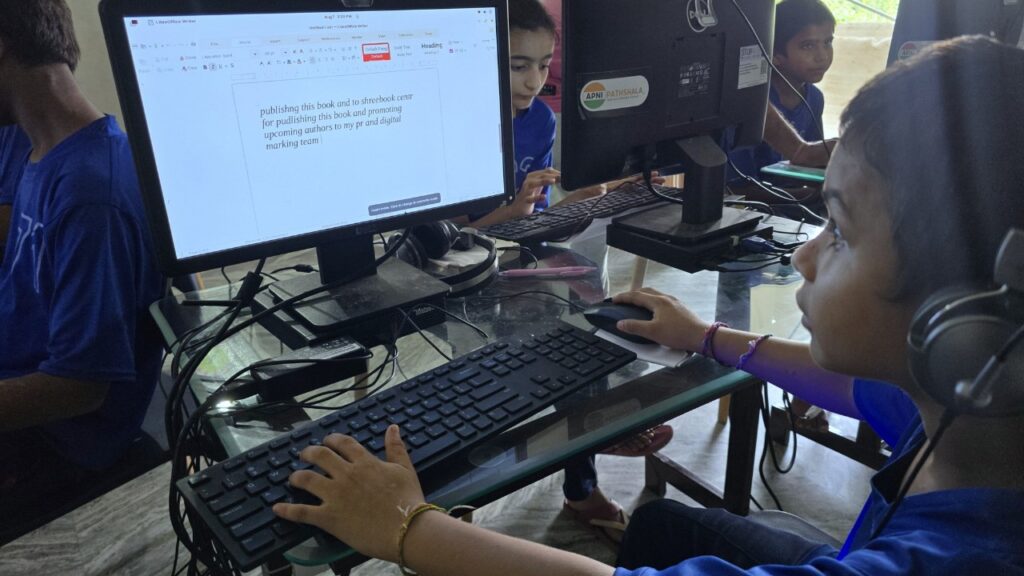
- Introduce home computer education India through projects: Ask your child to make a presentation about their favourite topic, create a simple drawing using Paint, or write a short story in a word processor. Learning by doing works best.
- Set a daily learning schedule: Even 30-45 minutes of purposeful screen time on a computer each day can lead to significant progress over a few months.
- Sit with them in the beginning: The first few weeks matter most. Guide them, answer questions, and make it feel like an exciting activity, not homework.
The goal is not to make your child a programmer overnight. It is to make them comfortable, curious, and capable with technology.
What About Coding? Is It Right for Every Child?
indian parents are asking about coding for kids more and more, and for good reason. Coding teaches children how to think logically, break problems into steps, and create solutions. But it does not have to be complicated or intimidating.
Free platforms like Scratch (by MIT) let children as young as 8 create animations and games using simple drag-and-drop blocks. Code.org offers structured beginner lessons in Hindi and English. Even 20 minutes of coding practice a week helps build computational thinking, a skill that benefits children in maths, science, and beyond.
You do not need to enrol your child in expensive coding classes. A good computer at home and the right free resources are more than enough to get started.
Who Will Benefit Most From This?
- Students in Class 4-10: This is the ideal age to build a strong digital foundation. Children at this stage learn fast and retain skills well when introduced in a fun, low-pressure way.
- Parents in Tier 2 and Tier 3 cities: You do not need a city tutor or a coding academy nearby. A computer at home and free online resources can replace expensive classes entirely.
- Schools and NGOs: Digital skill-building does not have to stop at school. Encouraging parents to continue learning at home creates a stronger, more consistent impact on children.
Your child does not need to wait for school to teach them digital skills. You can start today, at home, with the right tools and a little encouragement. Apna PC is designed for exactly this, giving Indian families an affordable, ready-to-use learning computer that works from day one. Visit apnapc.com to learn more.