

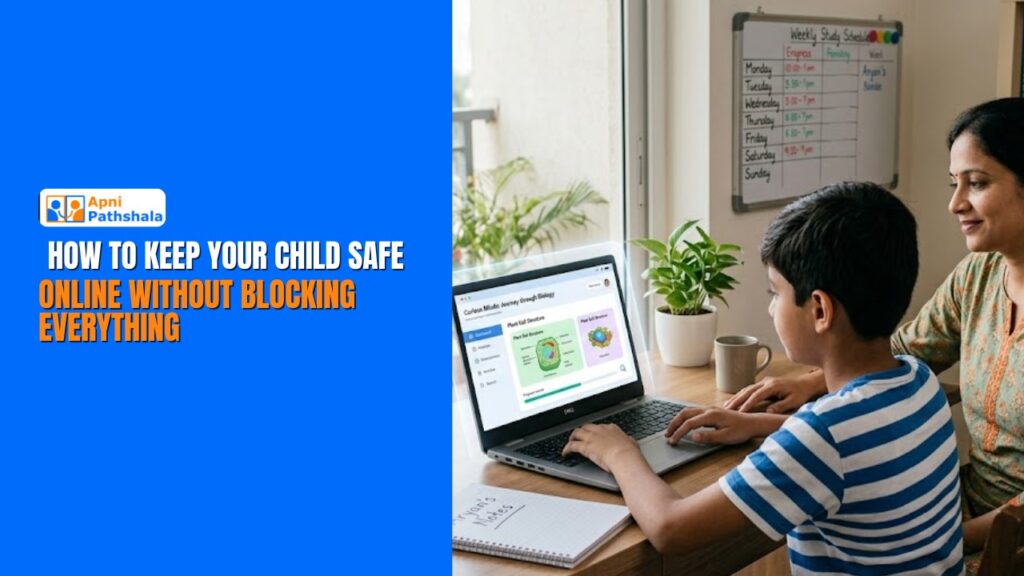
Rahul is 12 years old and lives in Indore. His parents gave him internet access for school, but within two weeks, he had stumbled onto videos that were clearly not meant for him. His parents panicked and took away the tablet completely. Now Rahul is falling behind in class because he cannot access his study material. This story repeats itself in homes across India every single day. Child online safety India is not about switching everything off, it is about switching on the right protections.
What Are the Real Online Risks for Indian Children?
Before setting any rules, parents need to understand what they are protecting against. The internet is not one thing, it is millions of places, and some of them are genuinely dangerous for children.
The most common risks include exposure to violent or adult content, cyberbullying from classmates or strangers, addictive short-video platforms that steal hours without children realising, online predators in gaming or chat apps, and misleading or false information. In India, where many children first access the internet through a shared family smartphone with no filters, these risks are especially high.
According to a UNICEF report on children in India, a growing number of children are accessing the internet unsupervised, making parental awareness more important than ever. Understanding the risk is the first step. The second step is using smart parental controls India families can actually set up, without needing to be a tech expert.
Practical Ways to Keep Your Child Safe Online
Here is what actually works, without cutting your child off from the digital world entirely:
- Use Google Family Link: This free app lets Indian parents approve app downloads, set screen time limits, and see what their child is doing online, all from their own phone.
- Set up Safe Search: On any browser, you can turn on Google Safe Search to filter out adult content automatically. It takes less than two minutes to activate.
- Place devices in shared spaces: Keep computers and tablets in the living room or common area, not in the bedroom. Supervised use naturally reduces risky behaviour.
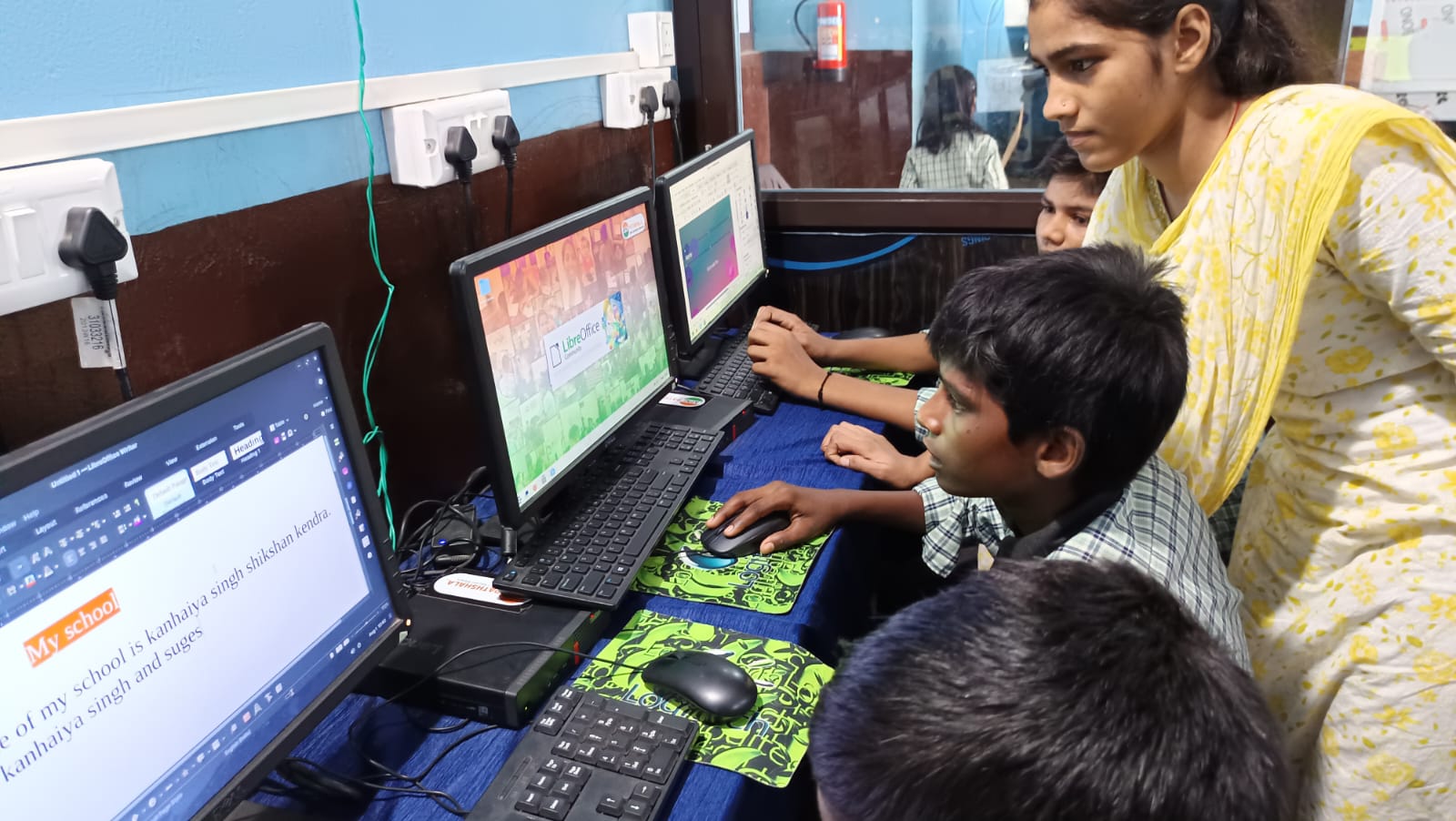
- Use purpose-built devices: A dedicated safe browsing children India solution like Apna PC comes with student-safe browsing built in. Children can only access educational content and approved tools, no entertainment apps or unfiltered internet.
- Create a family agreement: Sit down together and agree on rules, what sites are allowed, what hours devices can be used, and what to do if they see something uncomfortable online. Children respect rules they helped create.
None of these steps require technical knowledge. They just require intention and consistency. Read more about how Apna PC keeps students protected on our Why Every Indian Student Needs Their Own Computer page.
Why Internet Safety Matters More in Indian Homes Right Now
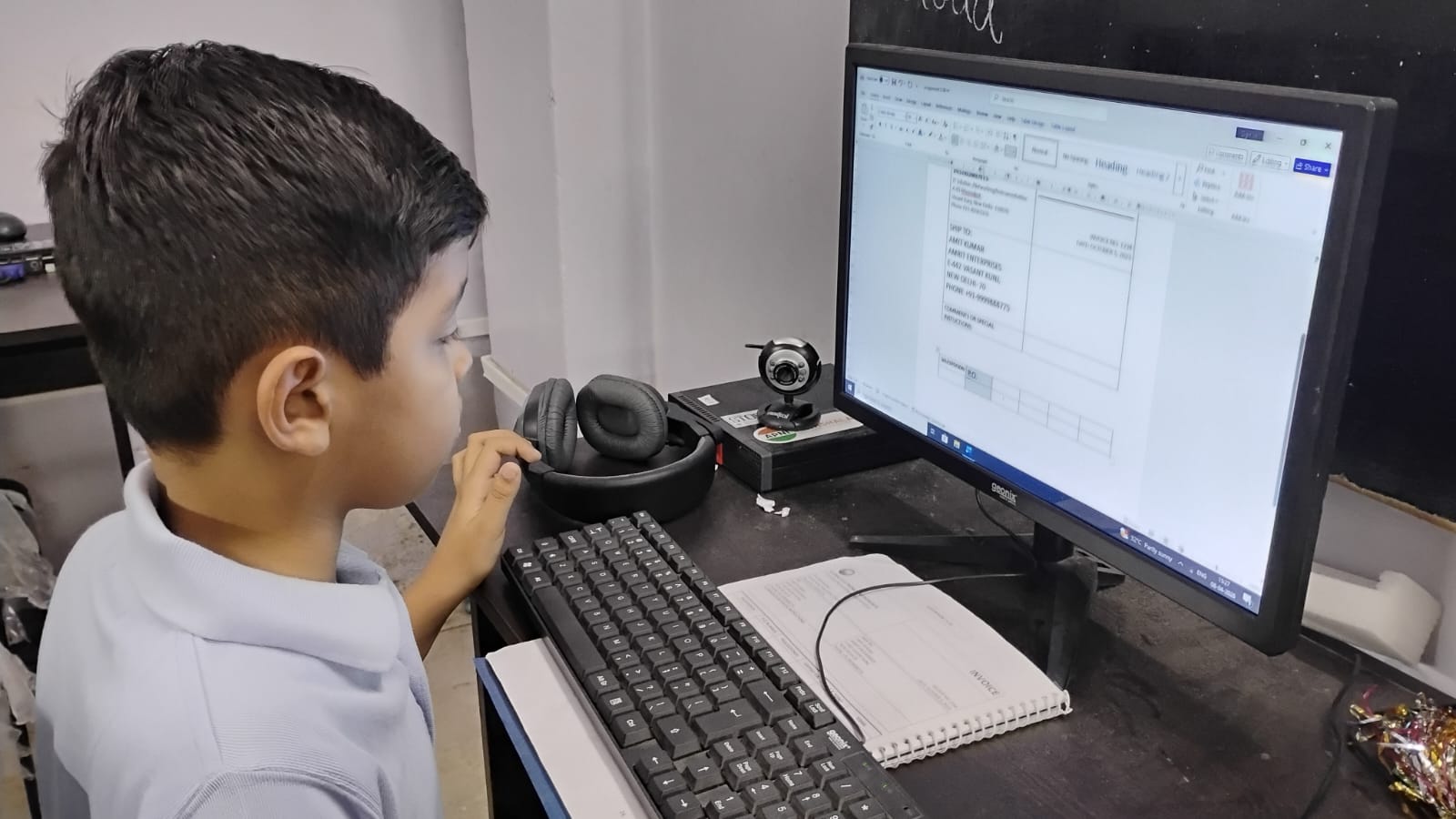
India now has over 900 million internet users. A large and growing number of them are children, many accessing the internet for the very first time through affordable smartphones and shared devices at home.
The challenge is that most Indian parents did not grow up with the internet. They understand real-world risks, stranger danger, bad company, unsafe neighbourhoods, but the digital world feels unfamiliar and hard to monitor. This gap in awareness is exactly what makes children vulnerable.
Good internet safety for kids does not require parents to become cybersecurity experts. It requires awareness, a few simple tools, and honest conversations. When children understand why certain sites are blocked or why screen time is limited, they are far more likely to follow the rules, and come to their parents when something goes wrong online.
The Ministry of Electronics and Information Technology has published cyber safety guidelines specifically for Indian families. These resources are free, practical, and written in simple language, worth bookmarking for every parent.
This is also where having the right device matters. Apna PC is designed for Indian homes where parents want their children to learn, not wander. At Rs. 21,000 (shipping and GST excluded), it is a purpose-built educational computer with safe browsing built in from day one. No setup needed. No filters to configure manually.
Who Should Read This?
- Parents of children aged 6–16: If your child uses the internet for any reason, school, entertainment, or communication, online safety starts with you, and it starts today.
- Students in upper primary and secondary school: Old enough to understand risks, young enough to build safe digital habits that will last a lifetime.
- Schools and NGOs: Digital safety education should be part of every school curriculum. Sharing these guidelines with parents can make a real community-wide difference.
The Right Device Makes All the Difference
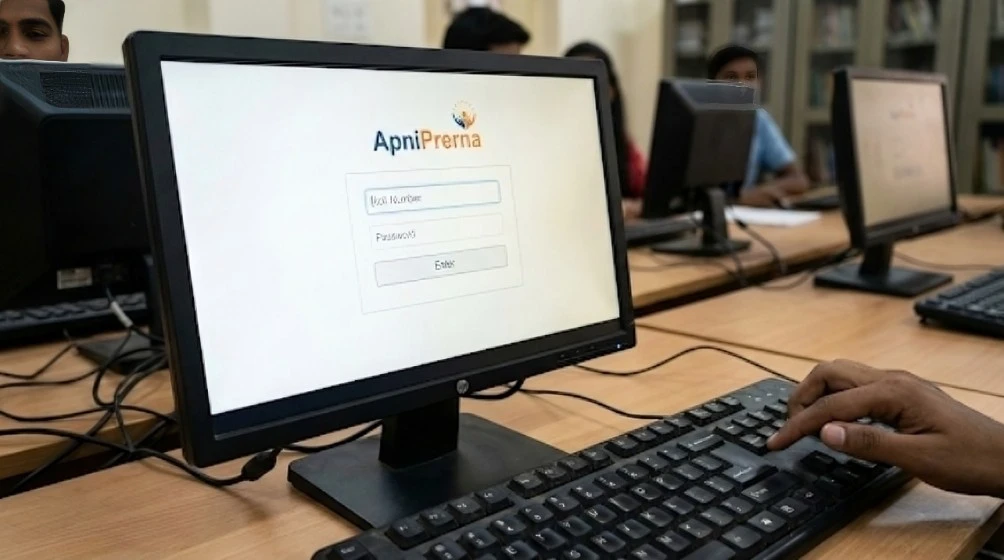
Most Indian families use a single smartphone for everything, work, entertainment, and a child’s studies. This setup makes it almost impossible to enforce healthy digital boundaries. A dedicated educational computer changes everything.
When a child has their own device built specifically for learning, with safe browsing, no social media apps, and educational tools preloaded, parents do not need to police every session. The device does that work for them. That is the Apna PC promise: a safe, structured, affordable computer designed for Indian students from Class 1 to Class 12.
You can explore how Apna PC supports safe learning at home on our What Is Apna PC page.
Keeping your child safe online is not about fear, it is about being prepared. The right tools, the right conversations, and the right device can make all the difference. Visit apnapc.com to learn more.