

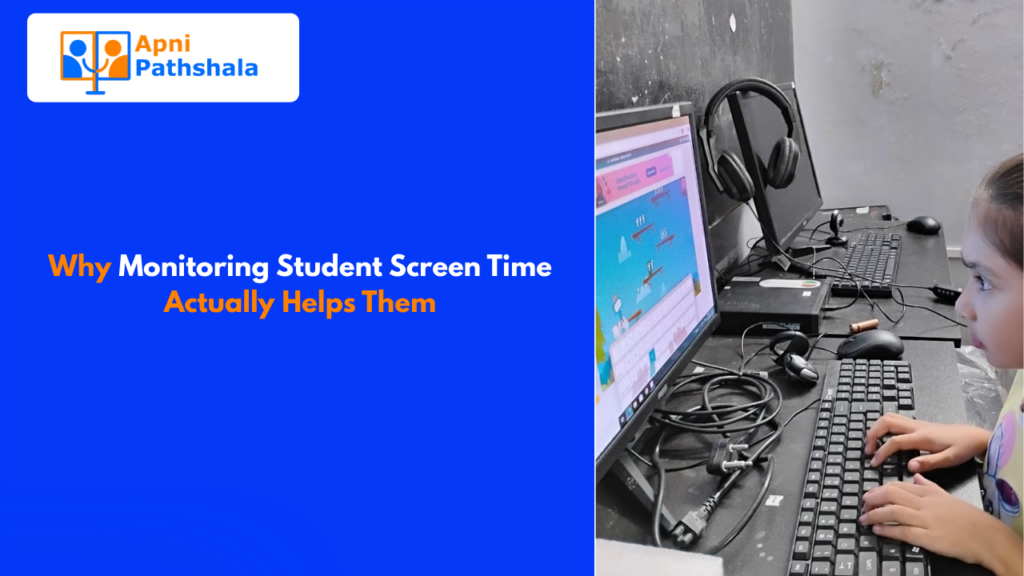
Most parents have been there. You hand your child a computer for homework and two hours later they’re deep in YouTube rabbit holes, homework untouched.
The instinct is to take the device away. But that’s not really solving the problem it’s just postponing it.
What actually helps is visibility. Knowing what’s happening on the screen so you can have real conversations about it.
Monitoring Is Not Spying
There’s an important distinction here that gets lost in the debate about kids and screens.
Spying is covert. It’s looking for proof of wrongdoing, gathering information to punish. Monitoring is transparent. It’s knowing what’s going on so you can guide and support.
The best parents aren’t the ones who have the strictest rules. They’re the ones who have the most honest conversations. And you can’t have those conversations if you have no idea what your child is actually doing online.
What Students Actually Do When Left Unsupervised
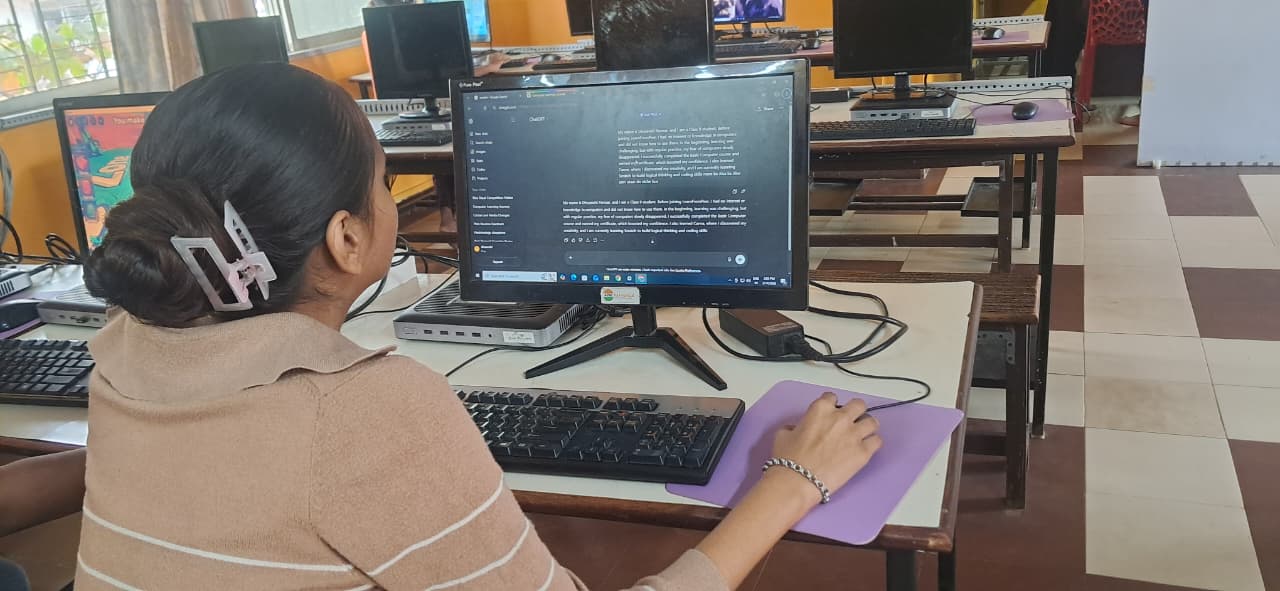
This isn’t a criticism of kids it’s just reality. Without structure, most students drift toward entertainment over education. That’s not a character flaw. That’s human nature.
- Educational apps get replaced by games
- Research sessions turn into video watching
- Homework time shrinks as social media time grows
- Sleep gets delayed because “just five more minutes” stretches to midnight
None of this makes a child bad. But unmonitored, it adds up. And the effects on learning are real.
The Research Is Clear
Multiple studies including research from the World Health Organization and the American Academy of Pediatrics have found that excessive and unstructured screen time is linked to sleep disruption, reduced attention span, and lower academic performance.
But here’s what those same studies also show: when screen time is structured and supervised, many of the negative effects disappear. The device isn’t the problem. The lack of structure is.
What Good Monitoring Looks Like
Good monitoring gives parents a clear picture without turning every interaction into an interrogation.
- Activity summaries what apps and websites were used, and for how long
- Usage patterns when is the computer being used most? Late nights? During school hours?
- Educational vs. entertainment ratio how much time is genuinely productive?
- Progress indicators is the student actually using the educational tools available?
With that information, a parent can have a conversation that’s specific and helpful: “I noticed you spent three hours on YouTube yesterday. What were you watching? Did you finish your assignment?”
That’s a very different conversation than “stop using the computer so much.”
It Helps Students Build Self-Awareness
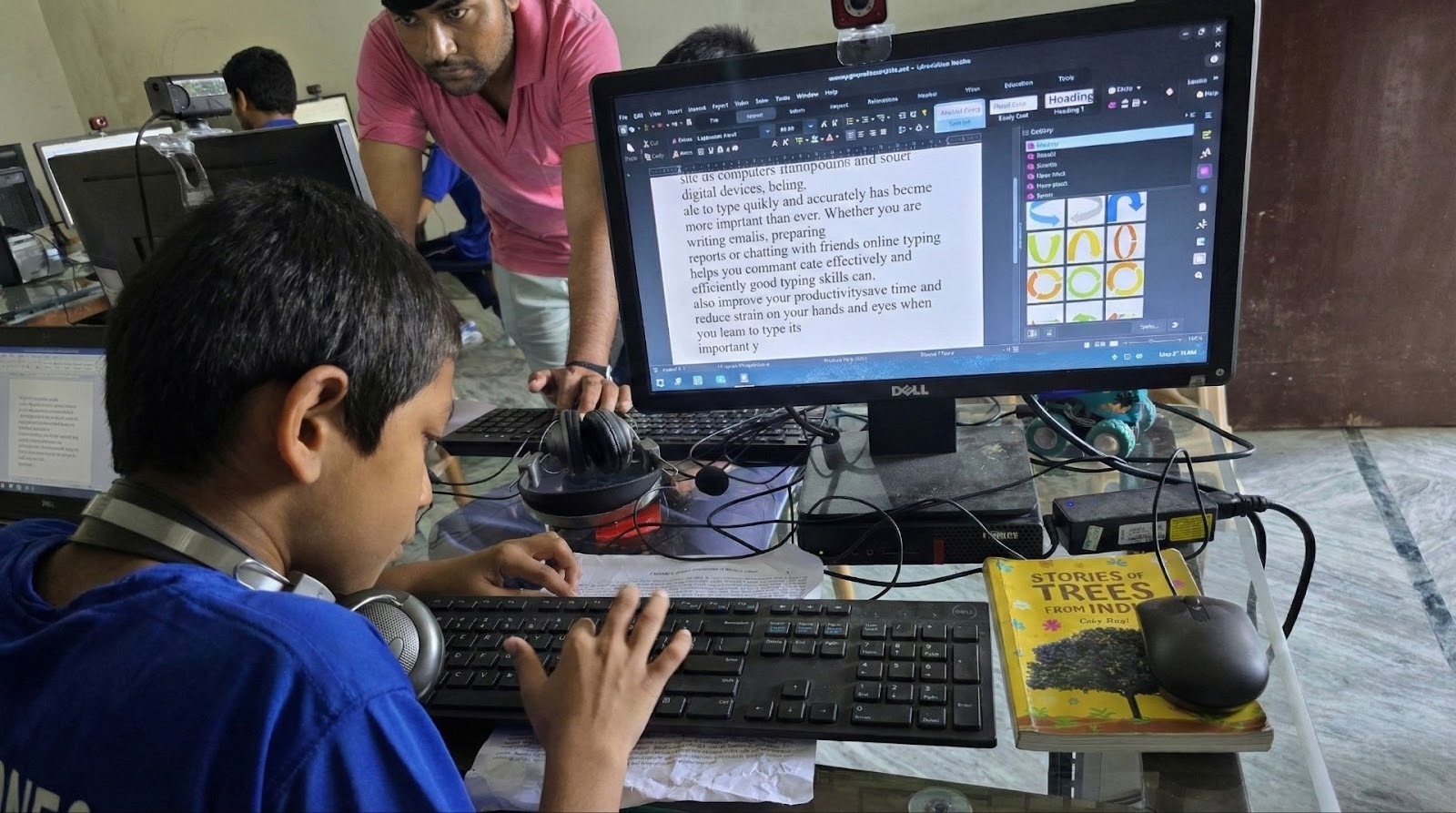
Here’s something most people don’t think about: when students know their screen time is being tracked, many of them start to self-monitor.
They become more aware of how they’re spending their time. They start making better choices on their own not because someone is watching, but because they’ve internalized the habit of asking “is this actually useful?”
That self-awareness is a skill. And it’s one that serves students for life in college, in work, in every situation where they have to manage their own time without someone guiding them.
The Goal Is Independence, Not Control
Monitoring isn’t supposed to last forever. The goal is to help students build habits that eventually don’t need monitoring.
Think of it like training wheels. Not because the child is incapable, but because learning a new skill managing digital time and attention is easier with some scaffolding at the start.
Sivani S., an 18-year-old B.Com student at ATMA Gurukulam Thrissur, didn’t get to where she is by accident. She developed the discipline to use technology productively. That discipline was built over time with support, structure, and feedback.
Students who grow up with thoughtful monitoring tend to become more digitally responsible adults. Not more restricted ones.
What Parents Can Do
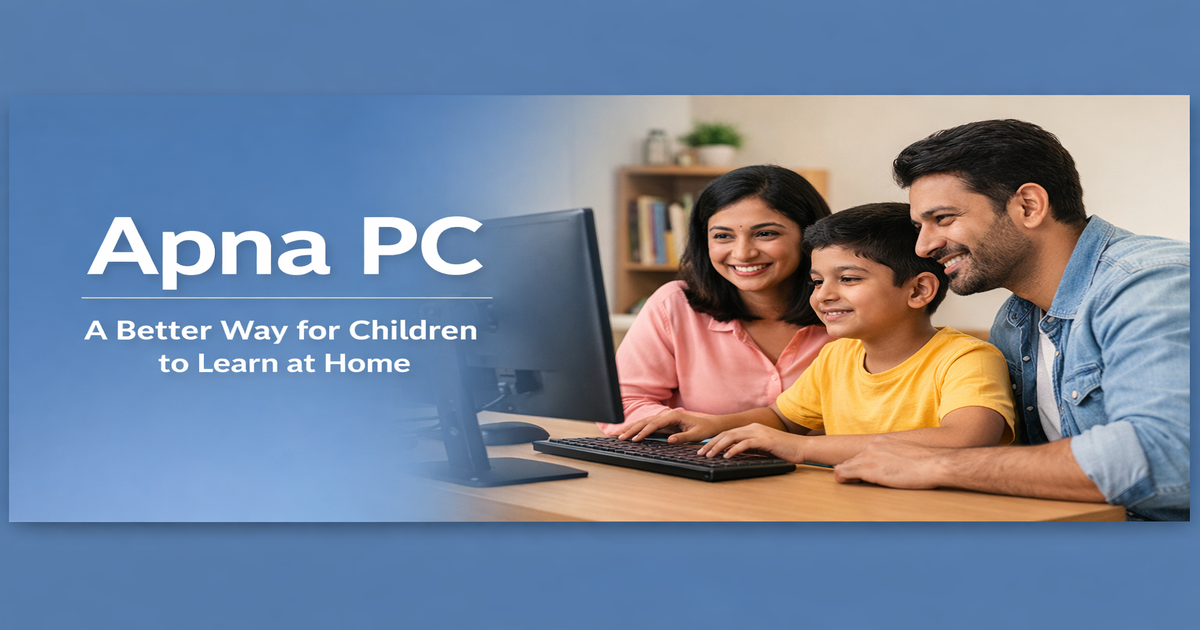
- Be transparent tell your child that the computer tracks activity, and why
- Set goals together homework first, then some free time
- Review data weekly make it a conversation, not a punishment
- Celebrate good weeks positive reinforcement works better than restrictions
- Adjust as trust grows give more freedom as students demonstrate responsibility
Monitoring isn’t the end state. It’s a tool that helps students get to a better one.
Want to understand exactly how your child is learning on their computer? Apna PC’s built-in tools make it simple and honest.