

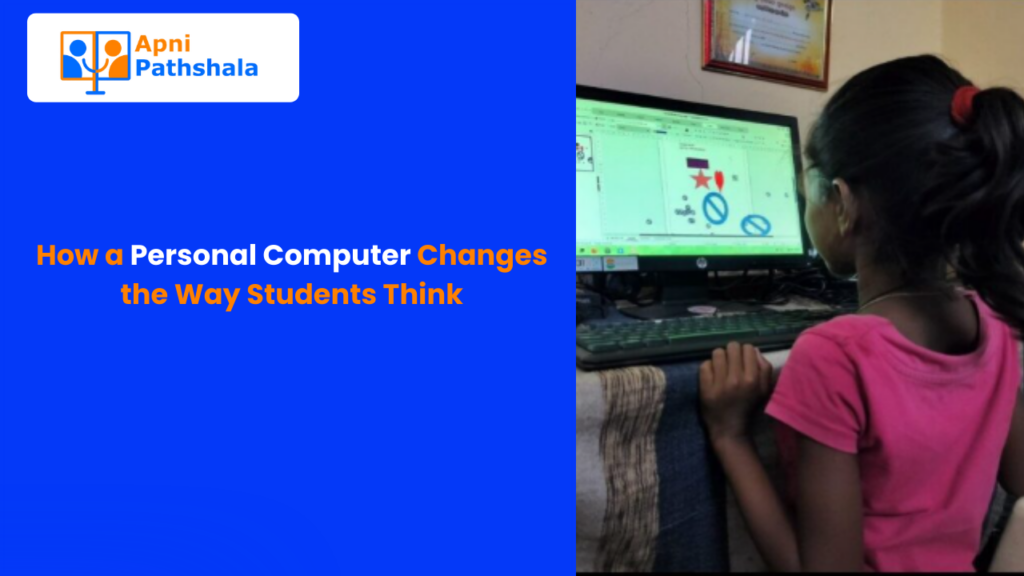
A personal computer is often seen as just a device for studying, attending classes, or completing assignments. But its impact goes far beyond academics. When a student has access to a personal computer, it does not just change how they learn it changes how they think.
Digital access influences problem-solving, creativity, independence, and confidence. It shapes mindset.
Let’s explore how.
1. From Passive Learning to Active Thinking
Traditional learning often involves listening, memorizing, and repeating. With a personal computer, students move toward active learning.
They begin to:
- Search for information independently
- Compare multiple sources
- Analyze data
- Experiment with ideas
Instead of waiting for answers, they start seeking solutions.
That shift builds analytical thinking.
2. Encouraging Structured Problem-Solving
When students use a computer, they naturally encounter tasks that require step-by-step thinking:
- Writing documents
- Creating presentations
- Learning basic coding
- Troubleshooting technical issues
These activities train the brain to think logically and systematically.
Problem-solving becomes a habit.
3. Developing Research Mindset
A personal computer gives students access to a world of information. But access alone is not enough they must learn how to filter and evaluate it.
Students begin to:
- Question sources
- Cross-check facts
- Compare perspectives
- Identify reliable information
This develops critical thinking a skill essential for modern education.
4. Boosting Creative Thinking
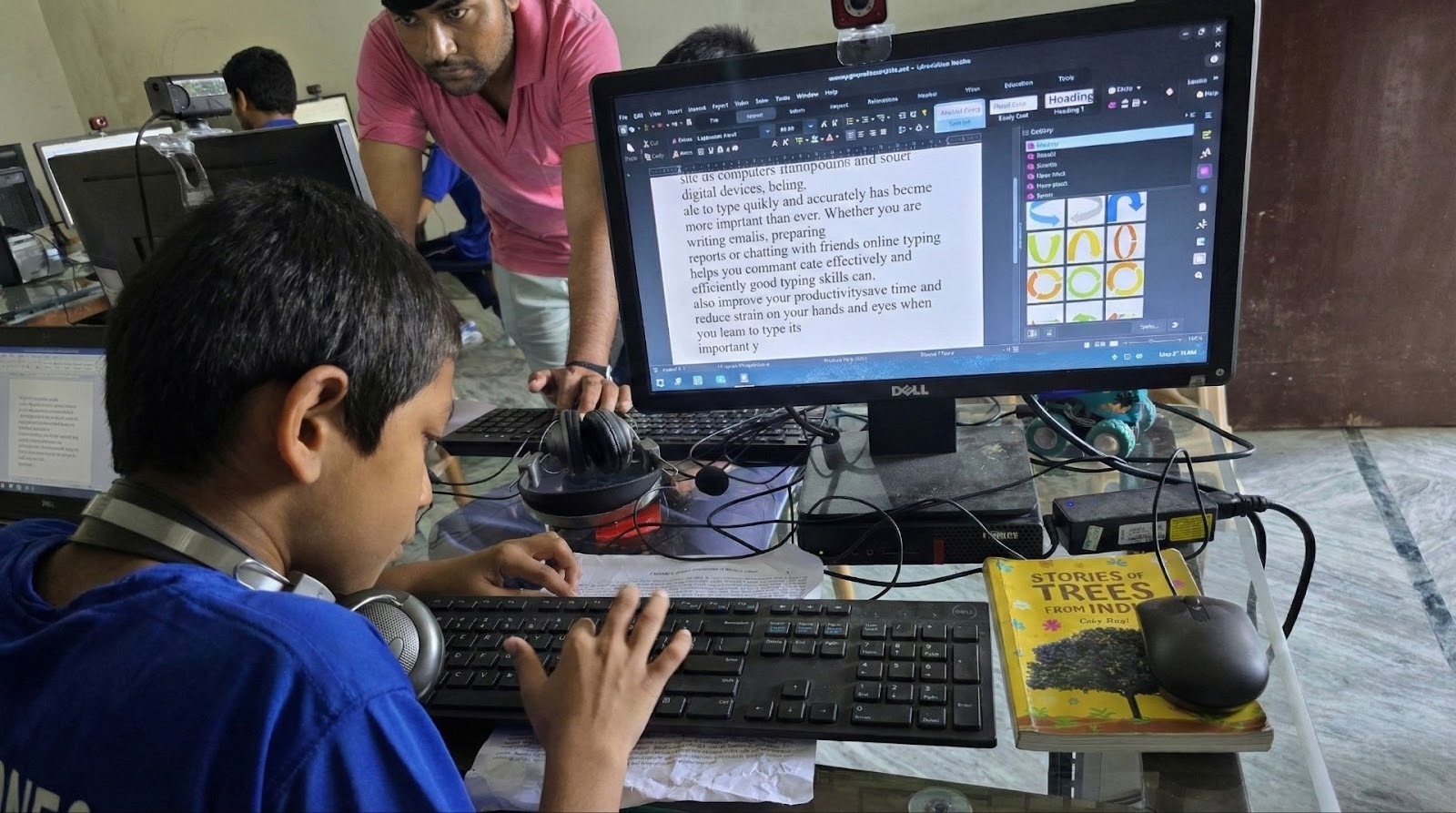
Technology is not only about logic; it also encourages creativity.
With a personal computer, students can:
- Design posters
- Create presentations
- Write blogs
- Edit videos
- Explore graphic tools
Creation stimulates imagination. Imagination strengthens innovative thinking.
5. Building Independent Decision-Making
When students have personal access, they make choices:
- What to research
- How to structure assignments
- Which tools to use
- How to manage time
These small decisions build confidence in their judgment.
Independence shapes maturity.
6. Improving Focus and Organization
Working on a personal computer often requires planning:
- Organizing files
- Managing deadlines
- Saving and editing work
- Structuring information
Students learn digital organization, which reflects in better academic discipline.
Structured work leads to structured thinking.
7. Reducing Fear of Technology
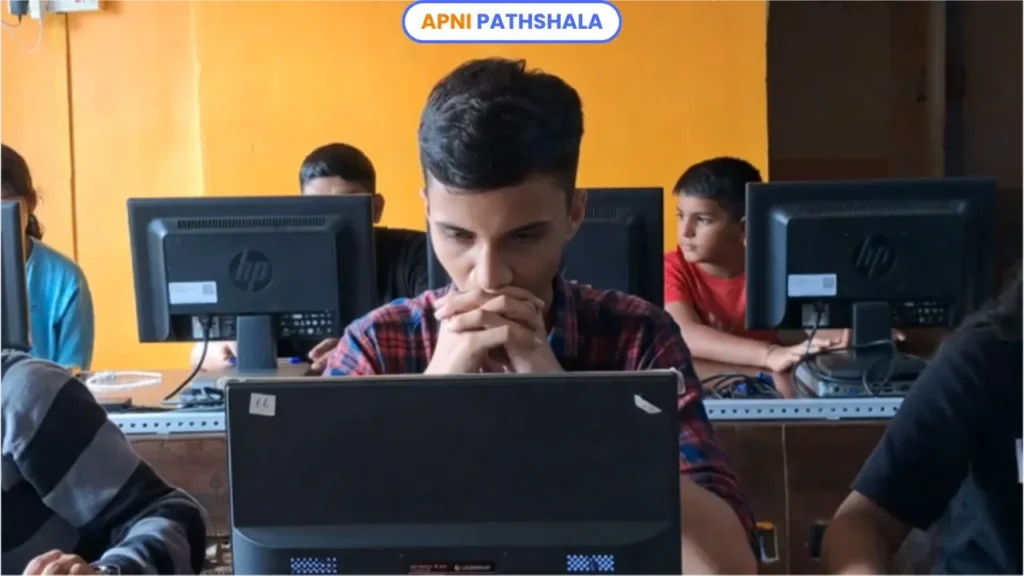
Without access, technology can feel intimidating. Students may hesitate to participate in digital tasks.
Regular exposure through a personal PC:
- Builds comfort
- Encourages experimentation
- Reduces anxiety
- Increases adaptability
Confidence changes how students approach challenges.
8. Expanding Global Perspective
A personal computer connects students to global knowledge.
They can:
- Watch educational lectures
- Participate in online discussions
- Learn from international platforms
- Explore global opportunities
Exposure broadens perspective and encourages open-minded thinking.
9. Encouraging Growth Mindset
Technology involves trial and error. Students make mistakes, fix them, and try again.
This process teaches:
- Persistence
- Adaptability
- Resilience
They learn that mistakes are part of growth.
10. Strengthening Future Readiness
The modern world values thinkers, creators, and problem-solvers.
When students grow up using a personal computer, they develop:
- Analytical skills
- Technical comfort
- Creative confidence
- Decision-making ability
Their thinking becomes future-ready.
How Apna PC Plays a Role
Access is the first step toward transformation. When students receive a personal computer through initiatives like Apna PC, they gain more than hardware.
They gain:
- Opportunity
- Independence
- Confidence
- A new way of thinking
Digital access reshapes potential.
Conclusion
A personal computer does more than support education it transforms mindset. It encourages critical thinking, creativity, independence, and resilience.
When students think differently, they learn differently.
When they learn differently, they grow differently.
Because access to technology is not just about devices it is about shaping the way young minds think and prepare for the future.