

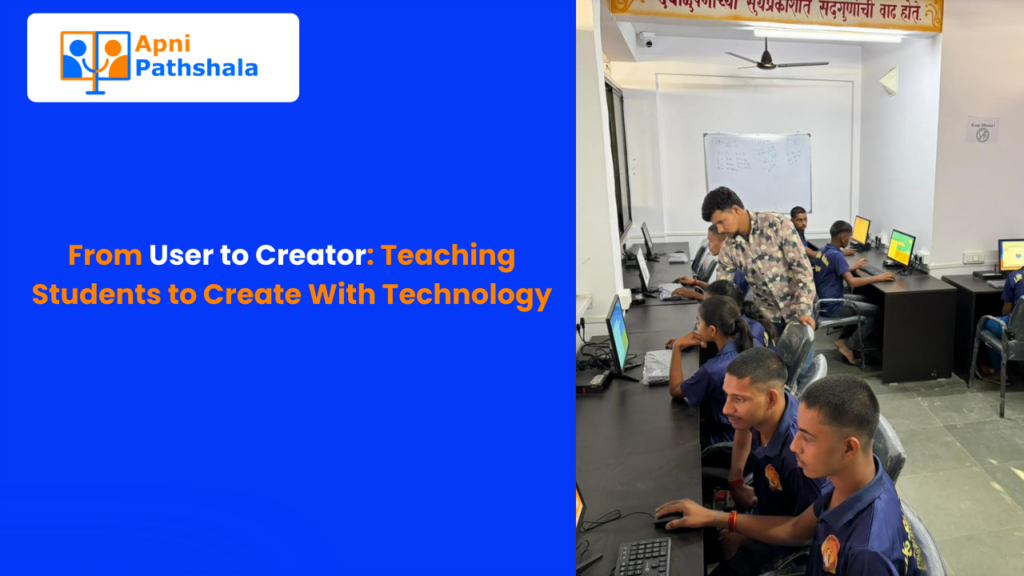
Technology is everywhere. Students use it to attend classes, watch videos, search for answers, and complete assignments. But there is a big difference between using technology and creating with it.
When students move from being passive users to active creators, something powerful happens. They stop just consuming information and start building, designing, coding, writing, and innovating.
That shift from user to creator is where real learning begins.
The Difference Between Using and Creating
Most students begin their digital journey by consuming content:
- Watching educational videos
- Browsing websites
- Playing learning games
- Reading online articles
While this is useful, creation goes one step further.
Creating with technology means:
- Designing presentations
- Writing blogs or stories
- Editing videos
- Building websites
- Learning basic coding
- Creating digital art
Creation builds deeper understanding and stronger confidence.
Why Creation Builds Stronger Skills
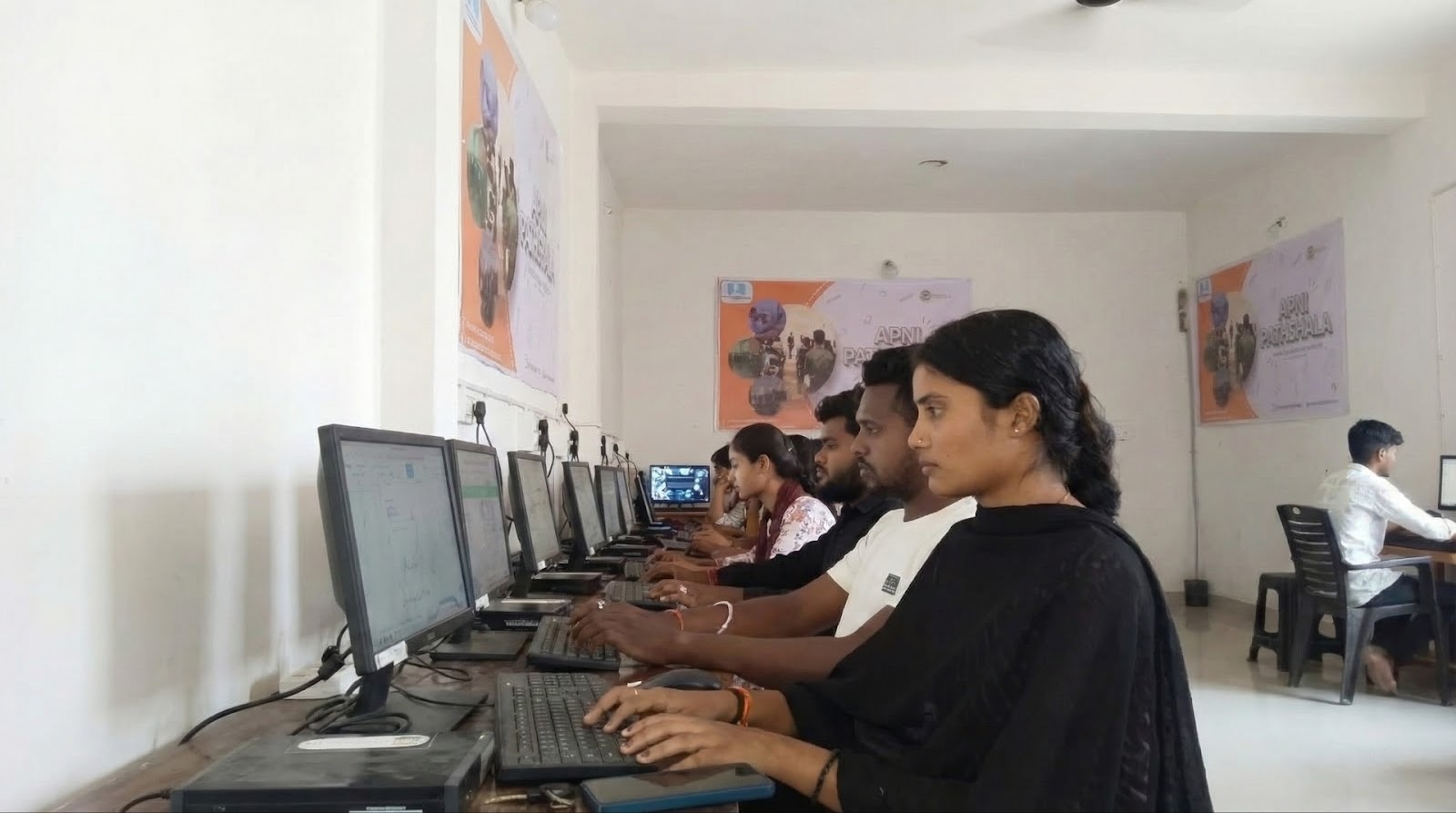
When students create, they:
- Think critically
- Solve problems
- Express ideas clearly
- Experiment and improve
- Learn from mistakes
Creation activates creativity and logic at the same time. It turns learning into action.
Technology as a Creative Tool
A personal computer is more than just a study device. It is a:
- Writing studio
- Coding lab
- Design workshop
- Research center
- Innovation space
With the right access, students can explore endless possibilities.
They can:
- Design posters
- Build simple apps
- Create digital portfolios
- Record presentations
- Learn graphic design basics
The goal is not just to use tools but to build with them.
Building Confidence Through Creation
When students create something on their own, they feel proud. That pride builds confidence.
Instead of saying:
“I watched a video,”
They say:
“I built this.”
That mindset shift is powerful.
Confidence grows when students see their ideas come to life.
Encouraging Project-Based Learning

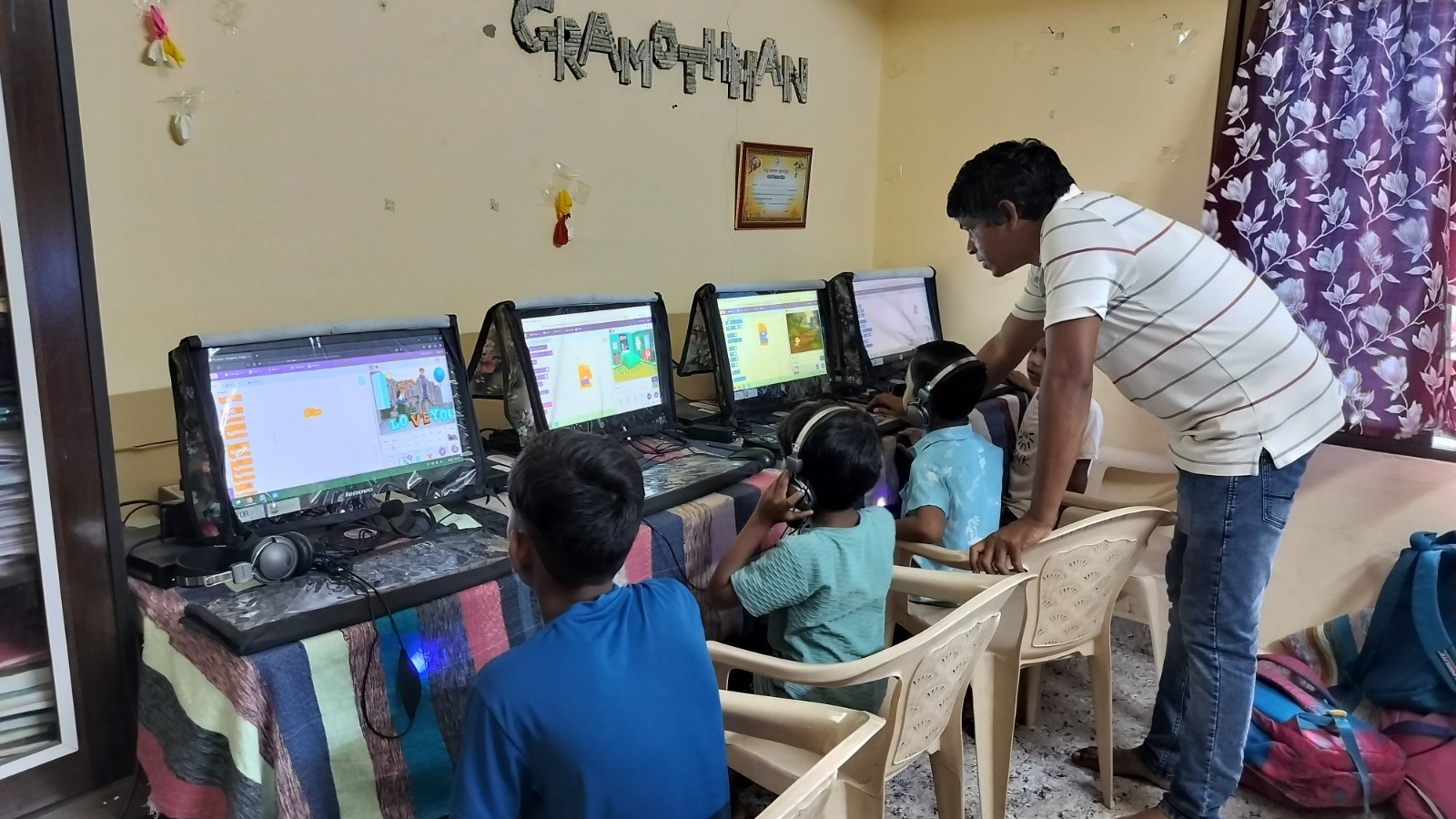
One of the best ways to move from user to creator is through projects.
For example:
- Create a digital storybook
- Build a simple website about a hobby
- Design a presentation explaining a science topic
- Develop a small coding project
Projects make learning practical and engaging.
Preparing for the Future
In the modern world, creators lead.
Future careers value:
- Innovation
- Digital skills
- Problem-solving ability
- Creative thinking
Students who learn to create with technology are better prepared for future opportunities.
They are not just consumers of the digital world they are contributors.
How Apna PC Supports Digital Creators
Access is the first step toward creation.
When students have a personal computer through initiatives like Apna PC:
- They gain independence
- They practice consistently
- They explore creative tools
- They develop future-ready skills
Digital access turns possibility into reality.
Without access, creativity is limited. With access, it expands.
Supporting Students in Becoming Creators
Parents and educators can encourage creative tech use by:
- Assigning small creative projects
- Encouraging experimentation
- Allowing mistakes and learning
- Celebrating creative efforts
Guidance transforms technology into a learning engine.
Conclusion
Technology should not be limited to scrolling and watching. Its real power lies in creation.
When students move from user to creator, they build confidence, develop essential skills, and unlock their potential.
Through digital access and the right guidance, students can become innovators, designers, and problem-solvers.
Because the future belongs not just to those who use technology but to those who create with it.