


Rajesh’s Worry and Your Child’s Future
Rajesh sits in his small flat in Indore, scrolling through job postings on his phone. His son Arjun is in class 10, and Rajesh keeps seeing the same requirement repeated: “Proficiency in computer skills required.” The words blur together as Rajesh realises something troubling. His son can use WhatsApp and YouTube, but he can’t operate a computer confidently. He can’t type properly. He’s never opened a spreadsheet or created a presentation. Rajesh feels a knot in his stomach. What jobs will be available for Arjun in five years if he doesn’t develop computer confidence right now?
You might feel the same worry. Your child spends hours on a smartphone, but that’s not the same as real skills. The future jobs your child will compete for won’t just prefer confidence with technology. They’ll demand it. Schools teach theory, but they don’t give your child enough time to practice.
Why Confidence With Technology Matters More Than You Think
Confidence with technology isn’t just about typing faster or knowing where the mouse goes. It’s about your child feeling comfortable exploring technology, solving problems, and learning new software independently. When a student feels comfortable, they approach challenges differently. They don’t freeze when they see a new application. They experiment. They figure things out.
Look at the jobs emerging in India right now. Data entry operators, digital marketing assistants, graphic designers, software testers, content creators, and financial analysts all start with one requirement: your child must be comfortable working on a personal computer. The Digital India initiative has pushed technology into every sector, from banking to agriculture. Your child won’t escape the computer. The question is whether they’ll master it or struggle.
When your child develops tech confidence early, they gain options. They gain freedom to choose careers based on interest, not on fear of technology.
The Problem With Smartphones and School Computers
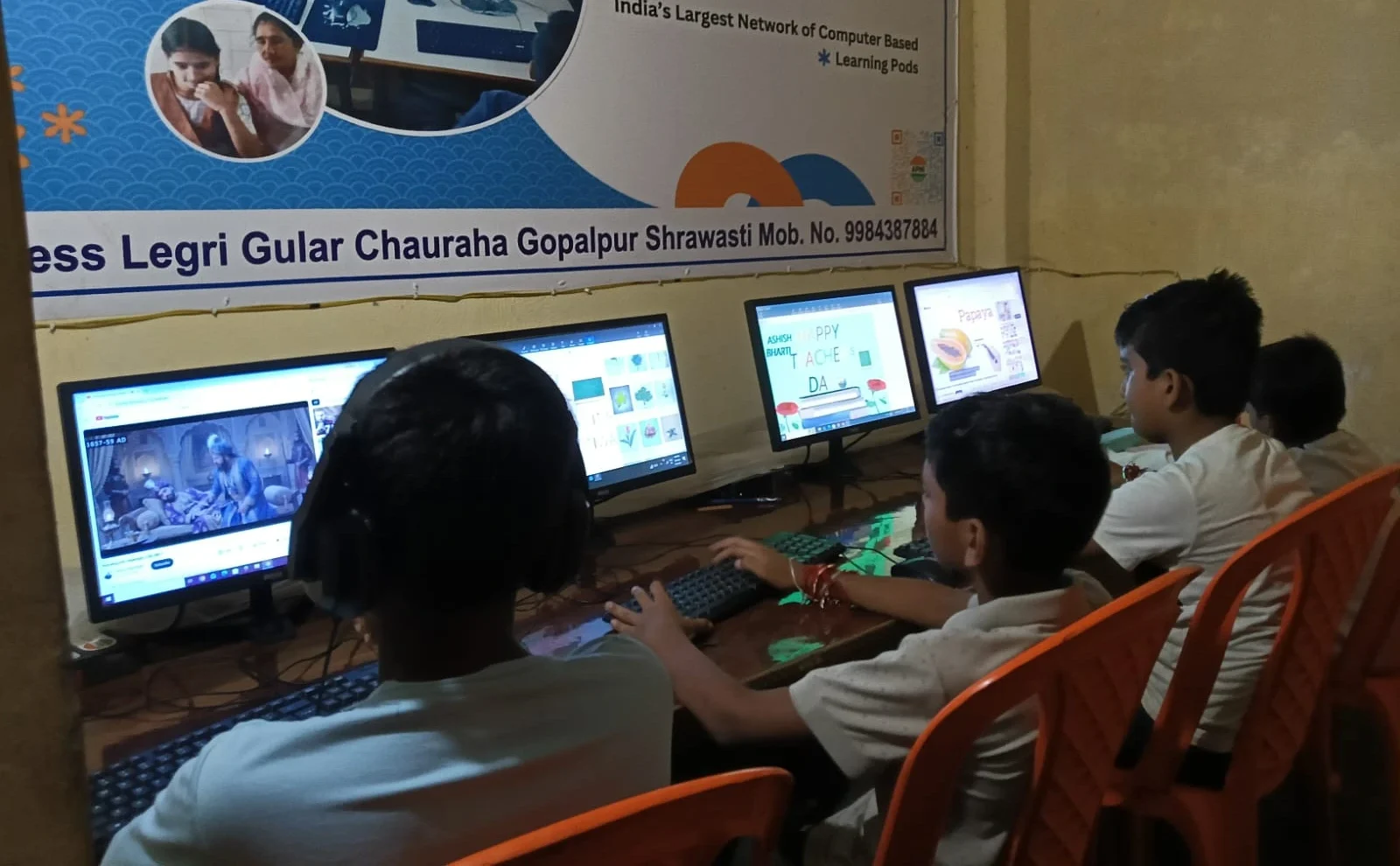
Your child’s smartphone feels like a computer, but it’s not. Touchscreens don’t teach keyboard shortcuts. Small screens don’t teach you how to manage files and folders. Apps hide the complexity that real work requires. When your child finally sits in front of a real computer for a job interview or college entrance exam, they feel lost.
School computer labs help, but they’re not enough. Your child gets one or two hours per week in a crowded lab with 40 other students. They have no time to practice, make mistakes, or really understand how a computer works. Your child needs their own computer at home where they can:
- Practice without pressure or time limits
- Explore software at their own pace
- Build projects from start to finish
- Develop real muscle memory with keyboard and mouse
- Learn troubleshooting and problem-solving
This is where real confidence grows. Not in theory. In practice. Every single day.
What Future Jobs Expect From Your Child
Let’s be specific about what employers will want from your child. They’ll want someone who can open a document and format it without asking for help. Someone who can create a simple spreadsheet, enter data, and use basic formulas. Someone who can send emails with attachments, create folders to organise files, and understand basic troubleshooting. Someone who can learn new software without panic.
These aren’t advanced skills. But your child needs to practice them until they become automatic. That’s what computer confidence means. It means your child doesn’t have to think about how to do basic tasks. They just do them. Their brain is free to focus on the actual work, not on fighting with the technology.
Students with this comfort have better chances at internships, job interviews, and higher salaries. Employers notice when someone is comfortable with computers. It shows in how quickly they learn and how independently they work.
Building Confidence at Home
Your child needs their own space to learn. Not a shared family computer. Not a computer lab at school. Their own computer at home where they can practice whenever they want. This is where real learning happens. When your child owns the learning process, they develop confidence that no amount of classroom instruction can provide.
Apna PC is built exactly for this purpose. It’s an affordable computer designed for students in tier 2 and tier 3 cities. It comes with everything your child needs: a fast processor, enough memory to run multiple programs, and educational software pre-loaded and ready to use.
The software includes Zorin OS, which looks and works like professional computers your child will use later. LibreOffice teaches them real office skills. Scratch teaches programming logic through visual blocks. And Apni Prerna helps you monitor their learning progress without hovering.
The Real Cost of Waiting
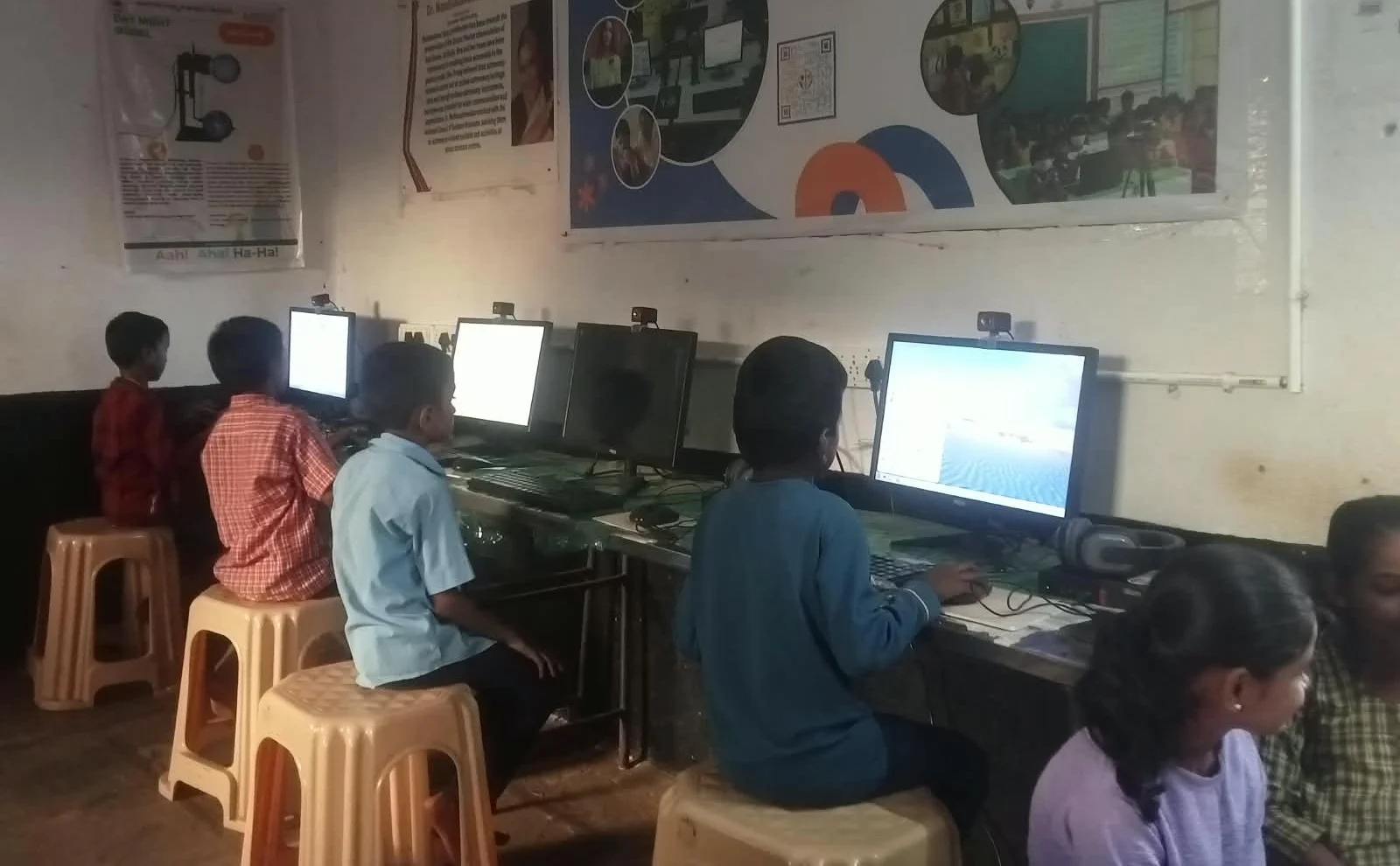
Every month your child doesn’t practice on a computer is a month they’re falling behind. Their classmates who have computer access at home are building skills. They’re getting faster. They’re getting comfortable. When your child finally gets access, they’ll be playing catch-up.
Think about it like learning to drive. The earlier your child learns, the more practice they get before they need to perform. By the time they’re in college or applying for jobs, computer skills feel natural. Your child walks into an interview with quiet confidence. That confidence comes from practice.
An investment in computer education today pays dividends for years. Your child will use these skills for the rest of their life. Every job, every college course, every online application will require what they learn now. This isn’t an expense. It’s an investment in your child’s future.
Why Apna PC Makes Sense for Your Family
You might think about buying a regular computer. But regular computers are expensive, complicated, and often overkill for a student. Apna PC is different. It’s designed specifically for students. It has enough power to run everything they need without being wasteful.
At Rs.30,000 (shipping and GST excluded), it’s affordable for families in tier 2 and tier 3 cities. You get 8GB RAM and 128GB SSD, which is plenty for a student. You get an operating system that teaches them real-world skills. You get free, powerful educational software.
More importantly, you get peace of mind. Your child isn’t using a hand-me-down that might break. They’re not sharing a family computer that gets tied up with everyone’s needs. They have their own space to learn, practice, and build confidence. You can also monitor their progress through Apni Prerna.
Start Building Confidence Today
Computer confidence isn’t something your child can cram for like a math test. It comes from regular practice over months and years. The earlier your child starts, the more natural it becomes.
Your child’s future jobs will absolutely reward students with computer confidence. The question is whether your child will have that confidence when they need it. The answer depends on what you do right now. Apna PC provides everything your child needs at a price that makes sense for your family. Don’t let your child fall behind. Visit apnapc.com to learn more.