


Rajesh’s Dilemma: When a Computer Becomes Your Child’s Best Teacher
Rajesh Kumar sat in his small living room in Indore, staring at his son Arjun’s school fees receipt. Rs. 45,000 for tuition classes. Rs. 8,000 for online coaching. Rs. 3,000 for printed study materials. His wife asked a simple question: “What if we bought him a good computer instead?” That question changed everything. Today, we’re talking about why a student computer should be bought like an education investment, not just another gadget gathering dust on a desk. Your child’s learning device matters more than you think, and it’s time to see it as an investment in their future, just like you’d invest in their school fees.
The Real Cost of Not Having the Right Learning Device
Let’s be honest. Your child is already using computers at school. They’re watching YouTube tutorials. They’re downloading study materials on their phone. But they’re doing it on devices that weren’t built for learning. A smartphone screen strains their eyes. A shared family laptop means waiting for your turn. Public computer labs are crowded and distracting. This isn’t just inconvenient. It’s costing you money.
Think about what you’re already spending:
- Online tuition platforms: Rs. 500-2,000 per month
- Coaching centers: Rs. 3,000-8,000 per month
- Printed study materials: Rs. 1,000-3,000 per month
- Mobile data for learning apps: Rs. 500-1,000 per month
That’s Rs. 5,000-14,000 every single month. In one year, you’re spending Rs. 60,000-1,68,000. A proper education investment in a student computer costs Rs. 30,000 one time. It pays for itself in two months.
But here’s what matters more than the money: your child gets a dedicated learning device. No distractions. No fighting over the family laptop. No eye strain from tiny phone screens. Just focused, uninterrupted learning time.
Why Smart Families See a Student Computer as an Education Investment
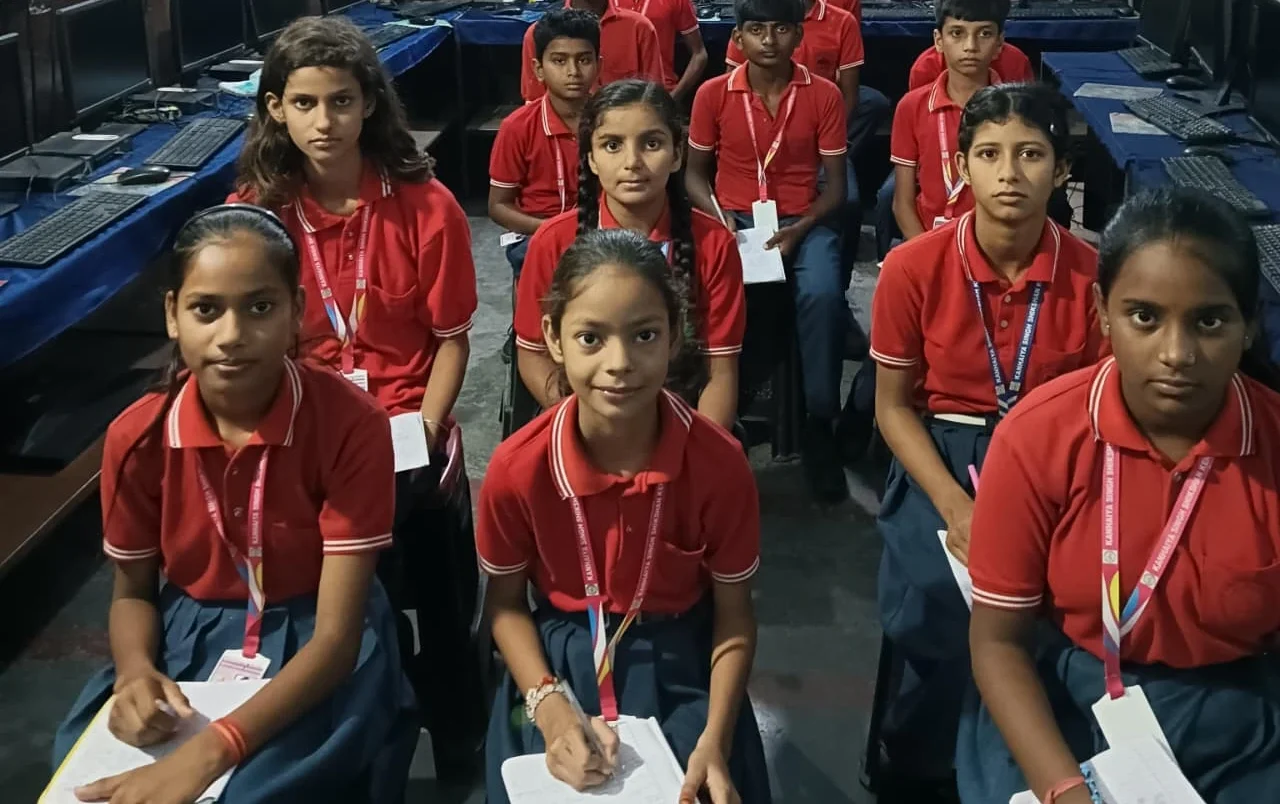
Not all computers are the same. A gaming laptop might seem powerful, but it’s built for speed and graphics. A budget computer might be cheap, but it’s slow and frustrating. Your child needs something different. They need a computer for education that’s specifically designed for studying, coding, and creative projects.
Apna PC is exactly that. It comes with 8GB RAM and 128GB SSD, which means it runs smoothly without lag. Your child can have 20 browser tabs open for research without the computer freezing. They can work on projects, watch educational videos, and use learning software all at the same time. It’s built to handle what students actually do.
But the real difference is what comes pre-loaded. Zorin OS is a Linux-based operating system that’s clean, fast, and free from viruses. LibreOffice lets your child create documents, spreadsheets, and presentations without expensive software. Scratch teaches coding through visual blocks. And Apni Prerna helps you monitor what your child is learning and how much time they’re spending productively.
This isn’t just a computer. It’s a complete learning system.
The Apna PC Difference: Built by Teachers, For Students
Apna PC comes from Apni Pathshala, an organization that understands education in India. They know that Tier 2 and Tier 3 city students don’t just need technology. They need technology that’s affordable, reliable, and actually useful for learning. Every choice in Apna PC was made by educators, not by marketing teams.
The 8GB RAM isn’t random. It’s the sweet spot between power and affordability. The 128GB SSD gives your child enough space for years of projects, notes, and resources. The pre-loaded software means your child can start learning on day one. No complicated setup. No hunting for free software. No frustration.
You can read more about how this compares to other approaches in our article about computer before tuition. We’ve also explained the difference between mindless screen time and real learning in our piece on screen vs learning system.
How a Student Computer Changes Your Child’s Learning Forever
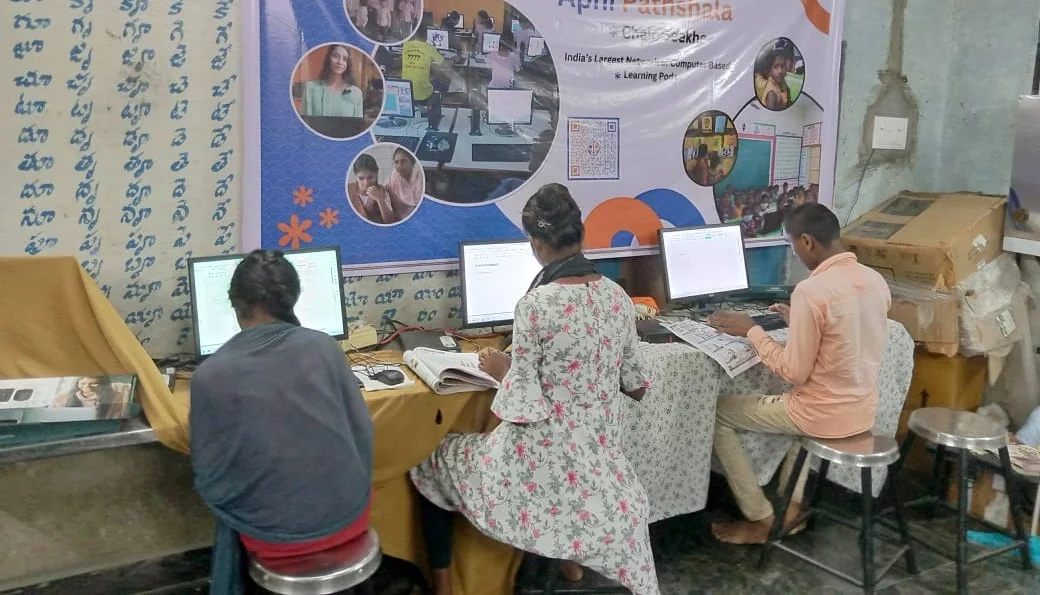
When your child has their own learning device, something shifts. They stop being passive consumers of education. They become active creators. They code. They design. They research. They build projects. They take ownership of their learning.
Your daughter can learn graphic design using free tools. Your son can build his first website. Your child can participate in online competitions. They can access world-class courses from platforms that were impossible to use on a phone. They can record their own explanations and review them later.
This is what education in India is moving toward. Technology isn’t replacing teachers. It’s amplifying what good teachers can do. Your child’s computer becomes a bridge between classroom learning and self-directed growth. And India’s Digital India initiative is making this possible for every student, not just the wealthy ones.
The Education Investment That Keeps Growing
Here’s something parents often miss. A Rs. 30,000 computer isn’t an expense. It’s an investment that grows with your child. In class 8, your child uses it for math and science projects. In class 10, it becomes their tool for board exam preparation. In class 12, they’re learning coding and web design. In college, they’re creating portfolios and doing research. In their career, they’re already comfortable with technology.
Compare this to tuition fees that you pay every month and get nothing back. Compare this to coaching centers that your child outgrows. A good learning device compounds its value over years. It teaches independence. It builds confidence. It opens doors.
Your Rs. 30,000 today might save you Rs. 2,00,000 in tuition fees over the next five years. It might help your child get into a better college. It might give them skills that lead to better opportunities. That’s what real education investment looks like.
Making the Decision: Is This Right for Your Family?
Ask yourself these questions. Does your child spend more than two hours studying each day? Do they need a dedicated space to focus? Are you already spending money on tuition or coaching? Do they want to learn coding or design? Do they struggle because they don’t have proper tools?
If you answered yes to any of these, a student computer isn’t a luxury. It’s a necessity. And at Rs. 30,000, it’s more affordable than a year of tuition fees.
Rajesh made his decision. He bought Arjun a computer for education. Six months later, Arjun’s grades improved. More importantly, he stopped asking for tuition classes. He was learning on his own. He was curious. He was building projects. He was excited about learning.
Your child deserves that same opportunity. A dedicated computer for education isn’t just about better grades. It’s about building a learner who can teach themselves anything. Visit apnapc.com to learn more.