


Rajesh’s Daughter Finally Has Her Own Computer at Home
Rajesh sat in his small living room in Indore, watching his 14-year-old daughter Priya struggle with her online classes. She was sharing the family’s old laptop with her younger brother, and it was never available when she needed it. Last month, he decided to buy her her own computer for students. When the Apna PC arrived, Priya’s face lit up in a way Rajesh hadn’t seen in months. She wasn’t just getting a device; she was getting her independence back.
This is the story of thousands of families across Tier 2 and Tier 3 Indian cities. You know the feeling. Your child needs a computer for studies, but you worry about the cost, about whether it’s the right choice, about what they’ll do with it. The truth is, when a student finally gets their own computer at home, everything changes.
The First 48 Hours: When Learning Becomes Personal
The moment a student gets their own personal computer, their relationship with learning shifts. They’re no longer waiting for someone else’s schedule. They’re not rushing through their work because someone else needs the device. Your child can sit down at 10 PM or 6 AM and learn at their own pace.
Priya spent her first evening exploring. She opened LibreOffice and started typing up her class notes. She didn’t have to worry about losing her work or her brother accidentally deleting something. For the first time, she had a space that was entirely hers.
This is what parents often miss. It’s not just about having a computer. It’s about having a dedicated learning space. Your child develops responsibility. They learn to organise files, manage their time, and build real digital habits.
School work Becomes Easier, But That’s Just the Beginning
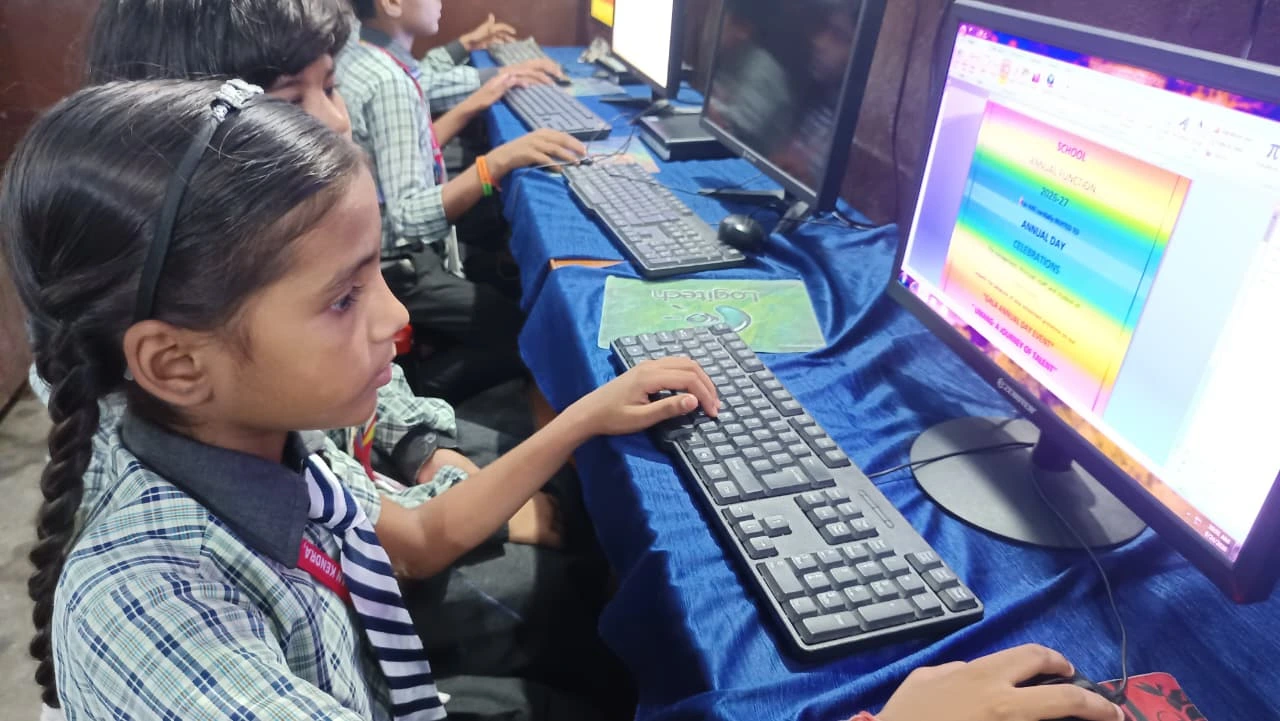
Yes, your child will finish assignments faster. Yes, they’ll submit projects on time without the stress of borrowing a device. But something deeper happens when a student has their own computer at home.
Priya discovered Scratch within the first week. Her computer teacher had mentioned it in class, but she’d never had time to explore it properly. Now, with her own device, she was building simple games and animations. She was learning to code without even realising it. She was developing problem-solving skills that her textbooks couldn’t teach.
- Independence grows: Your child no longer needs to ask permission to use the family device.
- Confidence builds: They start exploring subjects beyond their curriculum.
- Digital literacy improves: They learn to use tools, manage files, and understand technology.
- Time management skills develop: They learn when to work and when to rest.
The Apna PC comes pre-loaded with tools designed for this exact purpose. Scratch is built in, so your child can start coding immediately. LibreOffice handles all their document needs. Zorin OS is simple enough for a beginner but powerful enough for advanced learning.
Why Price Doesn’t Tell the Whole Story
Rajesh initially hesitated because of the cost. But when you think about what your child gains, the numbers look different. You’re not just buying a device; you’re investing in your child’s digital future.
The Apna PC is priced at Rs.30,000 (before shipping and GST). Compare that to other options. Compare it to the hours your child spends waiting for a device that isn’t available. Compare it to the stress of shared computers and lost work. Read more about why a computer matters more than its price.
With 8GB RAM and a 128GB SSD, this computer handles everything a student needs. It doesn’t lag during video calls. It doesn’t freeze when you have multiple tabs open. It works reliably, day after day.
The Hidden Benefit: Your Child’s Digital Habits Start Now
Every device your child uses shapes how they’ll use technology for the rest of their life. The first computer is crucial. It sets the tone for everything that comes next.
Apna PC comes with Apni Prerna, a student monitoring system that you can use as a parent. You’re not spying on your child. You’re guiding them. You can see what they’re learning, how much time they’re spending on studies versus entertainment, and help them develop healthy digital habits.
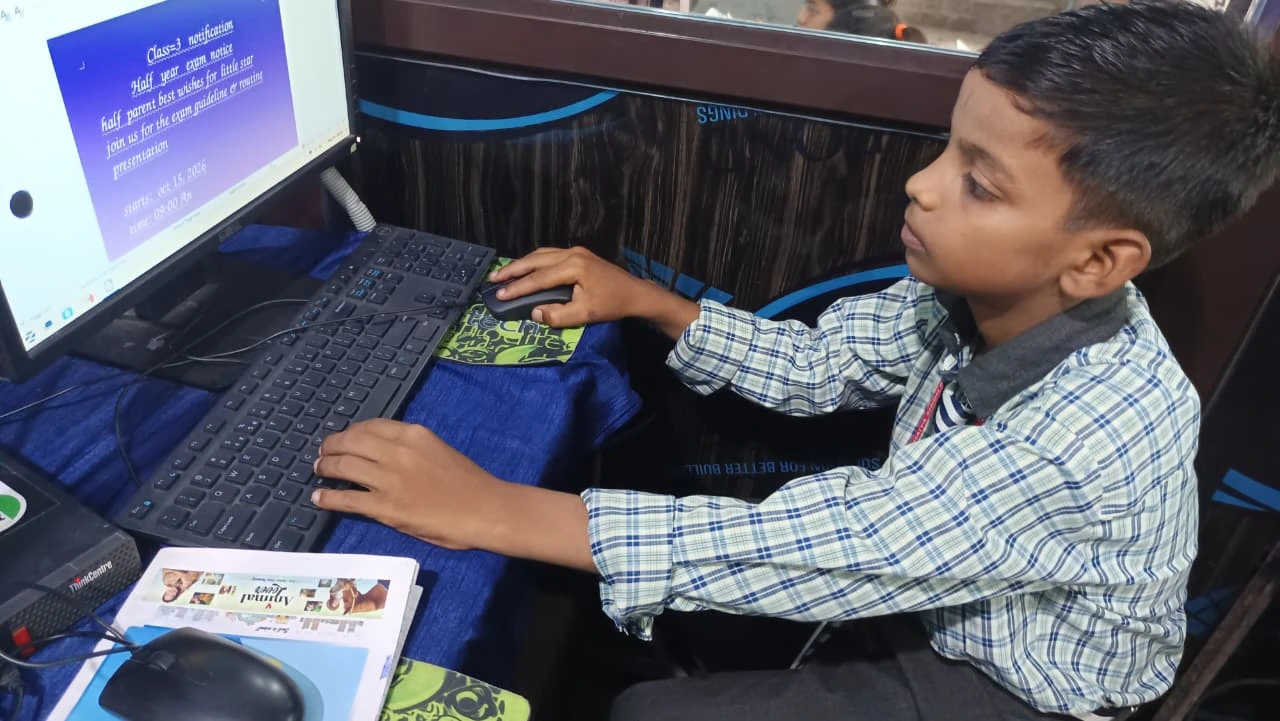
You can’t get this with a regular computer. You get a tool that supports your parenting, not replaces it. Learn more about how a first computer shapes digital habits.
Beyond School: Real Skills for a Real Future
Priya’s story didn’t end with better grades, though those improved too. She started a small YouTube channel explaining math concepts to her classmates. She built a simple website for her school’s science club. She’s learning skills that her resume will need in five years.
A personal computer isn’t just for school anymore. It’s a tool for creativity, for learning, for building the future. The Government of India’s Digital India initiative recognises this. They’re pushing digital literacy because they know that every student needs access to technology.
When your child has their own computer at home, they stop being just a student. They become a creator, a learner, a problem-solver. They develop confidence that carries into every area of their life.
Making the Decision
Rajesh tells other parents the same thing: “It’s not an expense. It’s an investment.” Your child is growing up in a world where digital skills aren’t optional. They’re essential. Every month you wait is a month your child falls further behind in developing these skills.
The Apna PC is designed specifically for students like yours. It’s affordable. It’s reliable. It comes with the software your child actually needs. Most importantly, it gives your child the independence and space to learn at their own pace.
Your child deserves their own computer at home. They deserve the independence, the confidence, and the opportunities that come with it. Visit apnapc.com to learn more.