

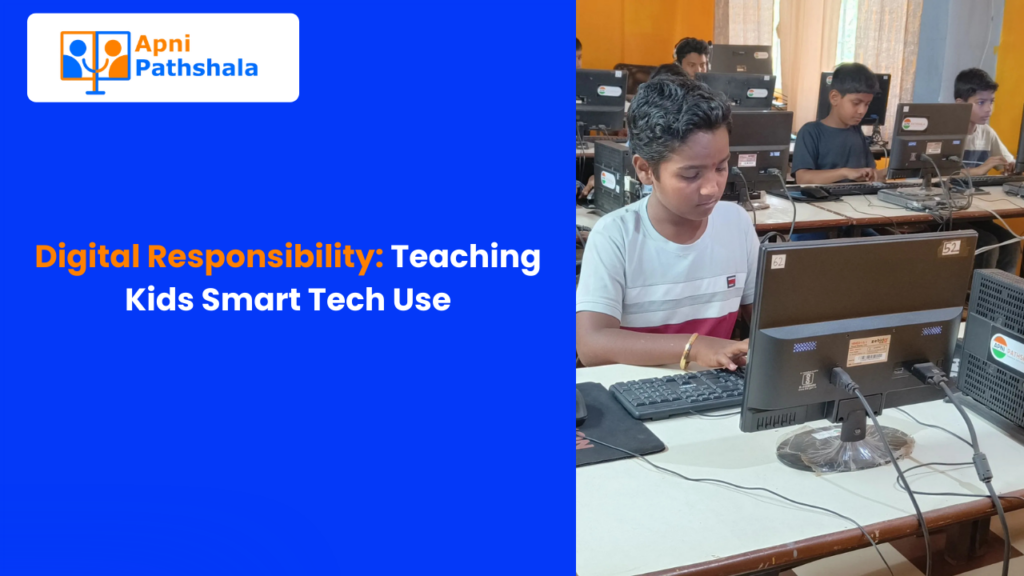
Technology is now a part of everyday learning. From online classes and research to skill-building and creative projects, digital tools have transformed education. But access alone is not enough. Along with digital access, children must learn digital responsibility.
Digital responsibility means using technology wisely, safely, and respectfully. When students understand how to use tech smartly, they gain not only knowledge but discipline, awareness, and confidence.
What Is Digital Responsibility?
Digital responsibility is the ability to:
- Use devices for productive learning
- Protect personal information
- Communicate respectfully online
- Avoid harmful or distracting content
- Balance screen time with offline activities
It is not about restricting technology. It is about guiding children to use it properly.
Why Teaching Digital Responsibility Matters
With personal access to computers and the internet, children have endless opportunities but also potential risks.
Without guidance, students may:
- Get distracted by non-educational content
- Share personal information unknowingly
- Develop unhealthy screen habits
- Experience cyberbullying or misinformation
Teaching digital responsibility ensures that technology becomes a tool for growth, not a source of harm.
1. Set Clear Purpose for Tech Use
Children should understand why they are using technology.
Encourage them to:
- Use devices for study during study time
- Practice skills like coding, typing, or research
- Explore creative learning tools
When tech use has purpose, distractions reduce naturally.
2. Teach Online Safety Basics
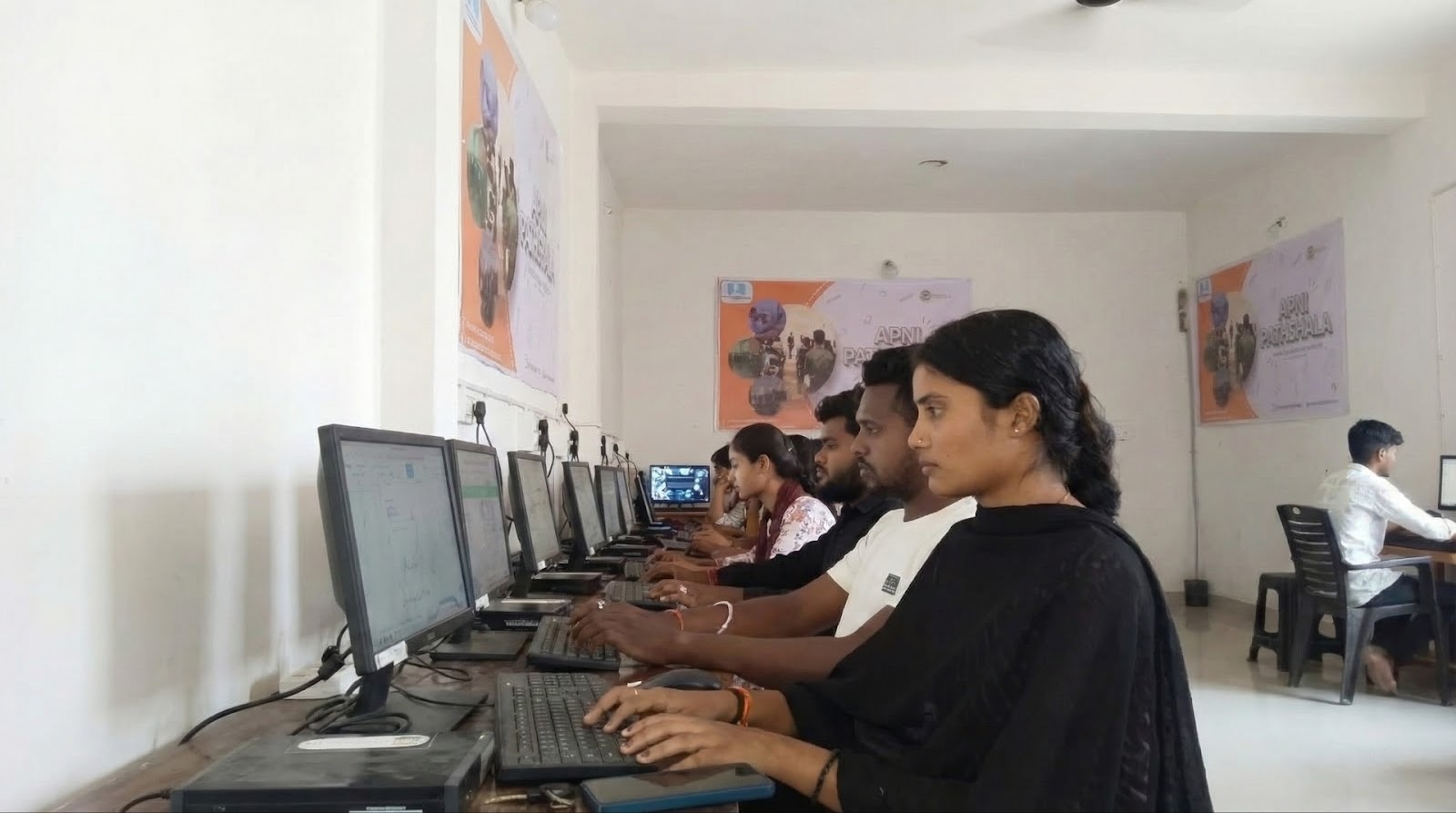
Every child should know:
- Never share passwords
- Avoid sharing personal details
- Be cautious of unknown links
- Report suspicious messages
Simple safety rules protect children in digital spaces.
3. Build Healthy Screen Habits
Smart tech use includes managing time effectively.
Parents and educators can:
- Set fixed learning hours
- Encourage regular breaks
- Balance digital learning with physical activity
Responsible use means controlled, not excessive, screen time.
4. Encourage Respectful Online Behavior
Digital responsibility also includes how children behave online.
Teach them to:
- Use respectful language
- Avoid spreading false information
- Think before posting
- Treat others kindly in digital spaces
Digital character is just as important as digital skill.
5. Promote Critical Thinking
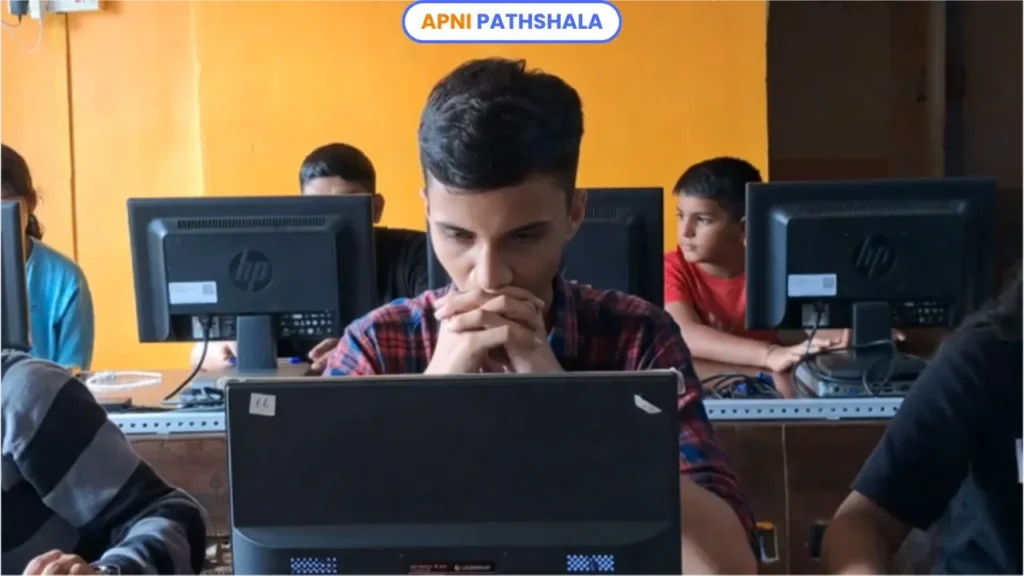
Children should not believe everything they see online.
Help them:
- Verify information
- Question sources
- Cross-check facts
- Avoid misinformation
Critical thinking strengthens safe and smart tech use.
6. Lead by Example
Children observe adults closely. When parents and educators demonstrate balanced tech use, children follow.
Show them how to:
- Use technology productively
- Avoid unnecessary distractions
- Respect digital boundaries
Modeling behavior reinforces lessons.
7. Combine Access With Accountability
Providing a personal computer empowers students. But empowerment should come with accountability.
Encourage children to:
- Take responsibility for device care
- Use it primarily for learning
- Maintain discipline in digital habits
Trust combined with responsibility builds maturity.
Digital Responsibility and Apna PC
Access to a personal computer is a powerful opportunity. Through initiatives like Apna PC, students gain the tools they need for modern education. But along with access, awareness is essential.
Digital responsibility ensures that:
- Access leads to skill-building
- Technology supports academic growth
- Students grow into confident digital citizens
Smart tech use transforms access into long-term success.
Conclusion
Digital responsibility is not about limiting technology it is about guiding children to use it wisely. When students understand safe, respectful, and balanced tech habits, they become confident and capable learners.
In the digital age, responsible use is just as important as access. Together, digital access and digital responsibility create empowered, future-ready students.