

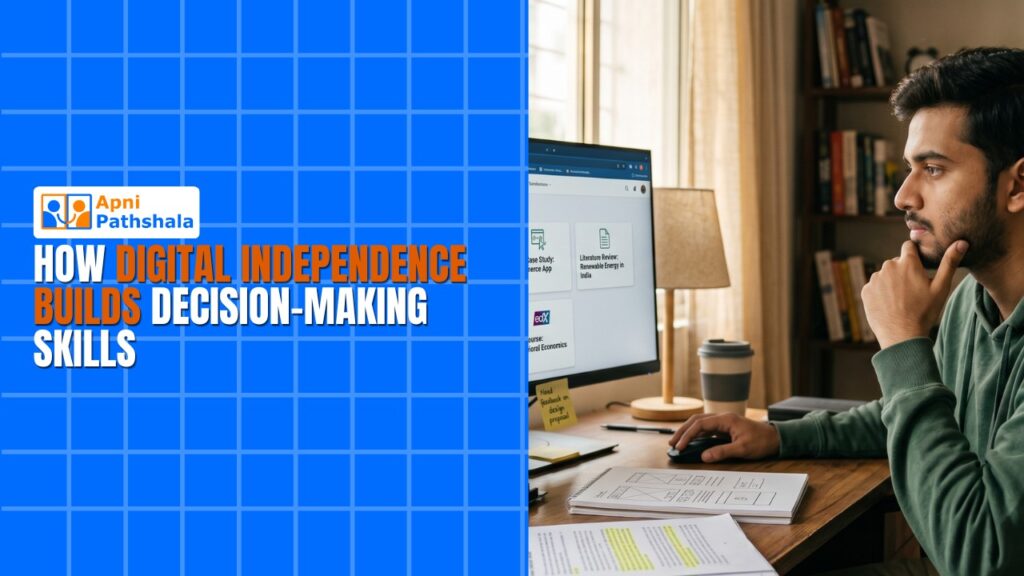
When Ankit was 14, his mother made every decision for him. What to wear, what to eat, which tuition to pay, which friends to hang out with. She meant well. But by the time he reached college, he could not choose between two elective subjects without calling her three times.
Two streets away, Priya’s daughter had been using a computer since she was 10. She chose which tutorials to watch. She decided what to build in Scratch. She picked her projects, made her own mistakes, and fixed them on her own. By Class 9, she was making decisions about her studies, her projects, and her time with a confidence that surprised even her parents.
The difference between Ankit and Priya’s daughter is not intelligence. It is digital independence. And it is one of the most overlooked benefits of giving a child access to a computer.
What Digital Independence Actually Means?
Digital independence is not about knowing how to use a phone or browse the internet. It means navigating digital tools independently, choosing what to learn, and solving problems without waiting for someone to guide you.
When a child opens a computer and decides to learn coding through Scratch instead of watching videos, they are making a decision. When they choose to build a game instead of a story, they are making a decision. When they hit a bug and try three different fixes before asking for help, they are building decision-making skills for students that textbooks cannot teach.
Every interaction with a computer is a choice. What to open? How long to spend. When to switch tasks. When to ask for help. When to figure it out alone. These small decisions add up. Over months and years, they build a habit of independent thinking that carries into every area of life.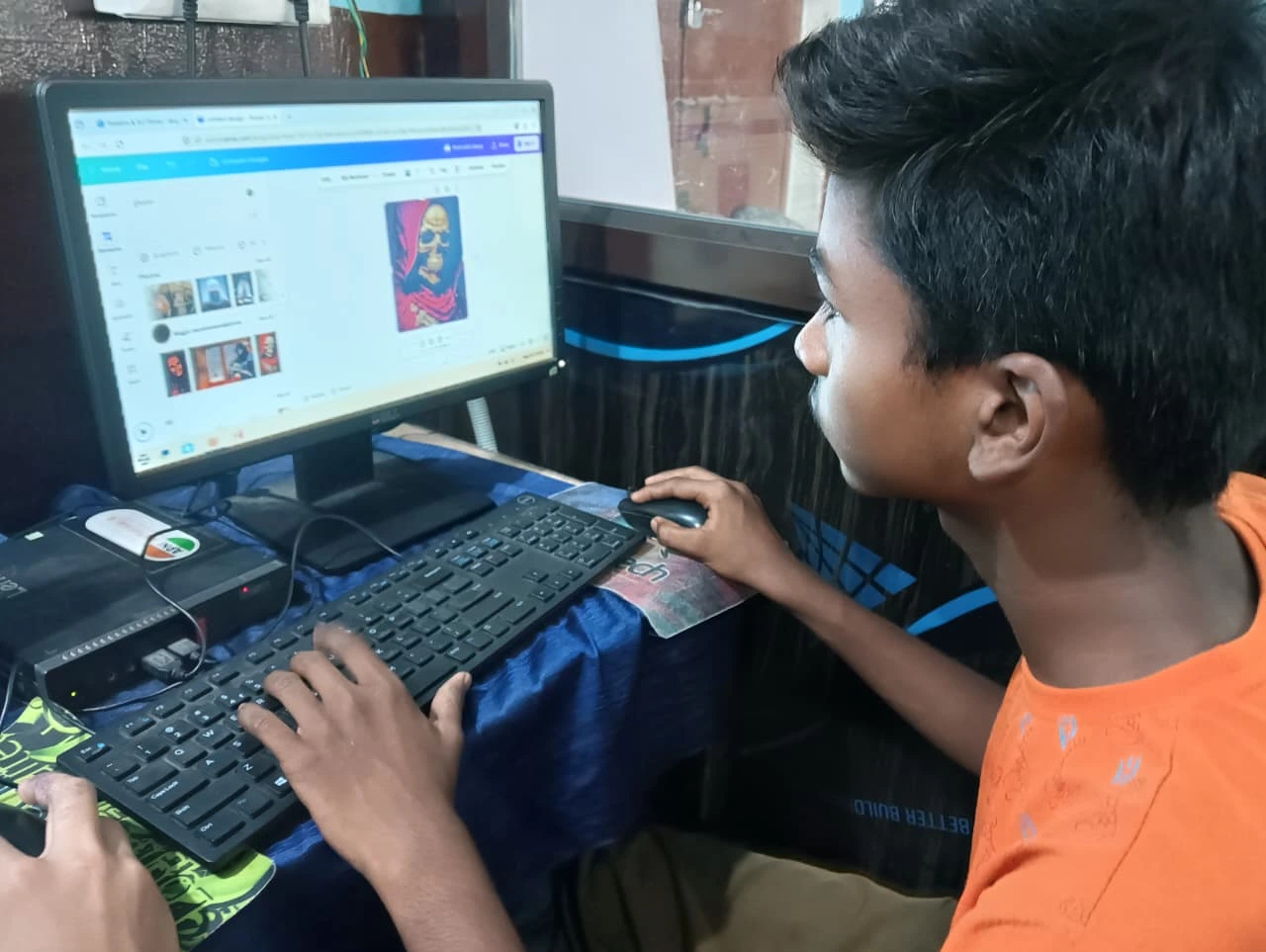
Why Schools Cannot Teach This?
Schools are designed to reduce decisions, not build them. The timetable decides what a student learns each hour. The teacher decides how the lesson is taught. The exam decides what the student memorizes. The student’s job is to follow, not to choose.
This is not a flaw in the system. It is the nature of managing forty students in one room. A teacher cannot give each child the freedom to explore at their pace. The structure is necessary for order. But it does not build independence.
Independent learning skills are built outside the classroom. They are built when a child has a tool and the freedom to use it on their own terms. A computer provides exactly that. No teacher hovering. No timetable forcing. No exam pressure. Just the child, the machine, and the freedom to explore.
A personal computer helps students learn beyond the school curriculum. And the most important thing it teaches beyond the curriculum is how to make your own choices.
How Technology Skills Build Confidence in Decision-Making
Every time a child solves a problem on a computer, they build confidence in their judgment. They learn that their decisions have consequences. They learn that wrong decisions can be corrected. They learn that trying is better than waiting.
A child building a presentation in LibreOffice decides the layout, the colors, the font, and the content. Each decision teaches them something about their preferences. A child coding in Scratch decides the logic, the flow, and the design. Each decision teaches them that their ideas can become real.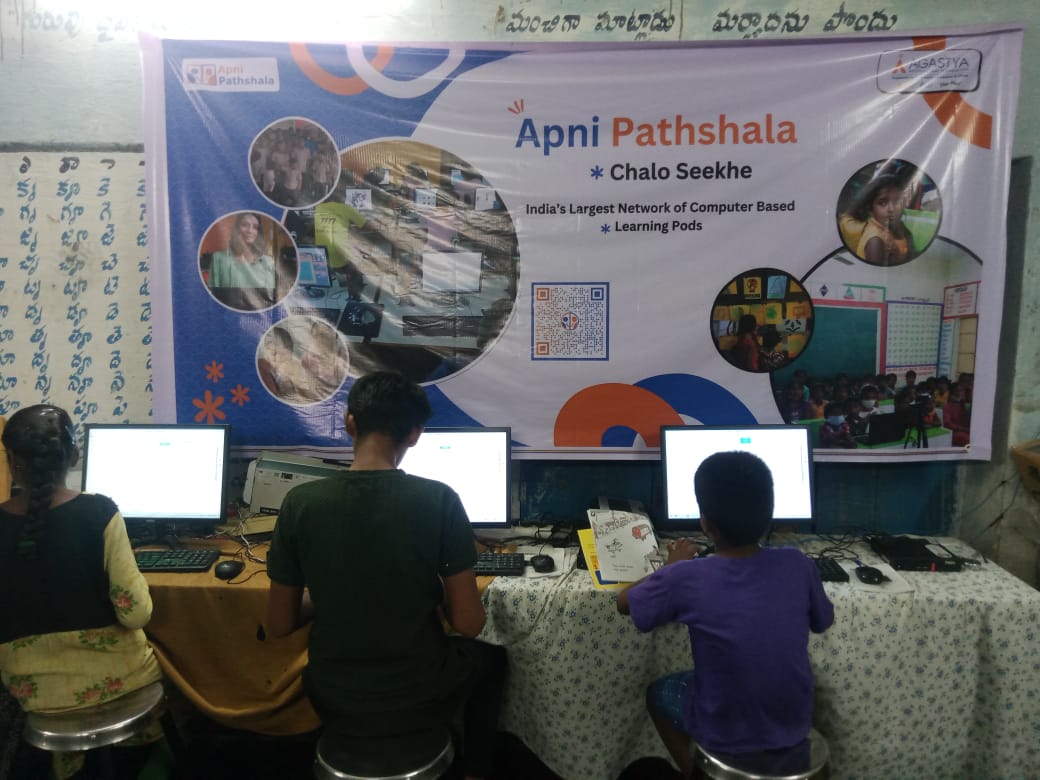
Technology skills are not the end goal. They are the vehicle for building a decision-making habit. A child who learns to make decisions on a computer learns to make decisions everywhere else too. They stop waiting for permission. They stop asking, “What should I do?” They start saying, “Let me try this.”
The biggest advantage a student can have today is not marks. It is the confidence to make decisions independently. A computer builds that confidence faster than any classroom lesson.
What Parents Can Do?
You cannot teach decision-making by lecturing about it. You can only create conditions where a child practices it. A computer is the safest place to practice.
Give your child a computer. Do not install monitoring software that tracks every click. Do not set rigid schedules for what they should learn. Let them choose. Let them explore. Let them make mistakes and figure things out.
You will see the change within weeks. The child who used to ask, “What should I do now?” will start saying, “I want to try this.” The child who waited for instructions will start exploring on their own. The child who feared making mistakes will start trying things without asking for permission.
Digital independence is not about the computer. It is about the child who uses it. Every click is a decision. Every project is a choice. Every problem solved independently is a step toward becoming a person who trusts their judgment.
Apna PC comes pre-loaded with Scratch, LibreOffice, VS Code, Blender, and Arduino IDE. At ₹21,000, it gives your child the tools to start building independence today. Visit apnapc.com to learn more.