


A Village Where Learning Stops at the School Gate
In Khimapur, a village 40 kilometres from Indore, twelve-year-old Priya walks 6 kilometres every Saturday to reach the nearest computer centre in town. Her school has no computers. The centre charges Rs. 200 per hour, which her parents can barely afford twice a month. Priya wants to learn coding and create websites, but digital education remains a distant dream because she lacks consistent computer access at home or school.
Priya’s story isn’t unique. Across Tier 2 and Tier 3 Indian cities and towns, millions of students face the same barrier. They sit in classrooms where teachers talk about technology, but can’t demonstrate it. They hear about online learning platforms but have no device to access them. This gap between knowing about digital education and actually experiencing it shapes their futures.
The problem runs deeper than just missing hardware. When students dont have regular computer access, they fall behind in digital literacy. They can’t practice coding, can’t take online courses, can’t explore their interests through technology. Schools struggle to teach computer science meaningfully. Parents feel helpless watching their children miss opportunities that urban students take for granted.
Why Local Computer Access Changes Everything for Student Learning
Digital education isn’t about replacing teachers or making learning impersonal. It’s about giving every student the tools to learn, explore, and create. When you have a computer at school or in your community learning centre, you unlock possibilities that textbooks alone can’t provide.
Consider what happens when a student gets consistent computer access:
- Learning becomes interactive: Instead of reading about programming, students write their first code. They see results instantly. They understand concepts through doing, not just hearing.
- Self-paced learning becomes real: A shy student who hesitates to ask questions in class can learn at their own speed through educational software. They can replay lessons, practice without judgment, and build confidence.
- Career pathways open up: Students discover interests they didn’t know they had. A child from a small town might discover graphic design, web development, or digital marketing through hands-on experience.
- Schools can actually teach computer science: Instead of theoretical lessons, teachers demonstrate real applications. They prepare students for jobs that actually exist in the modern economy.
UNESCO global education research consistently shows that technology access in schools correlates with improved learning outcomes, especially in STEM subjects. But thats only true when access is reliable, affordable, and integrated into real teaching.
The Barrier Isn’t Just Money
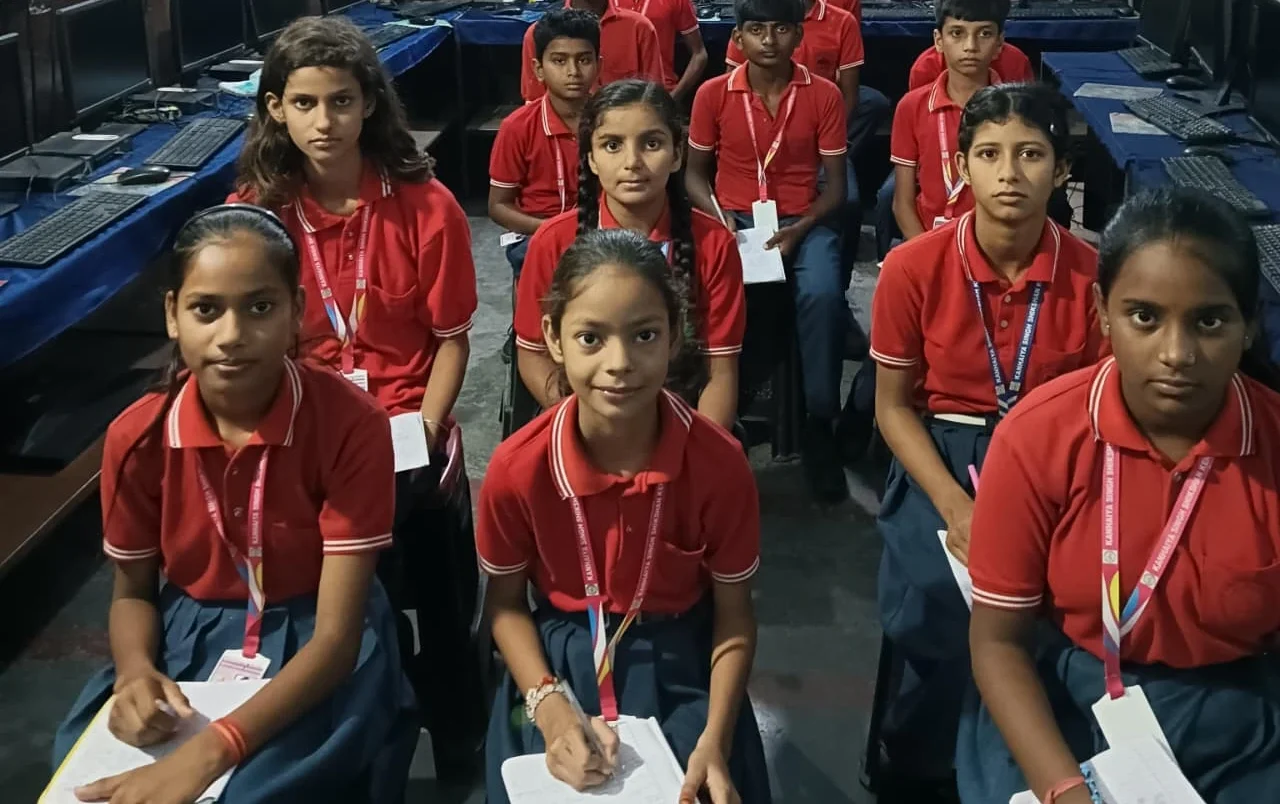
You might think the solution is simple: buy computers for schools. But school administrators in smaller towns face real constraints. A quality computer costs Rs. 40,000 to Rs. 60,000. Maintenance, software licenses, and technical support add thousands more annually. Most school budgets simply dont stretch that far.
Then there’s the software problem. Many schools that do get computers struggle with outdated operating systems, expensive software licenses, and a lack of educational content tailored to Indian curricula. Teachers dont get training. Students get frustrated. The computers sit unused.
Community learning centres face different challenges. They need affordable, reliable machines that parents can access without travelling hours. The economics have to work for centre owners too. If computers are too expensive or break down constantly, centres close, and families lose access again.
What Works: Affordable Digital Education Solutions
This is where purpose-built educational computers make a real difference. Apna PC, developed by Apni Pathshala, costs Rs. 30,000 (shipping and GST excluded). Thats less than half the price of standard computers, making it accessible for schools and learning centres in Tier 2 and Tier 3 towns.
But affordability alone isn’t enough. Apna PC comes pre-loaded with everything needed for meaningful digital education. Zorin OS provides a modern, user-friendly interface. LibreOffice gives students tools for document creation and spreadsheets. Scratch lets them learn coding through visual programming. The Apni Prerna monitoring system helps teachers track student progress and identify who needs extra support.
With 8GB RAM and 128GB SSD storage, the machine handles real work. Students can run multiple applications, work on projects, and save their progress. Teachers can demonstrate concepts without lag or frustration. The hardware is reliable enough for daily classroom use without constant technical headaches.
This approach to digital education computer access actually works in Indian communities because it understands local constraints. It doesn’t import expensive solutions designed for wealthy schools. It’s building something that fits your budget, your curriculum, and your reality.
How Schools and Learning Centres Benefit
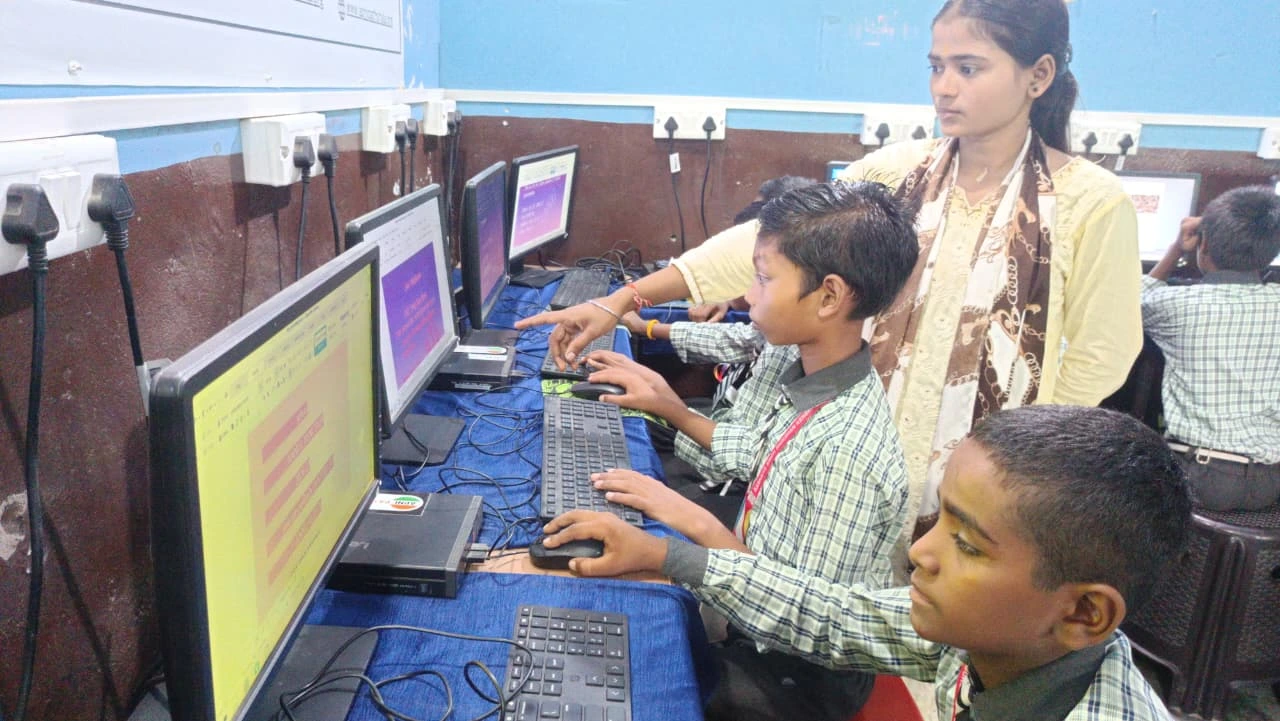
When you introduce Apna PC into a school or community centre, you see changes quickly. Teachers who felt helpless teaching computer science now have tools to demonstrate real concepts. Students who thought technology happened only in big cities realise they can learn it too. Parents see their children developing skills that will matter for their futures.
For school administrators, the math becomes manageable. You can equip a computer lab with 10-15 machines for the cost of 2-3 standard computers. Maintenance costs stay low because the software is free and open-source. You dont need expensive IT support. Teachers can handle basic troubleshooting with minimal training.
For learning centre owners, Apna PC opens new revenue opportunities. You can offer coding classes, digital literacy programs, and online exam preparation. Parents will pay for these services because they see real value. The investment pays for itself within months.
Real Digital Education Needs Real Computer Access
The gap between knowing about digital education and experiencing it shapes who succeeds in our modern economy. With computer access, you can learn. When you dont, you fall further behind, no matter how smart you are.
Priya from Khimapur deserves the chance to learn coding without walking 6 kilometres. Every student in every small town deserves that chance. Schools and learning centres need solutions that actually fit their reality: affordable, reliable, and loaded with educational software that works.
Your school or learning centre can be the place where this changes. You can be the reason a child discovers their passion for technology. You can prepare students for jobs that didn’t exist five years ago. You can make digital education real in your community, not just a concept in textbooks.
Digital education and computer access start with the right tools. When you equip your school or centre with Apna PC, you’re not just buying hardware. You’re opening doors for every student who walks through. Visit apnapc.com to learn more.