


Priya’s Story: From Small Town to IT Job
Priya sat in her father’s small shop in Indore, scrolling through job postings on her phone. She was 16 and had just finished her 10th board exams. Most girls in her neighbourhood either continued with traditional studies or got married early. But Priya wanted something different. She wanted a job that paid well and gave her independence.
Her father noticed her frustration. “Beta, you need computer skills,” he told her one evening. He invested in an educational computer for their home. Within six months of learning coding basics, office applications, and digital tools, Priya landed an internship at a local IT support centre. Today, at 19, she’s a full-time employee earning Rs.18,000 monthly. Her story isn’t unique anymore. Computer education is changing how young Indians, especially from smaller cities, access job opportunities.
Why Computer Education Matters for Job-Ready Skills
Your child lives in a world where computer skills aren’t optional. They’re essential. Every job, from banking to teaching to retail management, now requires basic digital literacy. The Indian Ministry of Education has pushed computer education into school curricula, but classroom learning alone isn’t enough.
Most schools in Tier 2 and Tier 3 cities have limited computer labs. Students get 1-2 hours of computer class per week, if they’re lucky. Many dont get hands-on practice. They memorise theory, but can’t actually type, use spreadsheets, or write code. This gap between knowing about computers and actually using them is costing students real job opportunities.
When students learn computer education through real devices at home, they practice daily. They build muscle memory. They become confident. This confidence translates directly into job readiness.
The Digital Learning Skills Your Child Needs to Get Hired
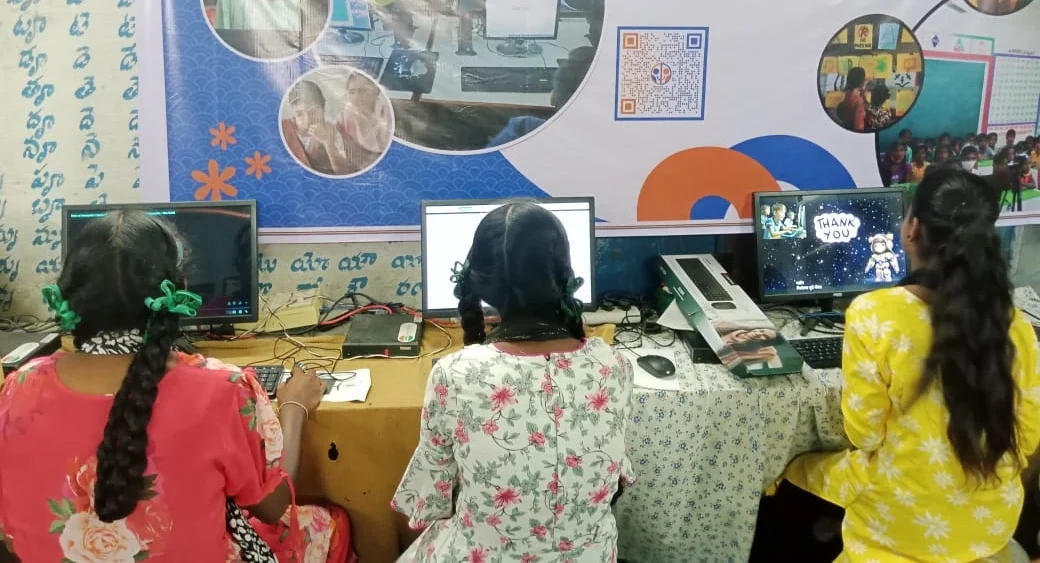
Employers today dont just want educated students. They want students who can solve problems using technology. Here are the core skills that make the difference:
- Office Applications: Creating documents, spreadsheets, and presentations. Every job needs this.
- Coding and Logic: Understanding how programs work. Even non-IT jobs value this thinking.
- Digital Communication: Email etiquette, online collaboration, video calls. Remote work is here to stay.
- Data Basics: Reading charts, understanding databases, working with information. Critical for any career.
- Problem-Solving: Using technology to find answers. This separates average candidates from those who get hired.
When students practice these skills on actual computers, not just in theory classes, they become job-ready years earlier than their peers.
How Home-Based Computer Learning Builds Student Skills
Your home is the best classroom for computer education. Here’s why. First, your child can learn at their own pace. Second, they practice daily, not just once a week. Third, they build real projects they can show to employers.
The Apni Pathshala team designed Apna PC specifically for Indian students. It’s an affordable educational computer preloaded with everything a student needs. It has Zorin OS, LibreOffice for office work, Scratch for coding, and Apni Prerna for progress tracking. You can monitor your child’s learning journey directly.
At just Rs.30,000 (shipping and GST excluded), it’s cheaper than a smartphone. Yet it opens doors that smartphones can’t. Your child learns on a real device, not a screen that distracts them with games and social media.
Why Real Devices Beat Online-Only Computer Education
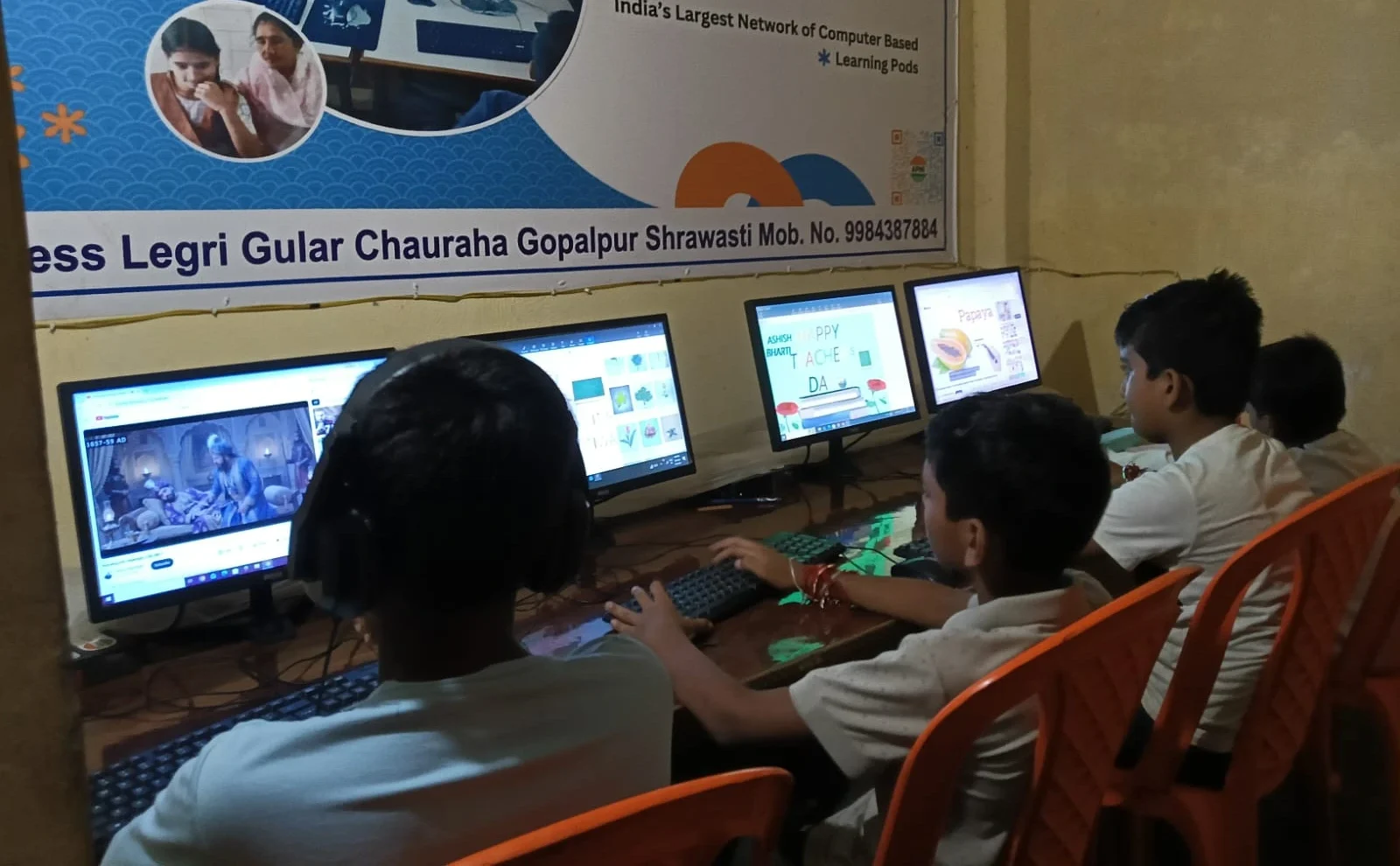
I’ve seen parents try online courses for their kids. Videos are great, but they’re passive. Your child watches someone else code instead of coding themselves. Computer education on real devices forces active learning. Your child sits down, opens a program, makes mistakes, fixes them, and learns faster.
The DIKSHA digital learning platform offers good content, but it works best when paired with actual hands-on practice. Government initiatives like the Digital India initiative push digital literacy, yet millions of students still lack access to personal devices for learning.
When your child has their own computer at home, they become independent learners. They experiment. They build projects. They create a portfolio. Employers love portfolios.
From Student to Employee: The Real Timeline
Here’s what typically happens. A student starts learning computer skills at age 14-15. Within 6-8 months of consistent practice, they can handle basic office tasks. Within 12 months, they understand the basics of coding. By age 16-17, they can take internships or freelance projects. By 18, they have real work experience to show employers.
Compare this to students who only learn in school. They graduate at 18 with theoretical knowledge but zero practical experience. Employers choose the first student every time.
What Parents and School Leaders Should Know About Job-Ready Skills
If you’re a parent, your investment in a home computer isn’t just about better grades. It’s about your child’s future earning potential. A student with computer skills at 16 can earn money through internships or freelance work. This builds confidence and financial independence early.
If you’re a school administrator or education centre owner, offering computer education on real devices sets you apart. Students learn faster. Parents see results. Your reputation grows. Centres that invest in devices like Apna PC report higher student satisfaction and better placement rates.
Start Your Job-Ready Journey Today
Your child doesn’t have to wait until college to become job-ready. Computer education, learned on real devices, starting today, can change their entire career path. They can earn money as a teenager. They can choose better jobs after school. They can build skills that last a lifetime.
The time to start is now, not later. Visit apnapc.com to learn more.