


Priya’s Story: When a Computer Changed Everything
Priya sits in her small room in Indore, staring at her older brother’s hand-me-down smartphone. It’s 2024, and she’s in Class 8. While her cousin in Mumbai attends online coding classes, uses AI tools for homework, and has access to interactive learning platforms, Priya struggles. Her school has no computer lab. Her family can’t afford a laptop. The digital education gap between them isn’t just about technology; it’s about opportunity, dreams, and her future.
This isn’t just Priya’s story. Across India’s Tier 2 and Tier 3 cities, millions of students face the same reality. While cities like Delhi, Mumbai, and Bangalore embrace digital education, students in smaller towns and semi-urban areas are left behind. The learning opportunity gap is real, and it’s widening every year.
The Digital Education Divide Across Indian Cities
According to education data in India, only 24% of Indian households have a computer at home. In rural areas, this number drops to just 3%. Meanwhile, students in metropolitan areas have access to smart classrooms, coding bootcamps, online tutoring, and digital resources that their peers in smaller cities can’t even imagine.
This creates a two-tier education system:
- Tier 1 (Metro cities): Students access online courses, AI-powered learning apps, digital portfolios, and competitive exam preparation through computers and the internet.
- Tier 2-3 (Smaller cities and towns): Students rely on textbooks, limited classroom teaching, and occasional YouTube videos watched on phones with poor internet.
The result? Students from smaller cities struggle to compete in entrance exams, skill development, and job markets. They’re not less intelligent; they simply don’t have the same tools.
How Computer Access Transforms Student Learning
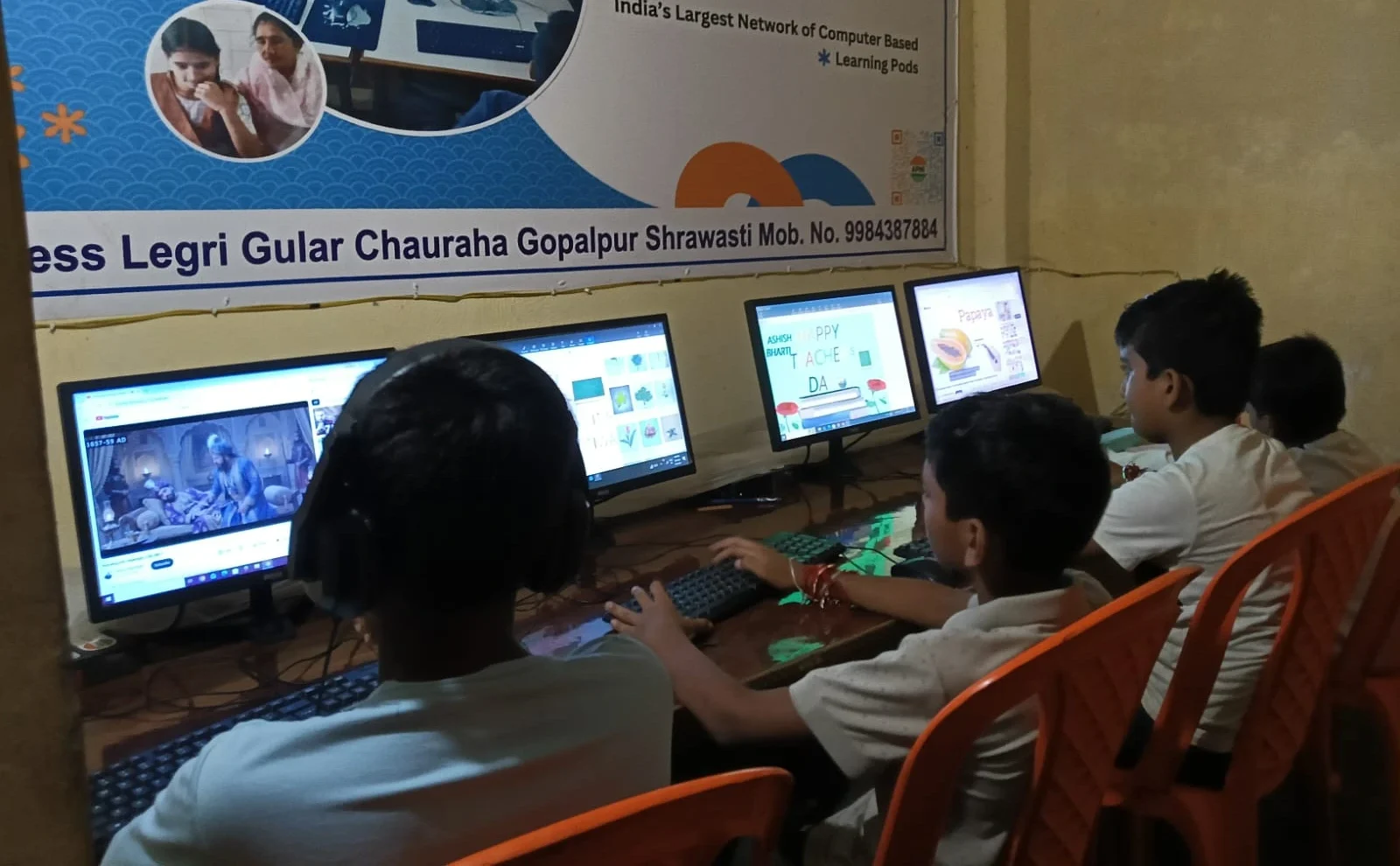
When a student gets access to a computer, everything changes. Your child can learn coding through Scratch, not just read about it. They can take online courses from platforms like Khan Academy. They can create digital projects, learn design, and develop skills that employers actually want.
Research shows that students with computer access perform 15-20% better in academics. They develop digital literacy, a skill that’s now non-negotiable in every job market. They gain confidence. They start believing their zip code doesn’t define their future.
Digital education isn’t just about watching videos. It’s about:
- Interactive learning that keeps students engaged longer
- Personalised pacing where your child learns at their own speed
- Access to global resources and expert teaching
- Building 21st-century skills like coding, digital design, and online collaboration
- Preparing for competitive exams with quality online content
But here’s the catch: affordable computer access remains out of reach for most Indian families. A decent laptop costs Rs. 50,000 to Rs. 1,00,000. That’s not a purchase; that’s a life-changing investment many families simply can’t make.
Why Affordable Computer Access Matters Now
The Digital India initiative has brought internet to many villages. Schools are slowly adding computer labs. But your home still needs a device where your child can practice, explore, and learn without waiting for their turn in a crowded lab.
Home computer access means your child can:
- Practice coding projects at midnight if they’re excited about it
- Revisit difficult concepts without feeling rushed
- Work on assignments without depending on school timings
- Develop real technical skills that look impressive in college applications
This is where Apna PC comes in. It’s not just another computer. It’s designed specifically for Indian students like Priya, with digital education built in from day one.
Apna PC: Digital Education at Rs.30,000
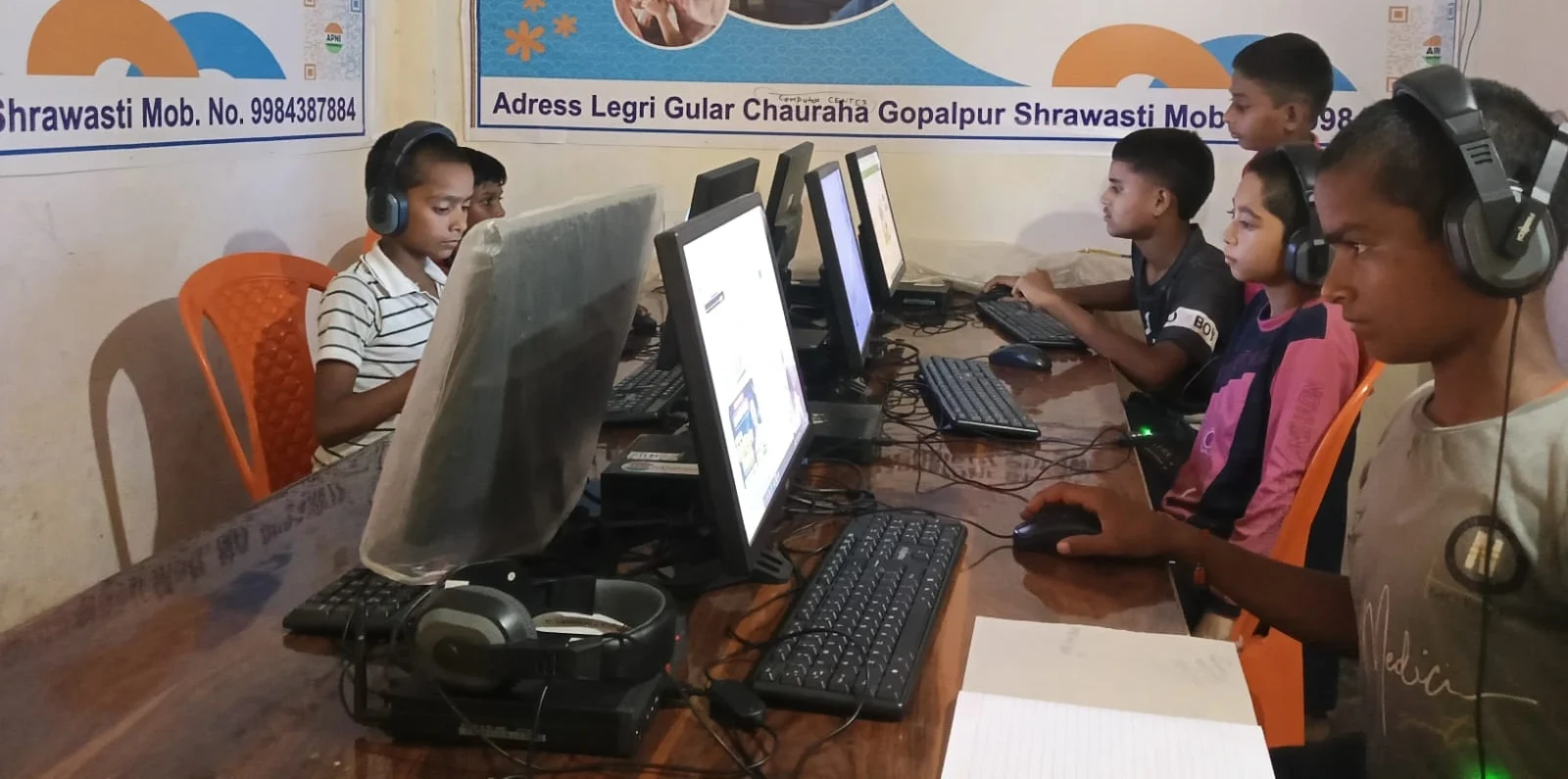
Apna PC is an educational computer built by Apni Pathshala, priced at just Rs.30,000 (shipping and GST excluded). It’s powerful enough for learning, affordable enough for families in Tier 2-3 cities, and pre-loaded with everything your child needs to start their digital education journey.
What comes with Apna PC:
- Zorin OS: A student-friendly operating system that’s simple, fast, and secure
- Apni Prerna: A monitoring tool so you can track your child’s learning progress
- LibreOffice: For creating documents, presentations, and spreadsheets (just like Microsoft Office)
- Scratch: Pre-installed coding platform where kids learn programming through visual blocks
- 8GB RAM and 128GB SSD: Smooth performance for multitasking, video classes, and project work
This isn’t a gaming machine. It’s a learning machine. It’s built for your child to explore, create, and develop skills that will matter in their future.
Closing the Learning Opportunity Gap
When Priya gets access to a computer with digital education tools, her story changes. She’s no longer competing at a disadvantage. She can learn coding like her cousin in Mumbai. She can access quality educational content. She can build a project portfolio that impresses colleges and employers.
Your child’s opportunity shouldn’t depend on where you live or how much you earn. Digital education should be accessible. That’s what Apna PC makes possible.
Explore digital learning for underserved students and learn how Apni Pathshala is working to make quality education available to every student. Visit apnapc.com to learn more.