


Education is no longer limited to classrooms. Today, learning continues at home through digital platforms, online research, creative tools, and skill-based practice. To support this shift, students need more than just books they need a future-ready study environment.
A future-ready study space is not about expensive furniture or advanced gadgets. It is about creating a focused, organized, and digitally enabled environment that supports learning, growth, and confidence.
Why a Study Environment Matters
The space where a child studies influences:
- Focus and concentration
- Discipline and routine
- Motivation
- Productivity
- Learning outcomes
A well-designed environment signals that learning is important. It helps students take their education seriously.
1. Create a Dedicated Learning Corner
Students learn better when they have a fixed study space.
This does not need to be a large room. Even a small corner with:
- A simple desk
- A comfortable chair
- Proper lighting
- Minimal distractions
can make a big difference.
A dedicated space builds habit and routine.
2. Ensure Access to a Personal Computer
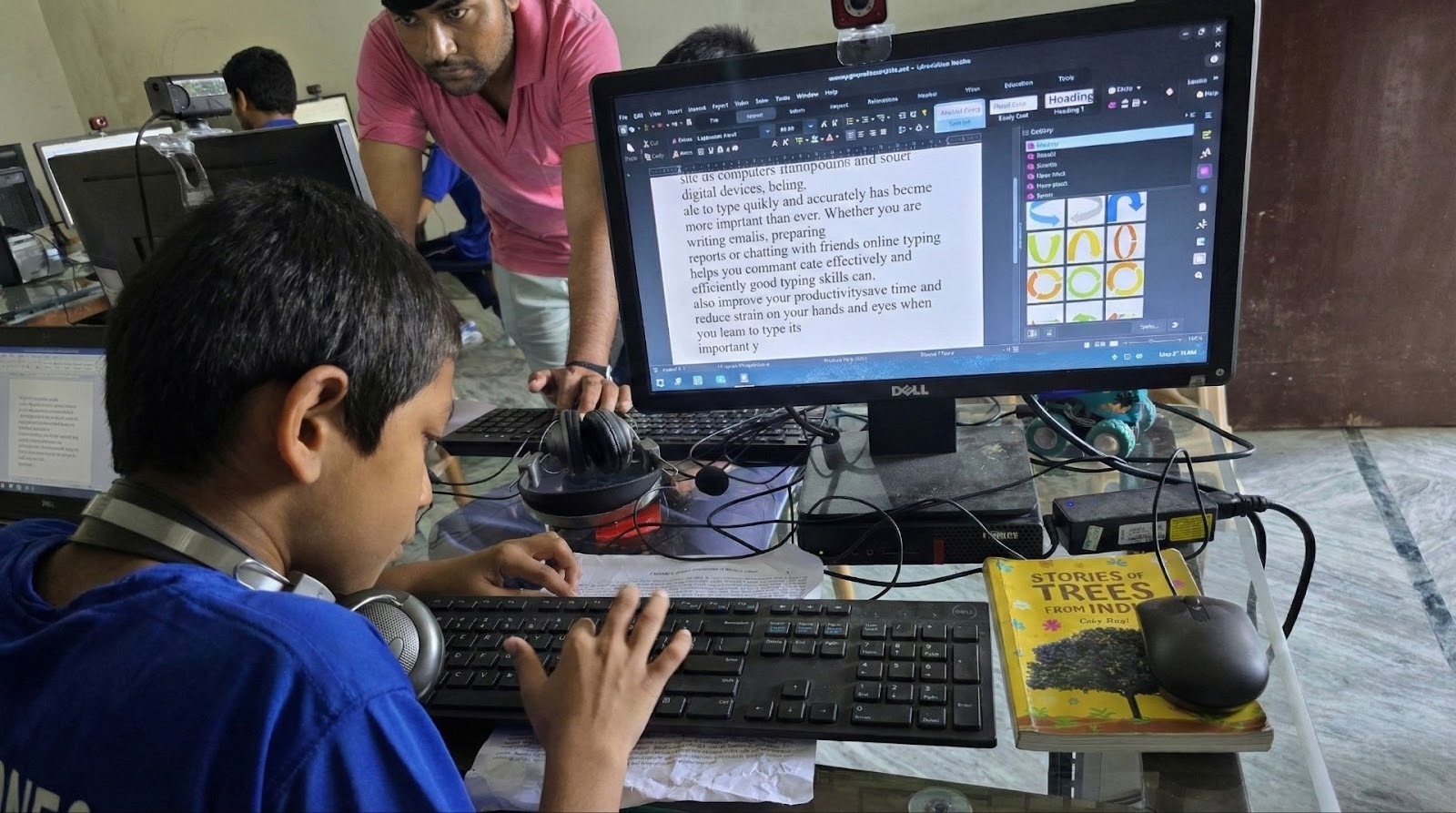
In today’s world, a future-ready environment must include digital access.
A personal computer allows students to:
- Attend online classes
- Complete assignments
- Research independently
- Learn digital skills
- Create presentations and projects
Digital access transforms a simple desk into a powerful learning station.
3. Maintain Proper Lighting and Comfort
Physical comfort affects learning performance.
Ensure:
- Natural light when possible
- Good desk lamp for evening study
- Proper sitting posture
- Clean and clutter-free desk
Comfort improves focus and reduces fatigue.
4. Reduce Digital and Physical Distractions
A future-ready environment is also distraction-aware.
Encourage:
- Study time without unnecessary phone use
- Organized digital files
- Limited background noise
- Clear study schedule
Discipline builds long-term success.
5. Encourage Digital Organization
Teach students to:
- Create folders for subjects
- Name files properly
- Save documents regularly
- Back up important work
Digital organization develops responsibility and structured thinking.
6. Add Motivational Elements
Small touches can inspire learning:
- A vision board
- Academic goals chart
- Certificates and achievements
- Positive quotes
A motivated mind performs better.
7. Build a Balanced Routine
A future-ready study space should support balance.
Encourage:
- Scheduled study hours
- Regular breaks
- Physical activity
- Offline reading time
Balance prevents burnout and improves productivity.
8. Encourage Creative and Skill-Based Use

A personal computer should not be limited to homework.
Students can use it to:
- Learn basic coding
- Practice typing
- Explore design tools
- Create digital projects
- Research future career paths
A future-ready space promotes exploration.
9. Involve Parents in the Process
Parents play an important role in maintaining a productive environment.
They can:
- Monitor progress
- Encourage responsible use
- Support digital learning
- Celebrate achievements
Guidance strengthens discipline.
The Role of Apna PC in Building Future-Ready Homes
Access is the foundation of a future-ready study environment.
When students receive a personal computer through initiatives like Apna PC:
- They gain independence
- They practice consistently
- They develop digital confidence
- They prepare for future careers
A small change at home can create a big change in mindset.
Conclusion
Creating a future-ready study environment at home is about combining structure, digital access, and motivation.
It is not about luxury it is about opportunity.
With a dedicated space and access to a personal computer, students gain the tools they need to learn effectively, think independently, and prepare for a digital future.
Because the right environment does not just support learning it shapes success.