


Ravi’s mother stood in the doorway of his bedroom, watching him balance his textbooks on the edge of his bed while his younger sister played with toys on the floor behind him. His laptop sat precariously on a stool, the screen tilted at an awkward angle. She sighed, knowing that building a proper study corner wasn’t a luxury anymore. With online classes, homework assignments, and competitive exam prep all demanding focus, Ravi needed a dedicated study space. That’s when she realised that creating an effective study corner at home could transform not just his grades, but his entire learning experience.
If you’re a parent in a Tier 2 or Tier 3 Indian city watching your child struggle with distractions while studying, you’re not alone. Many families don’t have the luxury of separate study rooms, but that doesn’t mean you can’t create a productive study corner. A well-designed study space, even in a small corner of your home, can boost concentration, reduce stress, and help your child develop better learning habits.
Why Your Study Corner Matters More Than You Think
Your child’s brain works differently when they sit at a proper study corner versus when they’re sprawled on a bed or couch. A dedicated study space signals to your mind that it’s time to focus, not relax. This psychological trigger is powerful and costs you nothing to set up.
In India, the shift toward digital learning has made home study spaces critical to student success. When your study corner is organised and comfortable, your child spends less time fidgeting and more time actually learning. You’ll notice fewer complaints about back pain, eye strain, and restlessness too.
Choosing the Right Location for Your Study Corner
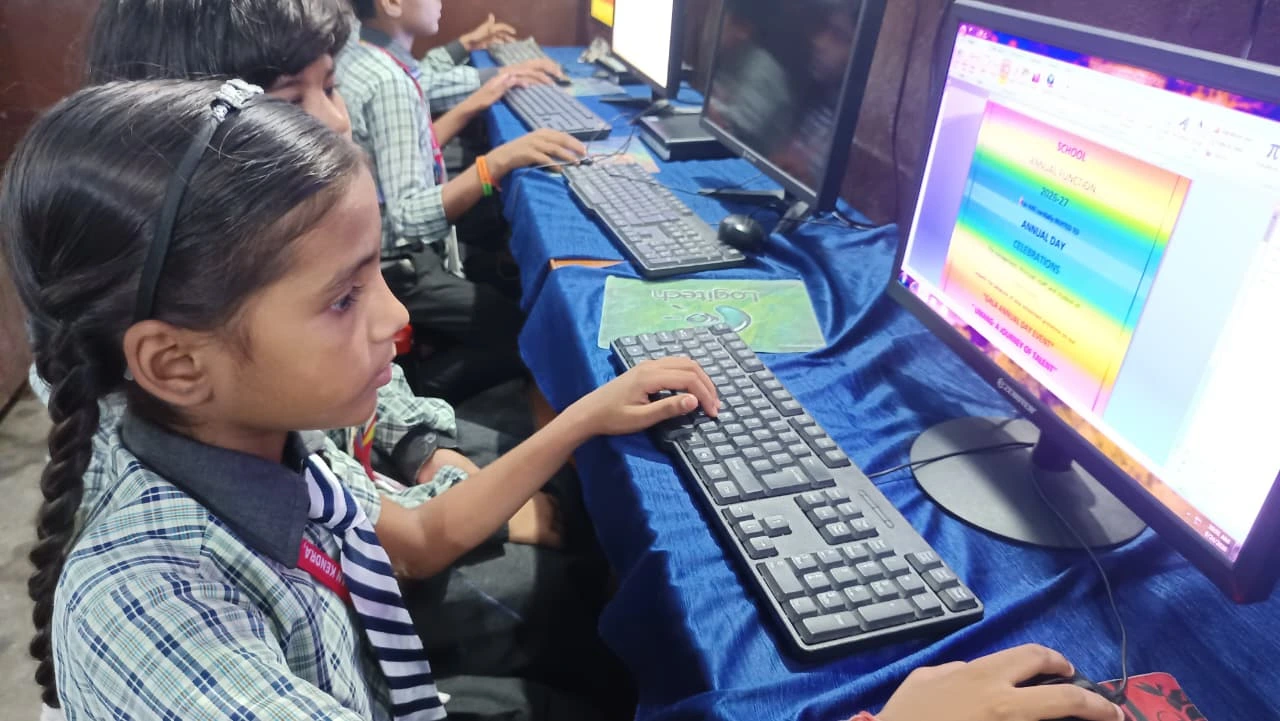
The first step is finding the right spot in your home. Your study corner should be away from the TV, kitchen noise, and high-traffic areas where family members constantly pass by. If you live in a small flat, even a corner of your bedroom or a quiet spot near a window can work.
Natural light is your best friend when setting up a study space. Position your desk near a window if possible, but make sure the sun doesn’t create glare on your screen. If natural light isn’t available, invest in a good desk lamp with warm LED bulbs that don’t strain your eyes during long study sessions.
Keep your study corner away from your sleeping area if you can. This separation helps your mind understand that this is a workspace, not a relaxation zone. Even a simple curtain or room divider can create psychological boundaries in a shared room.
Essential Furniture and Setup for Your Study Space
You don’t need expensive furniture to create an effective study corner. A simple desk, a comfortable chair, and proper storage are the three pillars of any good student desk setup. Your chair should support your back properly. Slouching leads to poor posture and reduced focus over time.
Your desk height matters more than you’d think. Your elbows should rest at a 90-degree angle when you’re sitting, and your screen should be at eye level. If your desk is too high or too low, your child will develop neck and shoulder pain that makes studying miserable.
Storage is crucial for keeping your study space clutter-free. Use shelves, drawers, or storage boxes to keep books, notebooks, and supplies organised. A cluttered desk leads to a cluttered mind, and you’ll see your child’s productivity drop immediately.
Technology That Supports Your Study Corner
A reliable computer is the backbone of any modern study corner. The Apna PC by Apni Pathshala is specifically designed for students like yours. Priced at Rs. 30,000 (excluding shipping and GST), it comes with 8GB RAM and a 128GB SSD, giving your child smooth performance for research, online classes, and project work.
What makes Apna PC perfect for your study corner is that it’s pre-loaded with Zorin OS, a student-friendly operating system that’s distraction-free and fast. It includes LibreOffice for document work, Scratch for learning coding, and Apni Prerna for monitoring study progress. You can check your child’s learning without invading their privacy.
Make sure your home study setup includes proper eye comfort settings for study sessions. Blue light filters and proper screen brightness reduce eye strain during those long homework hours. Your child will thank you when they don’t come to you complaining about headaches after studying.
Creating a Distraction-Free Environment
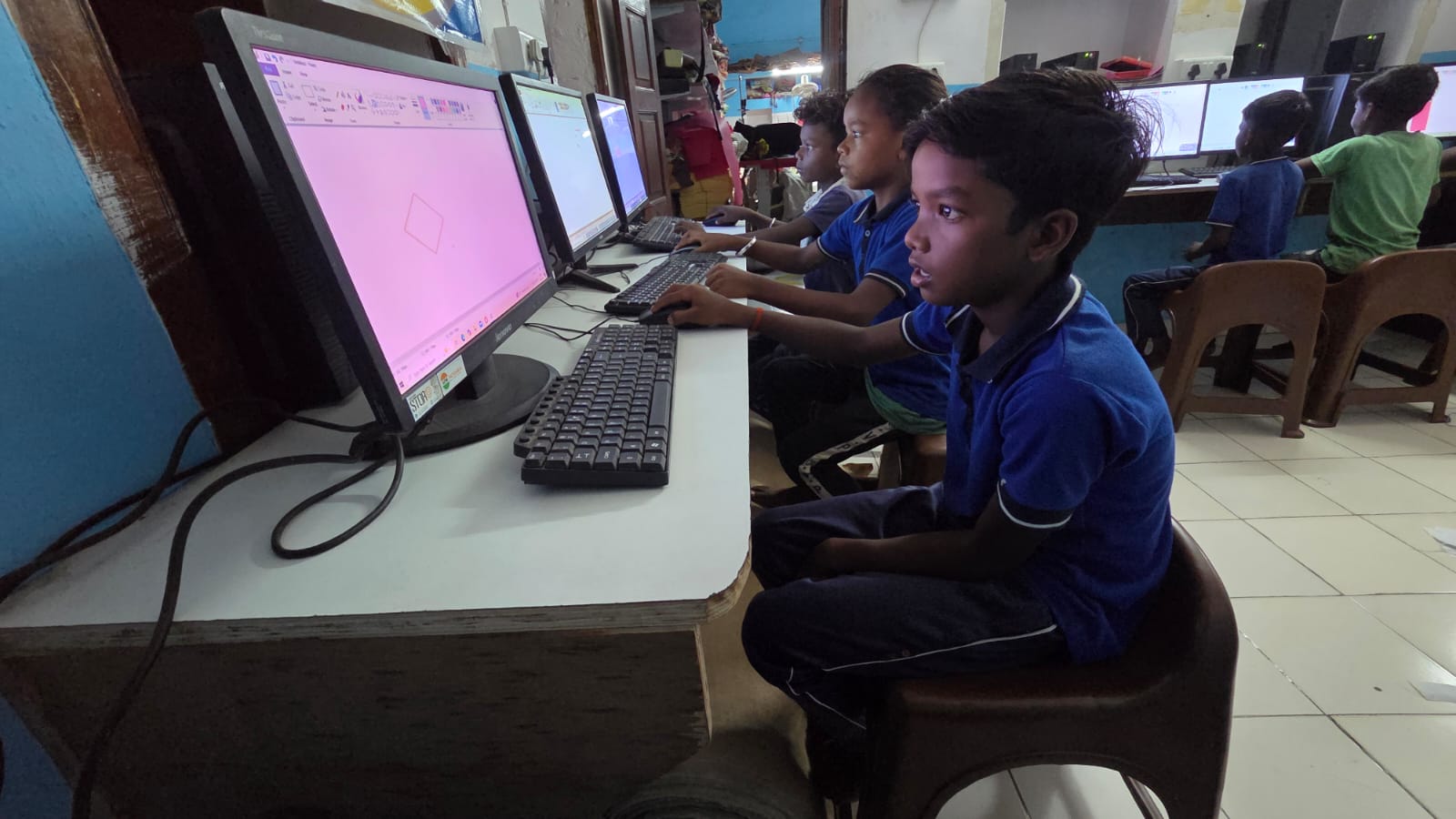
Your study corner is only as good as your ability to keep distractions away. Set clear rules with your family about quiet time during study hours. No phone calls, no loud music, no unnecessary interruptions. Your child’s focus is fragile, and it takes just one distraction to break their concentration.
Consider using a “Do Not Disturb” sign on your study corner during specific hours. This simple visual cue helps family members respect the space and understand that focused learning is happening. It also teaches your child that study time is sacred and non-negotiable.
Keep your child’s phone away from the study corner or at least out of arm’s reach. Social media notifications are designed to be addictive, and no child can resist checking their phone if it’s right there. A simple rule- phones stay outside the study area- can dramatically improve focus.
Maintaining a Healthy Study Routine
Your study corner is a tool, but consistency is what makes it work. Help your child establish a daily routine where they use this space at the same time each day. The brain adapts to routines and will automatically shift into “study mode” when your child sits down at their desk.
Take breaks seriously. The Pomodoro Technique, 25 minutes of focused study followed by a 5-minute break, works wonders for maintaining productivity. During breaks, your child should step away from the study corner completely, stretch, drink water, and rest their eyes.
Learn more about maintaining a healthy balance by reading about study routine and bedtime balance with Apna PC. A good study corner supports healthy habits, but it’s your responsibility as a parent to ensure your child isn’t studying right before bedtime, which disrupts sleep.
Budget-Friendly Tips for Your Home Study Setup
You don’t need to spend a fortune to create an excellent study corner. Start with what you have: a small table, a basic chair, and good lighting. Add storage solutions gradually as your budget allows. Many families in Tier 2 and Tier 3 cities find that simple, functional setups work better than expensive, complicated ones.
Visit your local market for affordable desk lamps, storage boxes, and organisational supplies. A Rs.500 desk lamp often works as well as a Rs.5,000 one for study purposes. Focus your budget on things that directly impact learning: a good chair, proper lighting, and reliable technology like Apna PC.
Check the Ministry of Education website for any government schemes or subsidies available for educational technology in your state. Some states offer support for purchasing computers for student use, which could help offset the cost of setting up your home study space.
Making Your Study Corner Personal and Motivating
Your study corner should reflect your child’s personality while remaining professional. A few motivational posters, their favourite colour on the wall, or plants that freshen the air can make the space feel inviting rather than institutional. When your child likes their study corner, they’re more likely to spend time there willingly.
Celebrate small wins by updating your study corner. When your child does well in an exam, add a new plant or rearrange the space slightly. This keeps the environment fresh and reminds your child that this corner is a space for growth and achievement.
Your investment in creating a proper study corner is an investment in your child’s future. A well-organised, comfortable, and technology-enabled study space removes barriers to learning and helps your child reach their full potential. With the right setup and tools like Apna PC, your child will develop study habits that serve them throughout their academic journey. Visit apnapc.com to learn more.