

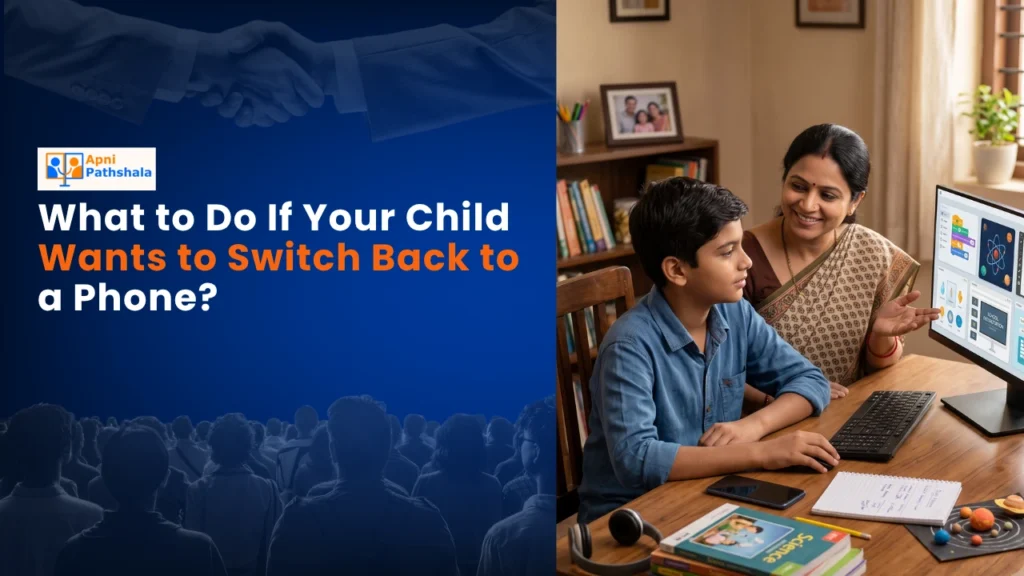
Rajesh sat at his kitchen table in Indore, watching his 12-year-old son Arjun stare at his phone screen for the third hour that afternoon. The boy’s grades had dropped from 85% to 72% in just two months. When Rajesh suggested switching to a computer for studies, Arjun refused outright: “Papa, I like my phone. Why do I need a computer?” This battle over screen time is one that thousands of parents in tier-2 and tier-3 Indian cities face today. Your child’s habits aren’t just about entertainment anymore. They’re about phone addiction, digital learning, and how you guide them toward better choices.
Why Your Child Prefers the Phone
Your child doesn’t prefer the phone because it’s better for learning. They prefer it because it’s designed to keep them hooked. Social media apps, games, and messaging apps use psychology to make users come back again and again. A phone fits in their pocket, feels personal, and gives instant gratification with every notification.
The problem isn’t the device itself. It’s that phones blur the line between learning and entertainment. Your child can study math for five minutes, then scroll Instagram for twenty minutes, all on the same screen. This fragmented attention impairs their ability to focus on complex subjects such as coding, mathematics, or language learning.
How Screen Time on Phones Differs from Computers
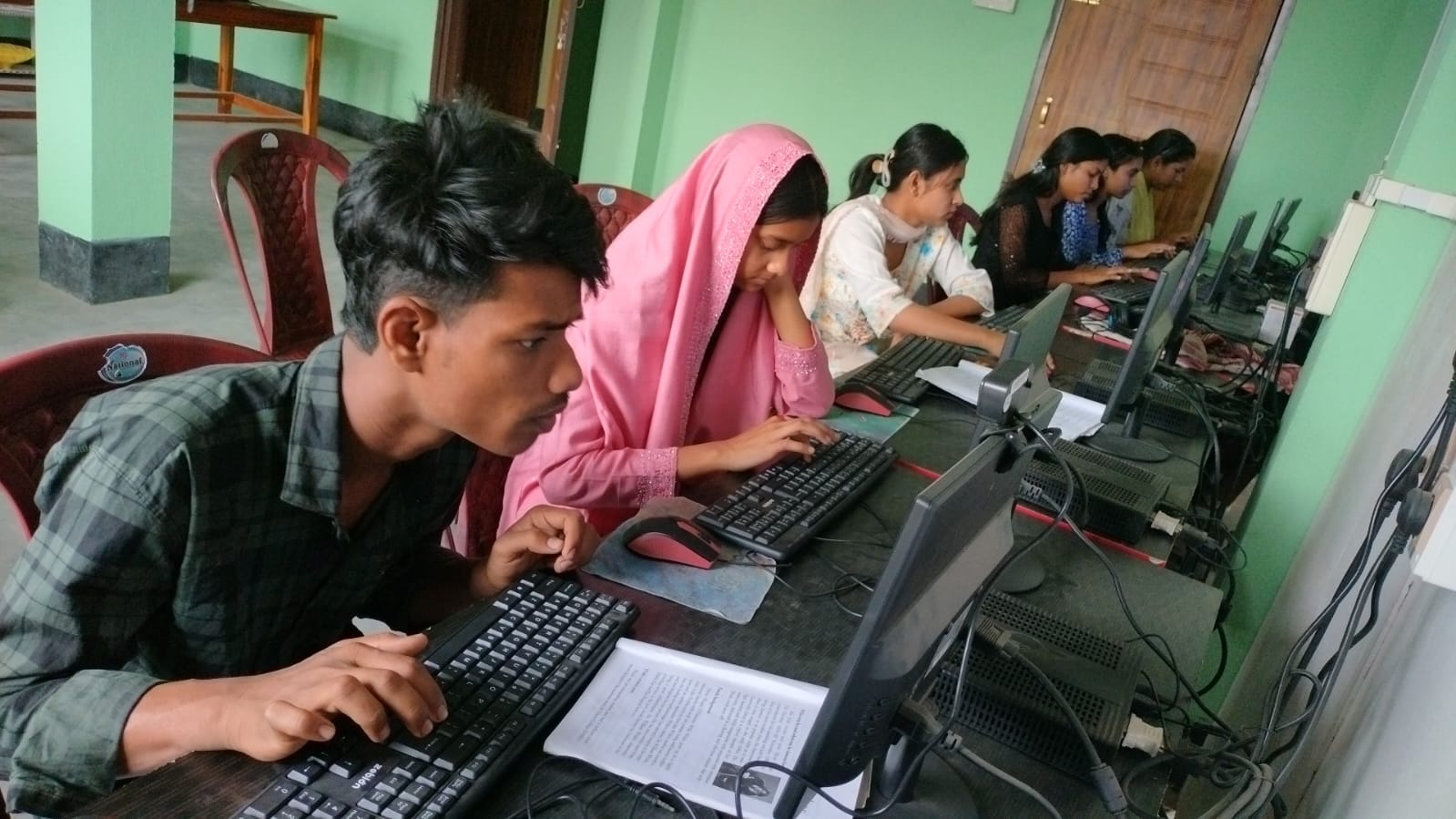
Not all screen time is equal. When your child uses a phone, they’re usually multitasking. They’re checking messages, notifications, and social feeds while trying to study. This constant switching damages their concentration and learning retention.
A dedicated computer for learning creates boundaries. It’s larger, sits in one place, and isn’t designed for social media or gaming. When your child sits down at a proper computer, their brain knows it’s time to focus. The bigger screen also reduces eye strain compared to staring at a small phone display for hours.
Research on Education in India shows that students who learn on proper computers show better retention rates than those using phones. Controlled screen time on a dedicated device builds better study habits. Your child’s brain needs the right tools to build healthy habits.
The Conversation You Need to Have
Don’t just tell your child “no phones.” Instead, explain why. Show them that recommended screen time for students includes structured learning time on appropriate devices. Tell them that phones are great for staying connected, but computers are better for becoming skilled.
Frame it as an upgrade, not a punishment. Say something like: “You’re growing up. It’s time you learned on the same tools that professionals use. Your phone will still be there for talking to friends, but learning happens on a proper computer.” Make them feel like they’re leveling up.
Ask your child what they want to learn. Do they want to code? Create videos? Build websites? A computer opens these doors in ways a phone simply can’t. When your child sees the possibilities, they’ll be more willing to make the switch.
How Screen Time Management Changes with Apna PC
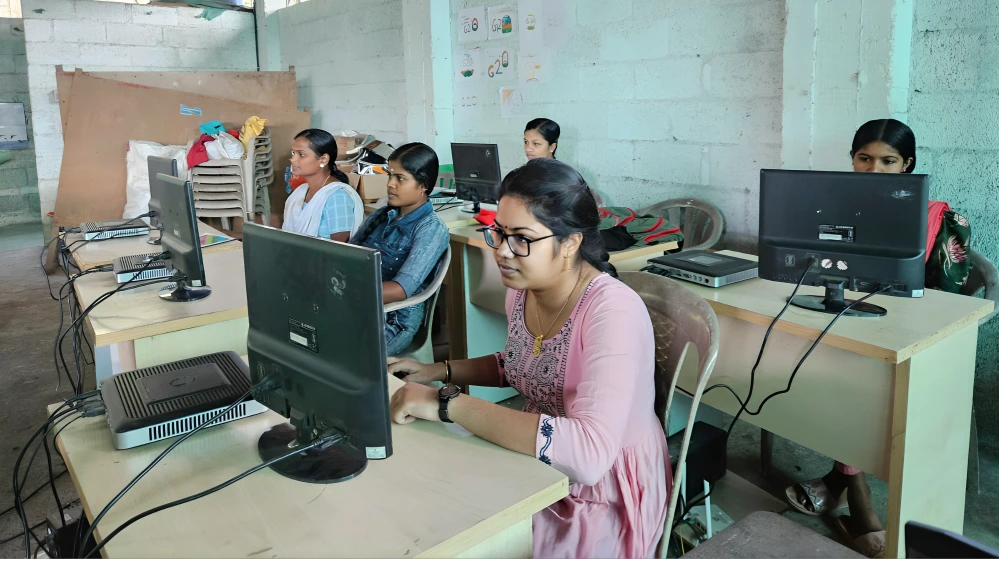
You don’t need an expensive laptop for your child. Apna PC costs just Rs. 30,000 (excluding shipping and GST) and comes preloaded with everything your child needs to learn. It runs Zorin OS, a clean operating system free from distracting apps and ads.
The device includes Apni Prerna, a student monitoring system that lets you track your child’s learning progress without being invasive. It has 8 GB of RAM and a 128GB SSD, enough for coding projects, digital design, and video editing. LibreOffice comes pre-installed for document creation, and Scratch is ready for learning the basics of programming.
Most importantly, Apna PC doesn’t have Instagram, TikTok, or gaming stores. Your child can’t waste hours on these apps because they aren’t there. This removes the temptation and helps build genuine focus habits. When your child uses Apna PC, they’re learning, not being learned upon by algorithms designed to steal their attention.
Making the Transition Smooth
Start by letting your child explore Apna PC without pressure. Show them Scratch, where they can create games and animations. Let them use LibreOffice to design posters or write stories. Good screen time habits start when the child enjoys the learning process. Make it feel like discovery, not discipline.
Set a schedule together. Maybe Apna PC is for studies and projects on weekdays, and the phone is for social time on weekends. Give your child ownership of this decision. When they feel involved, they’re more likely to stick with it.
Celebrate small wins. When your child completes their first Scratch project or finishes homework on Apna PC without getting distracted, acknowledge it. Tell them you notice the difference in their focus and grades. Positive reinforcement works better than nagging.
Remember, you’re not taking away their phone forever. You’re teaching them that different tools serve different purposes. A phone is for connection. A computer is for creation and learning. Managing screen time effectively means giving each device its proper role.
The battle Rajesh faced with Arjun isn’t about being strict. It’s about being smart with technology. By switching from phone-based learning to a proper computer like Apna PC, your child can break free from phone addiction and develop real digital skills. Visit switching from a phone to Apna PC to see how other families made this transition. Ministry of Education guidelines also support structured digital learning for Indian students. Visit apnapc.com to learn more.