


A Student’s Struggle That Changed Everything
Priya was in Class 10 in Bhopal. Her family had bought her a laptop two years ago, thinking it would help her studies. Instead, it became her biggest distraction. The machine crawled when she opened her textbooks. Pop-ups jumped across the screen during her math practice. Her younger brother had installed games that ate up storage. She’d sit down to study and spend 20 minutes just waiting for things to load. Her parents didn’t know what to do. They’d spent money on a computer, but it wasn’t helping their daughter learn. This is the story of thousands of families in Tier 2 and Tier 3 cities across India. And it’s exactly why Apna PC was built the way it is.
Every choice in the student experience at Apna PC starts with one question: what does the student actually need? Not what sounds impressive on a spec sheet. Not what a salesperson wants to sell. What does a real student in your home need to focus, learn, and grow?
Speed Without the Noise: Why Zorin OS Matters for Your Child’s Learning
When Priya’s parents finally brought home an Apna PC, the first thing she noticed was speed. No waiting. No lag. The computer did what she asked, when she asked it. This isn’t magic. It’s design.
Apna PC runs on Zorin OS, a clean, lightweight operating system built for focus. It doesn’t come loaded with bloatware, adware, or apps fighting for your child’s attention. No random notifications pop up. No hidden processes slow everything down. Your student experience improves immediately because the computer simply works faster.
Think about what happens on a typical Windows laptop in an Indian home. Your son opens it to study. Three toolbars load. Four apps try to update. A gaming launcher starts in the background. By the time he opens his textbook, five minutes have passed, and his focus is already broken. With Apna PC, he opens it, and it’s ready. That speed builds a habit. Your child stops avoiding the computer and starts reaching for it.
A Space Built for Learning, Not Distraction
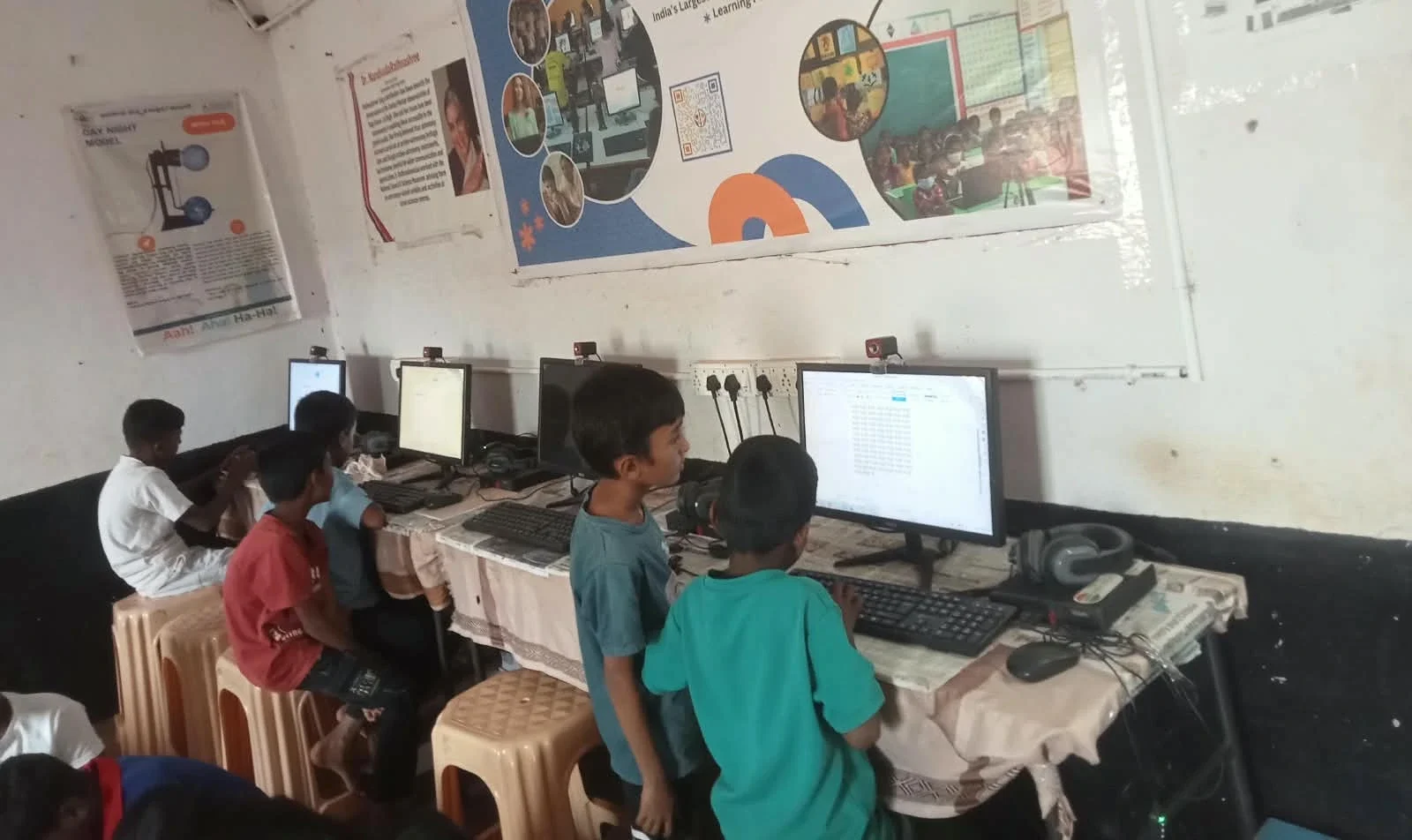
Apna PC comes with Apni Prerna, a student monitoring system your child won’t fight. It’s not spyware. It’s structure. It’s like having a supportive teacher sitting beside your daughter, gently reminding her to stay on task.
Apni Prerna helps your student:
- Stay focused on study time without random browsing
- Manage their own time and build discipline
- Learn healthy computer habits early
- Feel supported, not controlled
This is different from the student experience your child gets on a shared family laptop. There’s no temptation. There’s no guilt. There’s just a clean, purposeful space for learning. Priya told her mother that for the first time, studying on a computer felt peaceful.
Software That Teaches, Not Sells
Apna PC comes with LibreOffice for documents, spreadsheets, and presentations. No subscription. No “upgrade now” pop-ups. No monthly charges eating into your family budget.
Your student can create projects, write essays, and build presentations without you worrying about licensing costs. This is what the student experience should be. Tools that work, that last, that don’t create stress in your household. When your daughter finishes class 10 and moves to class 11, LibreOffice is still there, still free, still working exactly the same way.
Scratch is also pre-loaded, giving your child a chance to explore coding through creative projects. Not because coding is trendy, but because learning to think logically helps in every subject. It’s learning that builds confidence, not confusion.
Hardware That Doesn’t Quit on You
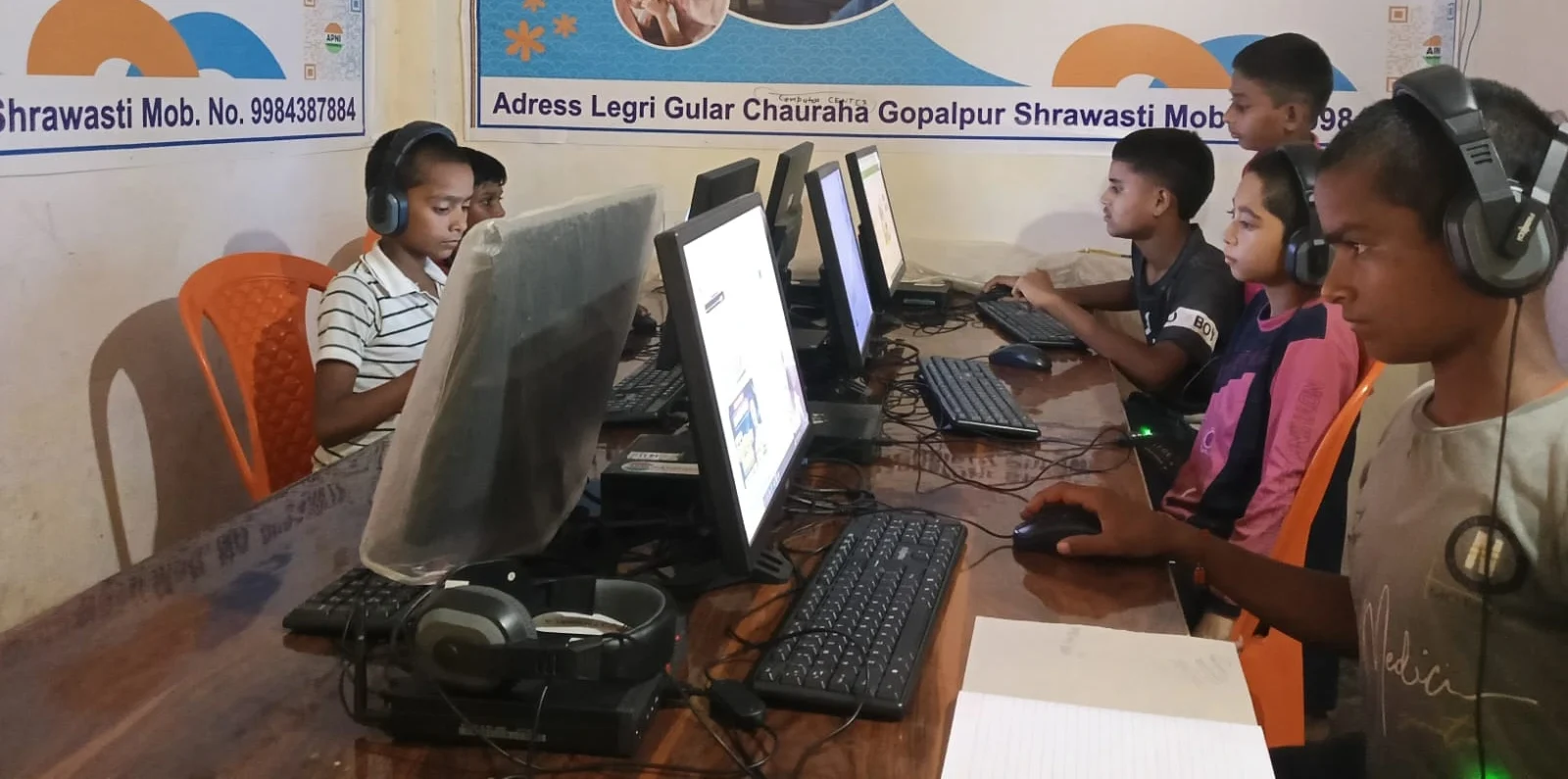
8GB RAM and 128GB SSD might not sound special if you’re reading spec sheets. But in the student experience of actual learning, they mean everything.
Your child can have 10 tabs open with research material. They can work on a presentation while watching a tutorial. They can run a coding project without the computer freezing and losing their work. There’s no lag. There’s no restart needed mid-study. The hardware is built to be reliable, not flashy.
In Tier 2 and Tier 3 cities, power cuts happen. Internet can drop. But with a solid SSD and enough storage, your student’s work is safe. Their progress is saved. They don’t lose an hour of homework because the computer crashed.
Why the Student Experience Matters More Than Specs
You can read about why students learn better on computers than phones in detail. You can research how a personal computer helps students study. But the real answer is simpler: a student’s experience matters.
When Priya sat down with her Apna PC, everything changed. She wasn’t fighting the machine. She wasn’t distracted by games or pop-ups. She wasn’t frustrated by slowness. She was just learning. Her grades improved. Her confidence grew. Her parents saw their investment actually pay off.
This is what happens when a computer is designed around the student experience, not around profit margins. When every choice is made asking “what does this student need,” not “what can we sell them.”
According to Central Board of Secondary Education guidelines, students need access to quality learning tools. And UNESCO global education research shows that focused, distraction-free learning environments significantly improve outcomes.