


When Dadi’s Recipes Almost Disappeared
Last summer, Priya’s grandmother suffered a minor stroke in their Indore home. For three days, the family held its breath. When she recovered, Priya realised something that made her chest tight: her dadi’s famous khichdi recipe, the one that had fed four generations, existed only in her grandmother’s hands and memory. No written notes. No photos. Just muscle memory and love. That’s when Priya’s father suggested they preserve those recipes in a digital recipe book.
Instead of letting those recipes fade, Priya created something beautiful with her family. She was 14, decent at computers, but had never done anything like this before. Within two weeks, using her family’s Apna PC, she’d built a digital recipe book that became the heart of a school project, a family treasure, and proof that technology can preserve what matters most.
Your family has stories like this too. Maybe your mother makes the best parathas in the neighbourhood. Maybe your grandfather’s achaar recipe is legendary at weddings. These aren’t just recipes. They’re your family’s history, your culture, your identity. A digital recipe book lets you capture them before they’re gone.
Why Your Family Needs a Digital Recipe Book Right Now
Creating a digital recipe book with your family isn’t just about writing down ingredients and instructions. It’s a project that brings your whole family together, teaches you real digital skills, and creates something you’ll treasure for decades. Your children learn technology by doing something meaningful, not by staring at screens.
Here’s what makes this special: you’re not following someone else’s recipe format from the internet. You’re building your own system, your own design, your own family archive. That’s real learning. That’s creativity meeting technology.
When you start this family project, you’re teaching your kids:
- Digital publishing skills: How to organise information, add photos, format text, and share files across devices
- Family history and culture: Why these recipes matter, where they come from, which festivals they belong to
- Collaboration: How to work with grandparents, parents, and siblings on one shared project
- Problem-solving: How to figure out what format works, how to take good food photos, how to organise recipes by season or occasion
This isn’t busywork. This is the kind of projects to create before college that colleges actually notice. It shows initiative, family values, and technical skill all at once.
How to Start Your Digital Recipe Book With Apna PC
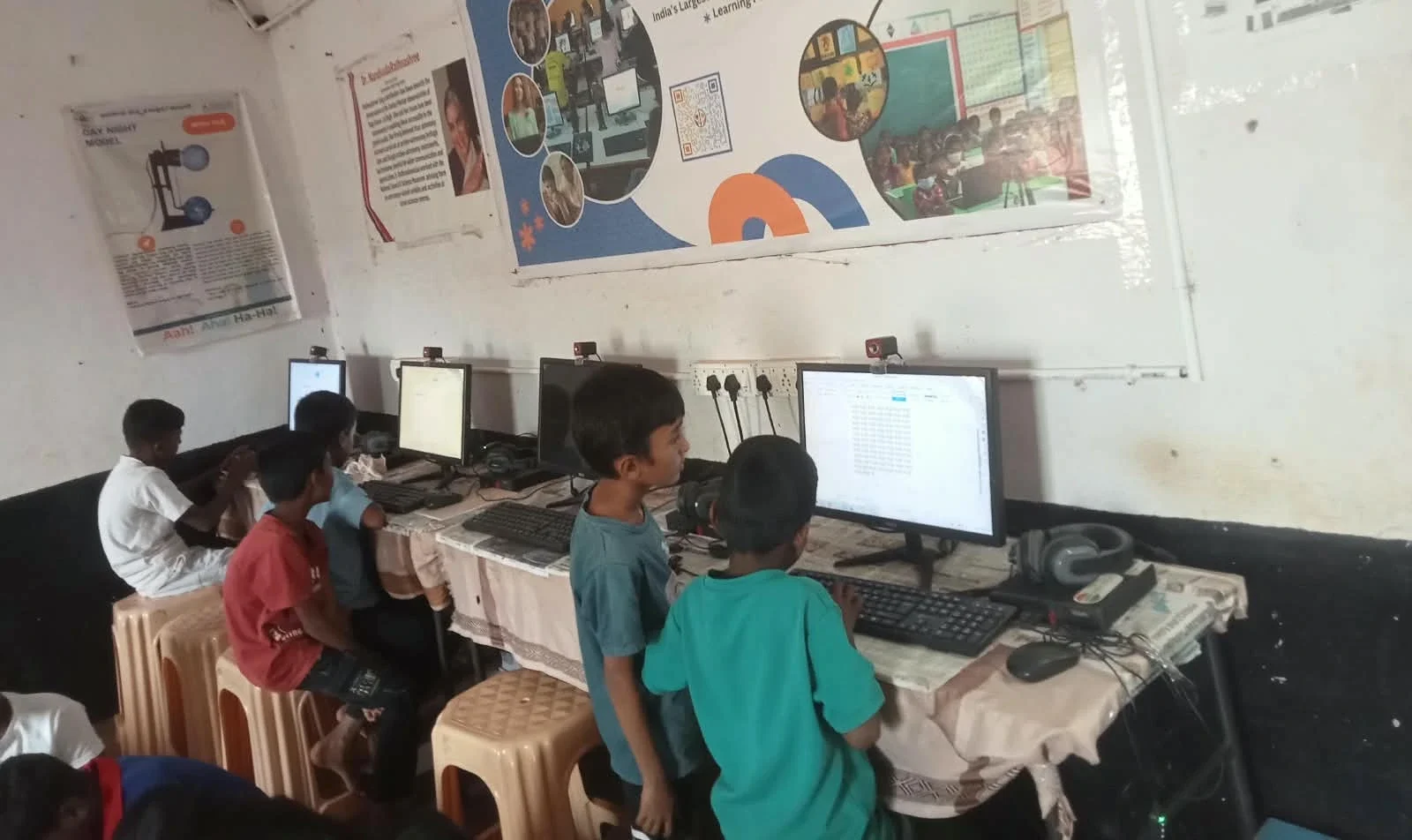
You don’t need fancy software or expensive equipment. An Apna PC with LibreOffice (pre-loaded on every unit) is absolutely enough. LibreOffice Writer lets you create beautiful documents with images, tables, and formatting. You can export everything as PDF, which works on any device forever. The DIKSHA digital learning platform also offers resources on how technology supports family-based learning projects in Indian homes.
Here’s your step-by-step plan:
- Week 1 – Interview your family: Sit down with your grandmother, mother, aunts, and uncles. Ask them about their signature dishes. Use your phone to record them talking about the recipes, why they matter, and which festivals they make them for. Write down the stories, not just the ingredients.
- Week 2 – Collect and photograph: Ask family members to cook one dish each. Take clear photos of the ingredients, the cooking process, and the final dish. Photos bring your recipe book to life. Your Apna PC has enough storage (128GB SSD) to keep hundreds of high-quality images organised.
- Week 3 – Design your format: Decide how your book will look. Will each recipe get a full page? Will you include family stories? Will you organise by meal type, season, or occasion? This is where your creativity matters most.
- Week 4 – Build and share: Type everything into LibreOffice, add your photos, and create a beautiful PDF. Share it with family members via email or WhatsApp. Better yet, print a few copies to give as gifts.
Why Apna PC Is the Best Computer for Family Projects
Your family project needs a computer that’s reliable, affordable, and actually designed for students in India. Apna PC costs just Rs. 30,000 (shipping and GST excluded) and comes pre-loaded with everything you need: Zorin OS (clean, simple, safe), LibreOffice (professional-quality document creation), and 8GB RAM with a 128GB SSD (enough space for thousands of recipe photos).
The Apni Prerna monitoring system means parents can see what their children are working on without being invasive. You’re building something real, something your family will use, something that teaches actual skills. Check out Apni Pathshala’s blog for more ideas on using your Apna PC for meaningful learning.
Beyond recipes, this same computer lets your child explore digital collaboration at home with classmates on school projects, learn coding through Scratch (pre-installed), and build a portfolio of real work they can show teachers and colleges.
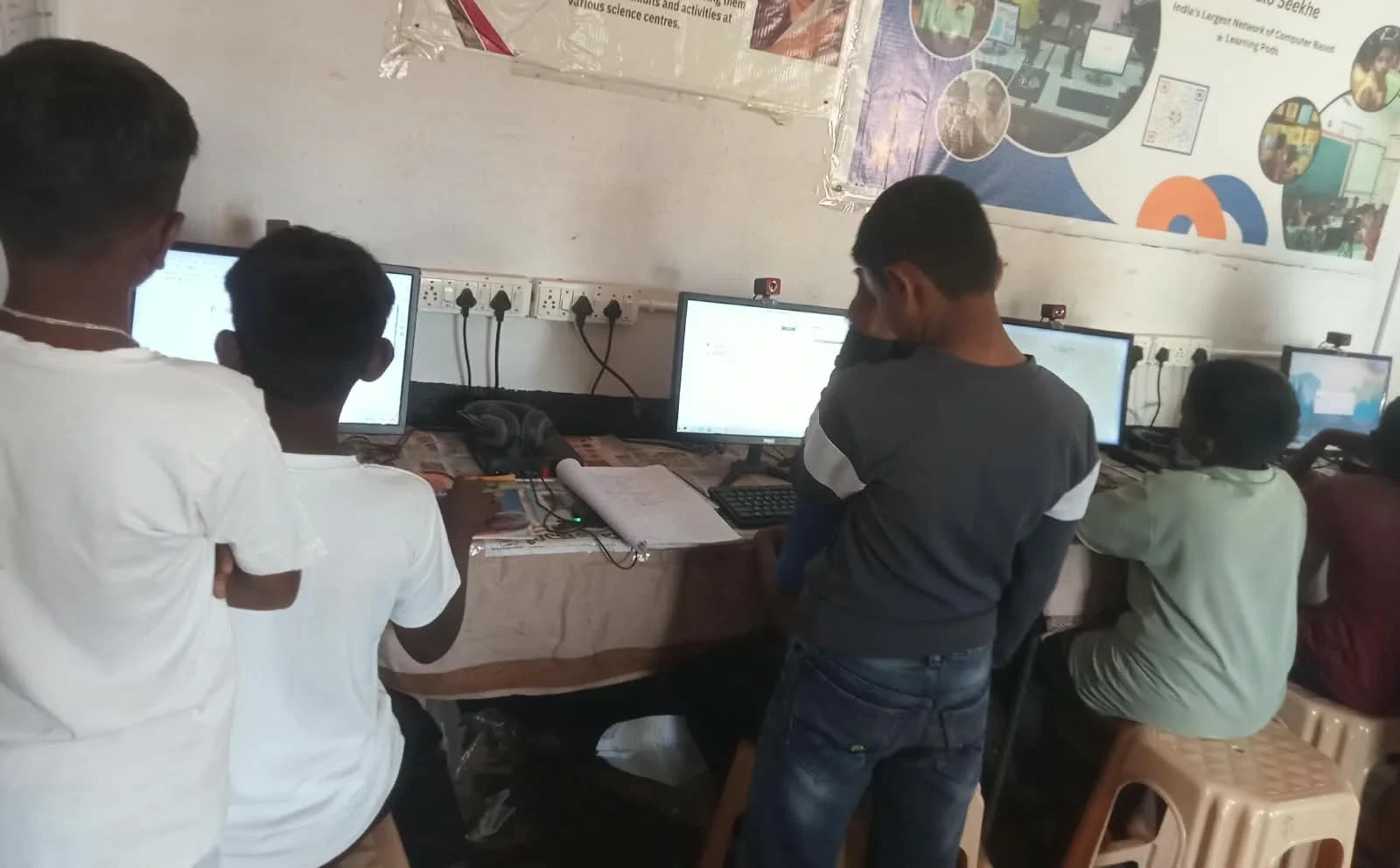
Turn This Into a School Project
Talk to your child’s teacher about turning this into a formal project. It fits perfectly with curriculum goals around technology, cultural studies, and family engagement. According to the Ministry of Education India, schools are encouraged to integrate technology with cultural learning. Your family’s recipe book does exactly that.
The Central Board of Secondary Education emphasises project-based learning that connects home, school, and community. A recipe book project hits all three.
Your child can present this to their class, explaining not just how they created it technically, but why family recipes matter. They can discuss the cultural significance of different dishes, the history behind them, and what they learned about their own family through this process. That’s the kind of project teachers remember.
What Your Family Will Have
After four weeks of work, you won’t just have a document. You’ll have your family’s stories captured digitally. You’ll have photos of your grandmother’s hands making dough, your mother’s concentration while stirring the curry, your uncle’s pride in his signature dish. You’ll have recipes that won’t disappear when someone gets older or moves away.
You’ll have something your cousins in other cities can access. Something your children’s children can read and cook from. Something that proves your family’s history isn’t just memories. It’s real, documented, and alive in digital form.
Your family’s recipes are worth preserving. Your child’s creativity is worth developing. Technology should serve both. Start your family’s digital recipe book project this month, and watch a simple idea bring everyone closer while teaching real skills. Visit apnapc.com to learn more.