


Rani’s Discovery: When a Small Town Girl Found the World’s Wildlife Online
Rani sat in her small room in Indore, staring at her old tablet with a cracked screen. She’d always dreamed of seeing tigers in their natural habitat, but her family couldn’t afford trips to national parks. Last year, her parents bought an Apna PC for her studies. That single decision changed everything. Within weeks, Rani wasn’t just learning about wildlife and nature through online learning resources. She was exploring rainforests in Brazil, watching live penguin feeds from Antarctica, and discovering India’s wildlife like never before. Her science grades jumped from 65 to 88, and she started a nature blog that her classmates actually read.
Rani’s story isn’t unique. Thousands of students in Tier 2 and Tier 3 cities across India are discovering that you don’t need expensive field trips or fancy equipment to explore nature. You just need the right digital tools and a reliable computer. Nature learning online has opened doors that were locked for generations of students like Rani.
Why Nature Learning Online Matters for Your Child’s Future
Your child’s textbook shows a picture of a lion. But what if they could watch a lion hunting in real time? What if they could understand ecosystems not through diagrams, but through interactive simulations? That’s the power of nature learning online.
Traditional classroom teaching has limits. Teachers can’t take 50 students to the Amazon. Textbooks freeze moments in time. But digital resources bring nature alive in your child’s home. They can pause, rewind, and explore at their own pace.
Here’s what makes a real difference:
- Real-time learning: Your child watches actual wildlife behaviour, not animated versions.
- Interactive exploration: They control what they learn and how fast.
- Access to global resources: Museums, research centres, and nature documentaries from around the world are just a click away.
- Better retention: Studies show that visual, interactive learning sticks with students longer than traditional methods.
The Digital India initiative has pushed technology into classrooms, but a home computer truly empowers learners. When your child has their own device, they become researchers, not just students.
Free and Affordable Wildlife Learning Platforms Your Child Can Use Today
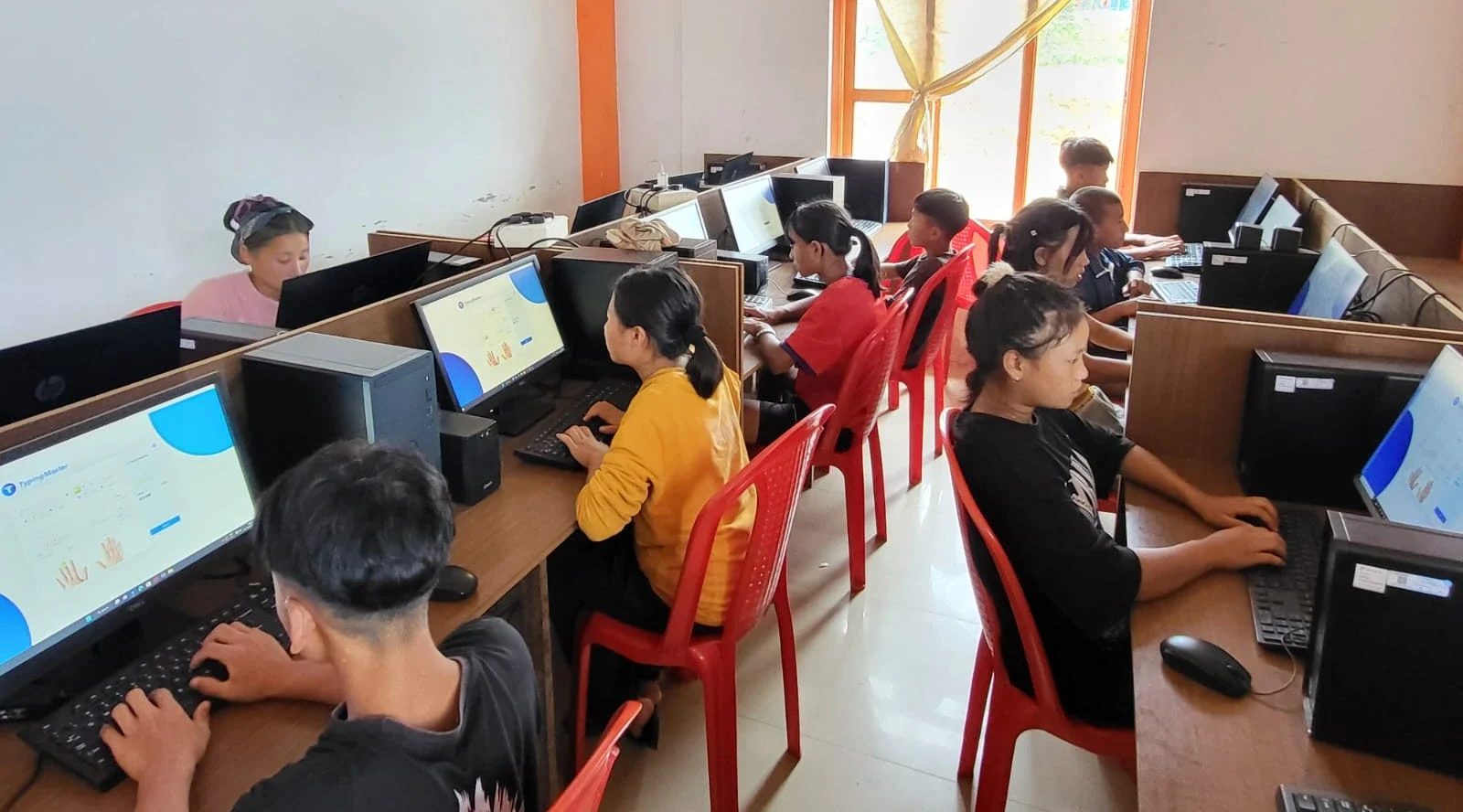
You don’t need expensive subscriptions to explore nature learning online. Many resources are completely free. Your child can start right now with what’s available.
- YouTube Channels: BBC Earth, National Geographic, and Crash Course Kids offer thousands of nature documentaries and wildlife videos. Your child can learn about animal behaviour, ecosystems, and conservation.
- Virtual Zoo Tours: Major zoos worldwide offer live streams and virtual tours. Your child can see animals in their habitats without leaving home.
- NASA and ISRO Resources: If your child’s interested in nature from a space perspective, they can even explore space missions from home.
- Google Earth: This free tool lets your child travel to any location on the planet. They can virtually hike through national parks and observe different biomes.
- iNaturalist: A citizen science platform where your child can identify plants and animals, contribute to real research, and connect with nature enthusiasts globally.
- Khan Academy: Free science courses covering ecology, biology, and environmental science with clear explanations.
The key is having a device that runs smoothly without lag. When your child’s learning, they shouldn’t be fighting with slow processors or freezing screens.
Beyond Videos: How Your Child Can Become a Nature Researcher
Online nature learning isn’t just about watching. It’s about doing. Your child can become an actual researcher from home.
With tools like Scratch (pre-loaded on Apna PC), your child can create ecosystem simulations. They can code how predators hunt, how plants grow, and how populations change. This isn’t just fun. It’s computational thinking combined with biology.
Your child can also document nature around them. They can photograph local birds, plants, and insects, then upload observations to platforms like iNaturalist. They’re contributing to real science while learning.
They can even visit famous museums online and explore natural history exhibits from institutions like the American Museum of Natural History or the Indian Museum in Kolkata.
The Computer That Makes Nature Learning Online Possible
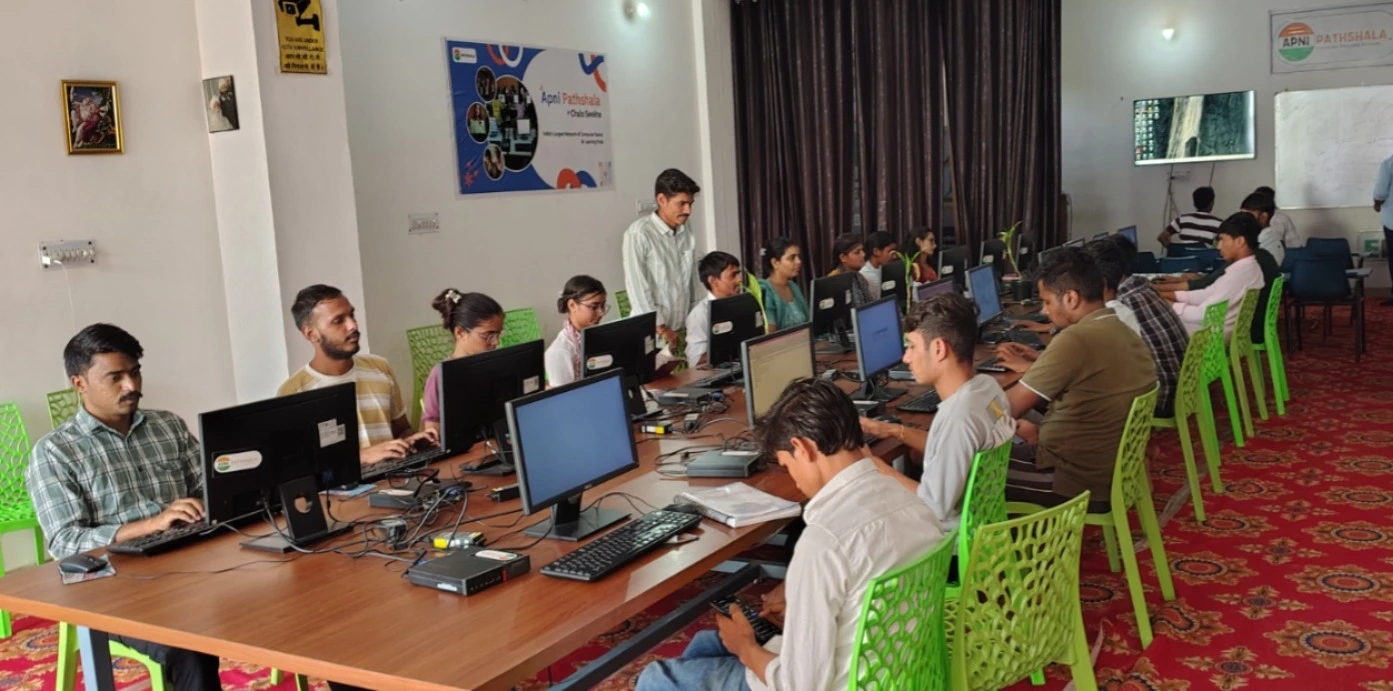
Here’s the truth: not every computer is built for learning. Some are too slow. Some overheat. Some don’t have the software your child needs.
Apna PC changes this. Built specifically for students, it comes with 8GB RAM and a 128GB SSD, so it handles multiple browser tabs, videos, and educational apps without breaking a sweat. It runs Zorin OS, a system designed for ease of use, and comes pre-loaded with LibreOffice for projects and Scratch for coding.
At just Rs.30,000 (shipping and GST excluded), it’s affordable for families in Tier 2 and Tier 3 cities. It’s not about having the fanciest computer. It’s about having a reliable one that won’t let your child down during their learning journey.
Your child can explore nature learning online for hours without worrying about crashes or slowdowns. That reliability matters when you’re building a habit of digital learning.
Start Your Child’s Nature Exploration Today
Rani didn’t need a fancy setup to change her life. She needed a computer that worked and curiosity that burned bright. Your child has that same potential.
The world’s nature is waiting to be explored through online nature learning. Your child doesn’t need to wait for a school trip or a family vacation. They can start learning today. Visit apnapc.com to learn more.